
Obesity in Men: Belly Fat, Low Testosterone, Sleep Apnea and a Weight Loss Plan That Works
By WellnessVigor · Updated October 16, 2026 · 11 min read
This article contains affiliate links. If you buy through them, we may earn a small commission at no extra cost to you. Learn more.
Nearly 4 in 10 American men have obesity. For many, it creeps up slowly: a few pounds a year from a desk job, takeout, beer, poor sleep and less time for sports. By their 40s, many men are carrying 40, 60 or 80 extra pounds, most of it around the belly.
Obesity affects men in specific ways. It is closely linked to low testosterone, erectile problems, sleep apnea and early heart disease. The upside is that these problems often improve, sometimes dramatically, with weight loss. This guide explains what is going on and gives you a realistic plan to start.
Quick answer
Men with obesity tend to store fat deep in the belly (visceral fat), which raises the risk of diabetes, heart disease and sleep apnea. Obesity lowers testosterone, and low testosterone makes it easier to gain fat, creating a vicious cycle. Losing weight raises testosterone and, in one trial, restored normal erections in about a third of men with obesity. A plan of roughly 1,500 to 1,800 calories a day, high protein, strength training and better sleep is a strong starting point.
Table of Contents
ToggleHow common is obesity in men?
According to CDC data from 2021 to 2023, 39.2% of US men have obesity and 6.7% have severe obesity. Rates peak in middle age: among all adults, obesity is most common between 40 and 59. Men also tend to visit doctors less often than women, so weight-related problems such as high blood pressure, prediabetes and sleep apnea often go undiagnosed for years.
Why men gain belly fat
Men and women store fat differently. Women more often store fat under the skin on the hips and thighs. Men are more likely to store it deep inside the abdomen, around the liver, intestines and other organs. This visceral fat is metabolically active: it releases fatty acids and inflammatory substances that raise blood sugar, blood pressure and cholesterol.
That is why a man can look “only a bit heavy” yet have serious risk. A waist of more than 40 inches signals higher risk, regardless of BMI. Learn more in what visceral fat is and how to lose it.
Obesity and low testosterone: a two-way street
Excess body fat contains an enzyme called aromatase that converts testosterone into estrogen. Obesity also disrupts the brain signals that tell the testes to make testosterone. The result is that many men with obesity have low testosterone, which brings tiredness, low sex drive, low mood and loss of muscle. Less muscle and lower energy then make it easier to gain more fat.
The good news: a review of 24 studies found that weight loss significantly raised testosterone levels. The more weight men lost, the bigger the rise, and the largest improvements were seen after bariatric surgery. Before considering testosterone therapy, it is worth asking your doctor whether weight loss could fix the problem at its source. See also foods that support healthy testosterone.
Want a done-for-you plan? 35 Days to a Leaner You combines a 35-day low-carb meal plan with simple home workouts, so you know exactly what to eat and how to move each day.
Burn calories at home, rain or shine
A magnetic exercise bike is quiet enough for early mornings and small apartments. One purchase, years of workouts for the whole household.

Obesity and erectile dysfunction
Erectile problems are often an early warning sign of blood vessel damage, the same damage that leads to heart disease. Obesity, high blood pressure and diabetes all contribute.
In a randomized trial of 110 men with obesity and erectile dysfunction, men who followed a two-year program to lose weight and increase activity were far more likely to regain normal erectile function: about one in three in the lifestyle group, compared with about 1 in 20 in the control group. If you have erectile problems, see your doctor: it is a reason to check your heart, blood sugar and blood pressure, not just a reason to ask for a pill.
Sleep apnea: the hidden problem
Obstructive sleep apnea, where the airway repeatedly collapses during sleep, is much more common in men and strongly linked to weight, especially fat around the neck and belly. Signs include loud snoring, gasping at night, morning headaches and heavy daytime sleepiness. Untreated sleep apnea raises the risk of high blood pressure, heart attack, stroke and car accidents.
Weight loss can significantly reduce sleep apnea. In late 2024 the FDA approved tirzepatide (Zepbound) for moderate to severe sleep apnea in adults with obesity, after trials showed it cut breathing interruptions by about 20 to 24 more events per hour than placebo. Read will losing weight stop snoring and sleep apnea?
Heart disease and diabetes risk
Men tend to develop heart disease about 10 years earlier than women, and obesity speeds that up. It is also a leading driver of type 2 diabetes. The encouraging finding from large studies is that you do not need to reach a “perfect” weight. Losing 5% to 10% of body weight improves blood sugar, blood pressure and cholesterol. For a 260 lb man, that is 13 to 26 lb. See obesity and type 2 diabetes.
A weight loss plan for men with obesity
US obesity guidelines suggest that most men lose weight on about 1,500 to 1,800 calories a day, or with a daily deficit of about 500 to 750 calories. Use our TDEE calculator to personalize your numbers. Then focus on five habits:
- Protein at every meal. Aim for about 1.2 to 1.6 g per kg of your goal weight. It keeps you full and protects muscle. See how much protein you need.
- Strength training two to three times a week. Squats, pushups, rows and carries maintain muscle and help testosterone.
- Walk daily. Build up to 7,000 to 10,000 steps. If your knees hurt, use a bike or pool.
- Cut liquid calories. A 12 oz regular beer has about 150 calories; a large soda can top 300. Swapping to water, sparkling water or light beer on fewer nights saves a lot.
- Sleep 7 to 9 hours and get checked for sleep apnea if you snore loudly.
A sample 1,800-calorie day for men
| Meal | Example | Protein |
|---|---|---|
| Breakfast | 3-egg omelet with spinach and peppers, 1 slice whole-grain toast, coffee | about 25 g |
| Lunch | Grilled chicken burrito bowl: 5 oz chicken, black beans, rice, salsa, lettuce | about 45 g |
| Snack | Protein shake or Greek yogurt with berries | about 25–30 g |
| Dinner | 6 oz salmon or lean steak, large salad, roasted potatoes | about 40 g |
| Total | About 1,800 calories | about 135–140 g |
Adjust portions to your calorie target. For more ideas, see our obesity diet plan.
When to consider medication or surgery
If you have a BMI of 30 or more, or 27 or more with a weight-related condition, you may qualify for GLP-1 medications such as semaglutide or tirzepatide. Surgery is an option for a BMI of 35 or more, or 30 to 34.9 with metabolic disease. These treatments work best alongside the habits above. Read our GLP-1 guide and surgery vs GLP-1 comparison.
Tools that help men lose weight at home
These are common, inexpensive options that some people find helpful. We have not personally tested these products. Links go to Amazon so you can check current prices and reviews.
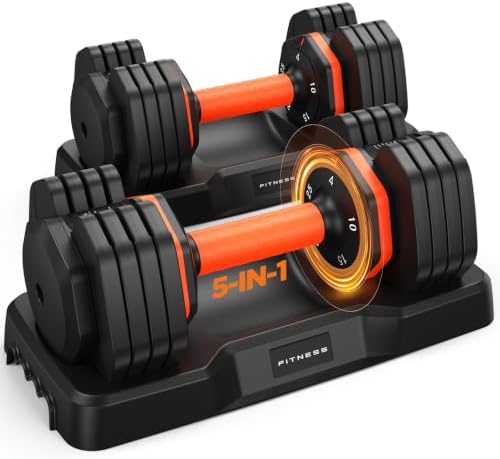
BEST FOR STRENGTH TRAINING AT HOME
FDB2 5-in-1 Adjustable Dumbbell Set
Several weights in one compact set for squats, rows, presses and carries, so you can train at home without a gym.
Pros
- Saves space
- Adjustable weight
- Good value
Cons
- Weight changes take a moment
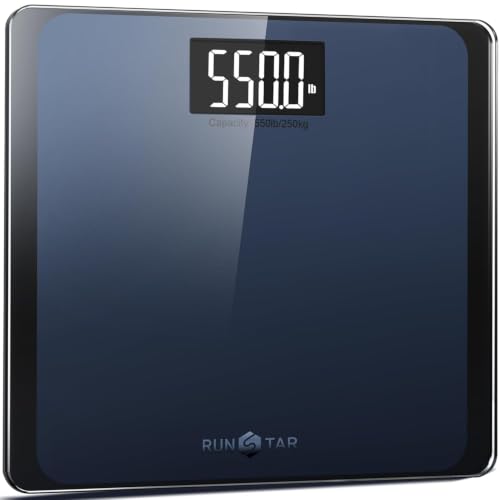
BEST SCALE FOR BIG GUYS
RunStar 550 lb Bathroom Scale
A wide platform and high capacity give accurate readings for larger men.
Pros
- 550 lb capacity
- Wide platform
- Clear display
Cons
- Weight only
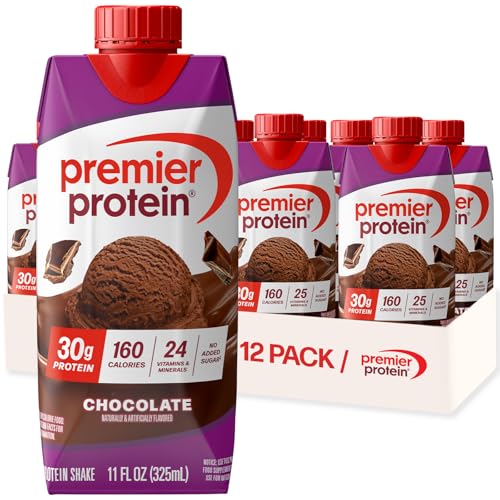
BEST QUICK PROTEIN
Premier Protein 30g Shake
A ready-to-drink shake with 30 g of protein, handy as a breakfast or snack to hit your protein target.
Pros
- 30 g protein
- No prep
- Good taste
Cons
- Contains sweeteners
BEST FOR HEART HEALTH TRACKING
Omron Bronze Blood Pressure Monitor
Track your blood pressure at home and watch it improve as you lose weight.
Pros
- Trusted brand
- Simple to use
- Upper-arm accuracy
Cons
- Check cuff size for larger arms

Keep reading
Frequently asked questions
What waist size is too big for a man?
A waist over 40 inches is linked to higher risk of diabetes and heart disease. A waist under half your height is a good target.
Does losing weight increase testosterone?
Yes. Studies show testosterone rises with weight loss, and the more weight lost, the bigger the increase.
Can losing weight fix erectile dysfunction?
For many men it helps. In one trial, about a third of men with obesity regained normal erections after two years of weight loss and exercise.
How many calories should an obese man eat to lose weight?
Many men lose weight on about 1,500 to 1,800 calories a day, but needs vary with size and activity. A deficit of 500 to 750 calories a day is a common target.
Is it harder for men or women to lose weight?
Men often lose weight a little faster at first because they have more muscle and higher calorie needs, but long-term success depends on habits, not sex.
Sources
- CDC National Center for Health Statistics. Obesity and severe obesity prevalence in adults: United States, August 2021–August 2023. NCHS Data Brief No. 508.
- Corona G, et al. Body weight loss reverts obesity-associated hypogonadotropic hypogonadism: a systematic review and meta-analysis. Eur J Endocrinol. 2013.
- Esposito K, et al. Effect of lifestyle changes on erectile dysfunction in obese men: a randomized controlled trial. JAMA. 2004.
- Malhotra A, et al. Tirzepatide for the treatment of obstructive sleep apnea and obesity. N Engl J Med. 2024.
- Jensen MD, et al. 2013 AHA/ACC/TOS guideline for the management of overweight and obesity in adults. Circulation. 2014.
- Neeland IJ, et al. Visceral and ectopic fat, atherosclerosis, and cardiometabolic disease: a position statement. Lancet Diabetes Endocrinol. 2019.
This article is for general information only and is not medical advice. See our Medical Disclaimer.