
The Supplement Vault: Science-Backed Vitality Boosters
With thousands of options on the market, finding supplements that actually deliver results can feel overwhelming. True vitality isn’t about taking everything—it’s about choosing pure, effective nutrients that match your body’s specific demands.
In The Supplement Vault, we’ve filtered out the noise to bring you only essential, high-quality supplements backed by research. Whether you’re filling dietary gaps, accelerating athletic recovery, or protecting cellular health as you age, targeted supplementation provides the foundation your body needs to thrive.
Below, explore our curated list by category, along with our essential guides on supplement synergy and timing.
This post contains affiliate links. As an Amazon Associate, I earn from qualifying purchases.
Daily Foundations & Immunity
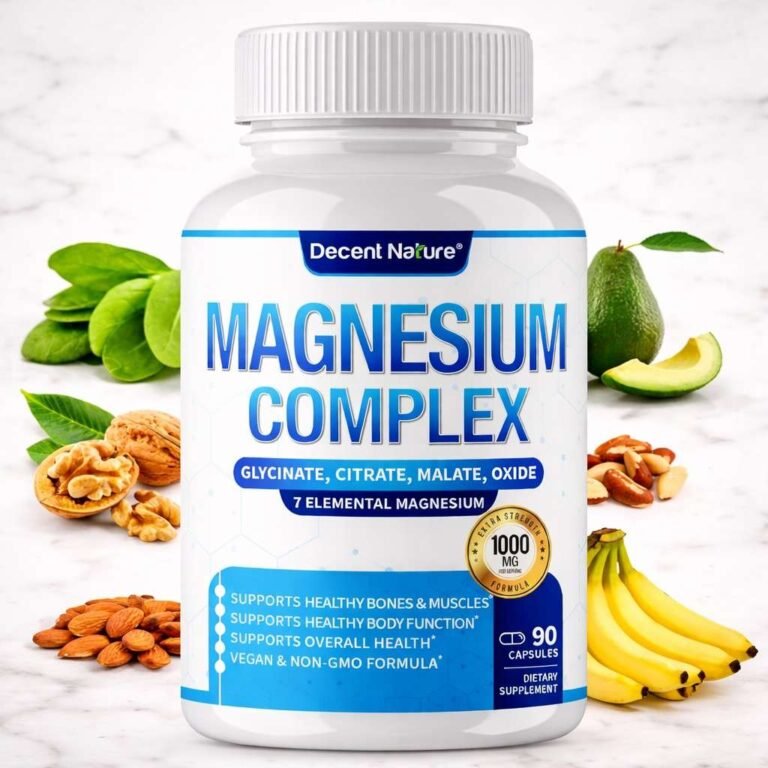
Magnesium
Supports muscle relaxation, nerve signaling, and deep recovery sleep.
Read more
An eye twitch is often the first warning sign of low magnesium. This mineral is essential for over 300 biochemical reactions, specifically regulating nerve transmission and muscle relaxation. Without it, your nervous system remains overactive, causing involuntary twitches and physical tension. Supplementing helps stabilize these electrical impulses to keep your body calm.
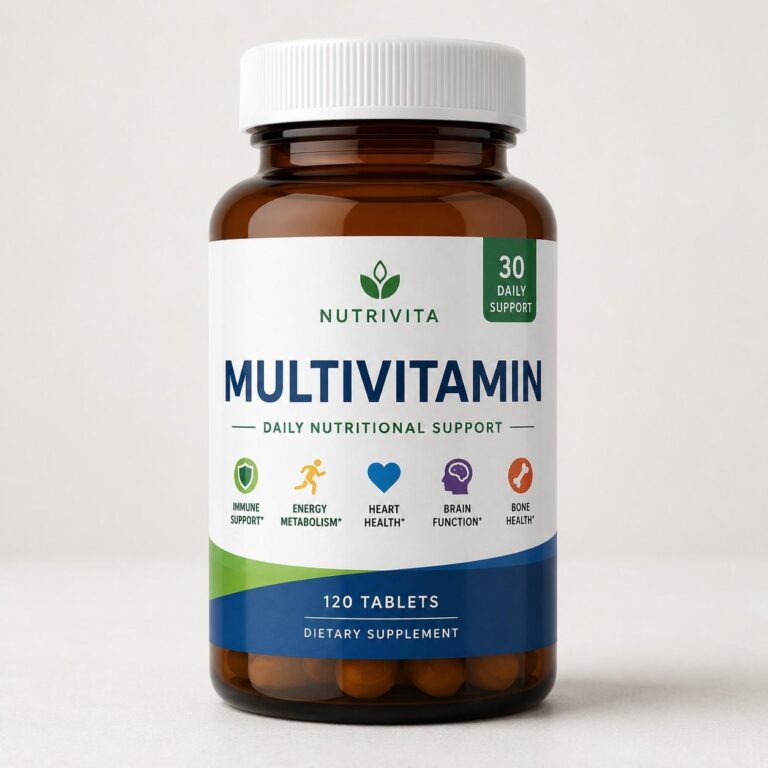
Multivitamin
Comprehensive micro-nutrient insurance to cover daily nutritional gaps.
Read more
Looking to simplify your daily supplement routine? This premium, non-GMO multivitamin replaces up to five different bottles in your cabinet. Crafted from real fruits and vegetables, it combines standard daily micronutrients with targeted wellness complexes like Methylated B-vitamins for clean energy, probiotics and digestive enzymes for smooth absorption, and antioxidant powerhouses like CoQ10, Turmeric, and plant-based Omegas. It’s the ultimate clean-label baseline for optimal daily health.
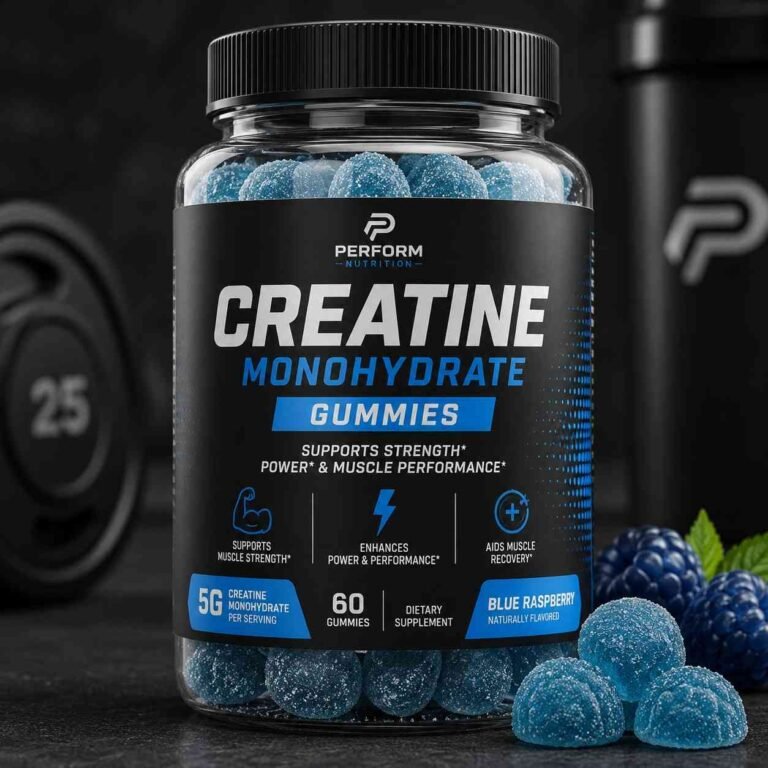
Creatine Monohydrate
Gold-standard supplement for muscle strength, high-intensity performance, and cognitive energy.
Read more
Creatine monohydrate is a highly researched supplement that boosts the body’s phosphocreatine stores, helping your cells produce more ATP for energy. Its primary benefits include accelerating muscle growth, significantly increasing strength and high-intensity exercise performance, supporting brain function, and accelerating recovery times
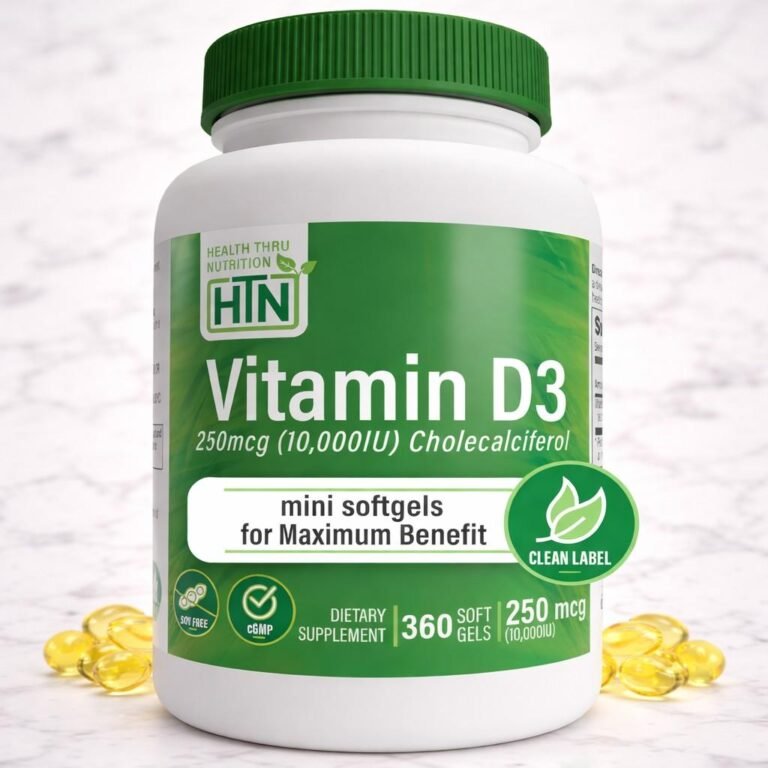
Vitamin D
Essential for bone density, hormone synthesis, and immune defense.
Read more
A sudden dip in mood or “winter blues” is often the first indicator of low Vitamin D. It functions like a hormone to regulate serotonin, the brain’s feel-good chemical. Without sufficient sunlight or supplementation, your mood-regulating receptors struggle to fire correctly, leading to unexplained sadness. Adequate levels are essential for emotional resilience and hormonal balance.
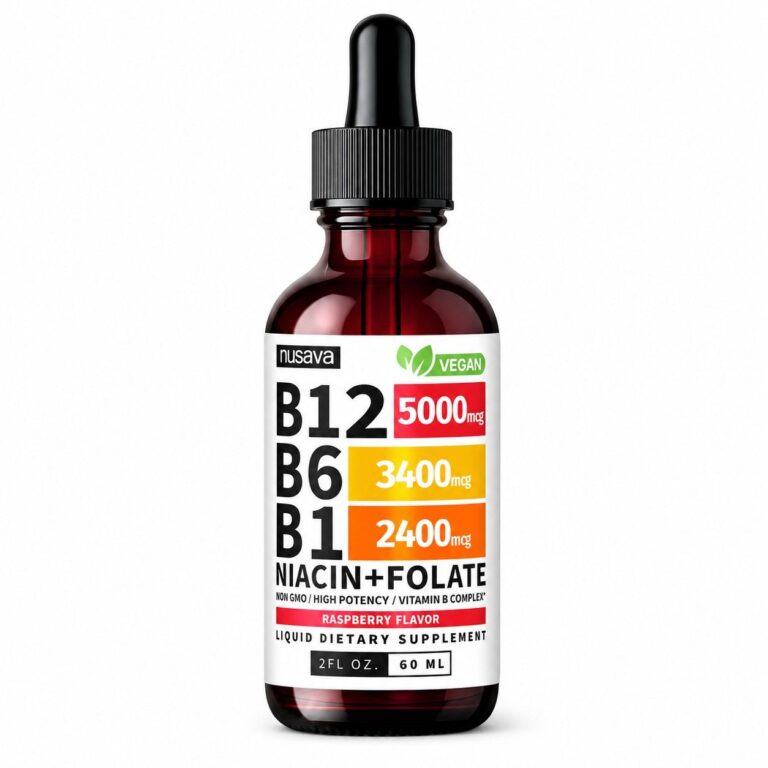
Vitamin B complex
High-potency B vitamins to convert food into steady cellular energy.
Read more
Vitamin B12 Liquid Drops 5000mcg deliver a high-potency blend of Methylcobalamin (Vitamin B12), Vitamin B6, and a complete Vitamin B Complex in a fast-absorbing sublingual formula. Designed for both women and men, this vegan, non-GMO supplement helps support daily energy, brain function, nervous system health, and overall wellness. Featuring a refreshing Crimson Orange flavor, each 2 fl oz bottle provides 80 servings for convenient daily use.
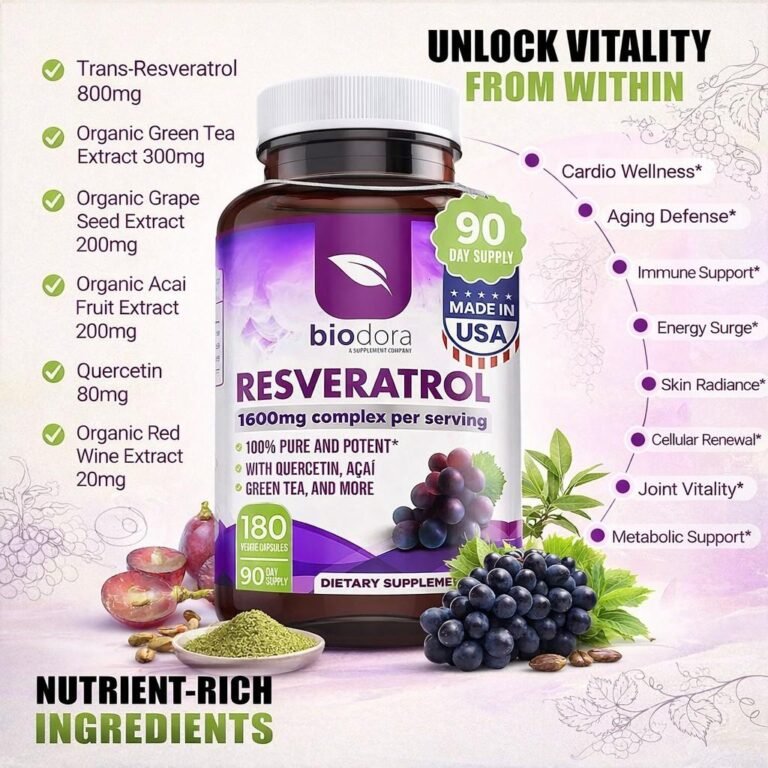
Anti aging
Targeted antioxidants designed to combat oxidative stress and promote healthy cellular lifespan.
Read more
Best Anti Aging Supplement on Amazon! Easy-to-swallow capsules make it simple to add powerful antioxidant support to your everyday routine. Rich in antioxidants and polyphenols, it helps protect cells from oxidative stress while supporting heart health, immune function, healthy aging, brain function, and overall vitality.
Digestion, Joint & Heart Health
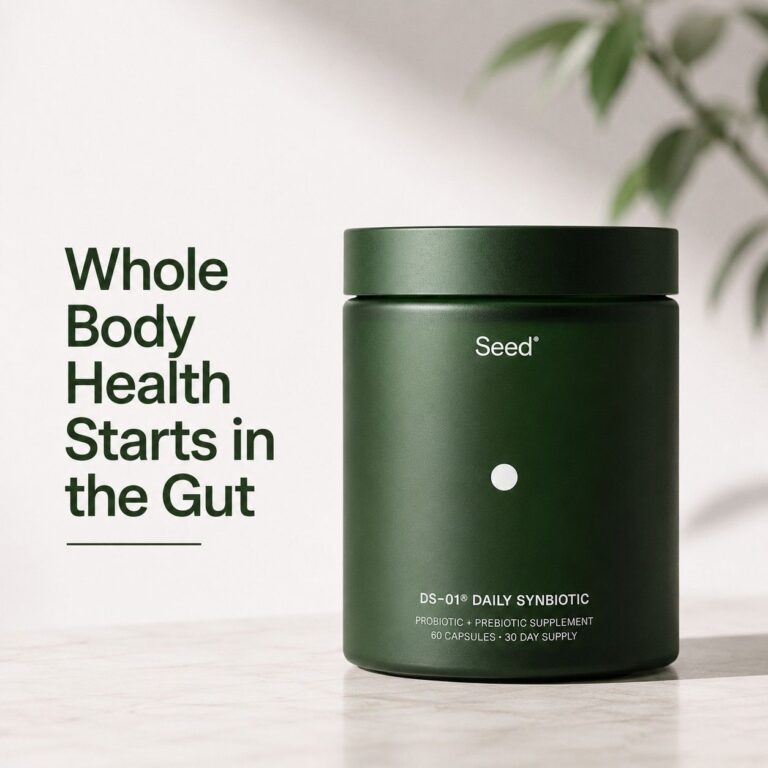
Combines probiotics and prebiotics
Dual-action formula to nourish good gut bacteria and improve nutrient absorption.
Read more
Seed DS-01 Daily Synbiotic is a premium daily synbiotic supplement that combines probiotics and prebiotics to support digestive and gut health for both women and men. Formulated with clinically studied probiotic strains, it helps maintain a balanced gut microbiome, supports healthy digestion, promotes regular bowel movements, and may reduce occasional bloating and constipation. This vegan, shelf-stable formula also supports immune health, making it an easy and convenient addition to your daily wellness routine without the need for refrigeration.
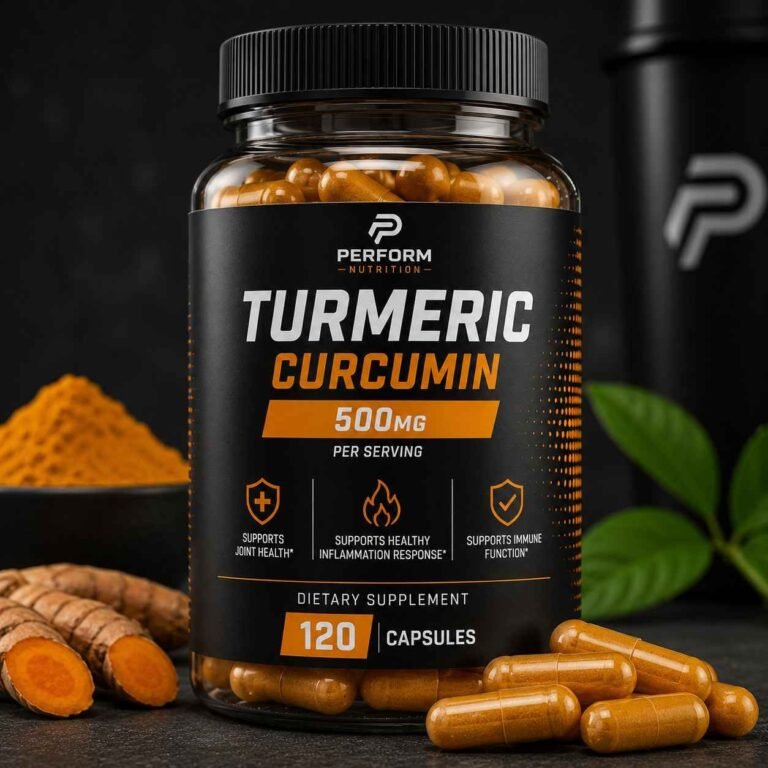
Turmeric Curcumin
Potent botanical extract to ease joint stiffness and reduce systemic inflammation.
Read more
It is a powerhouse when it comes to fighting inflammation and oxidative stress, making it a popular natural remedy for easing joint pain and stiffness in people with arthritis. It supports brain function by boosting a growth hormone called BDNF , which helps brain cells form new connections. It also helps lower cardiovascular risks by improving the function of the endothelium— It support healthy blood flow and lower cardiovascular risk.
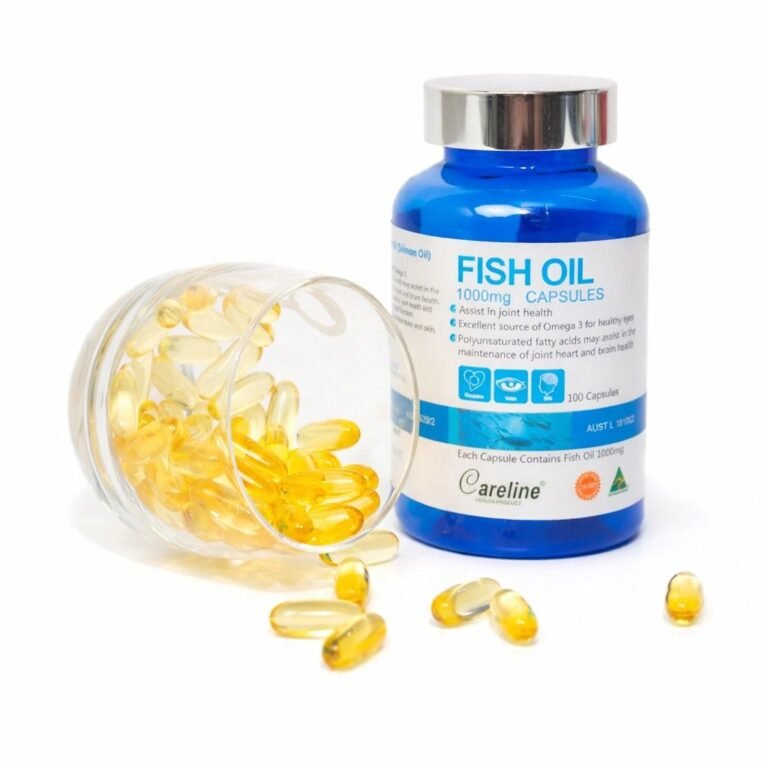
Omega-3
High-potency EPA/DHA for cardiovascular protection, brain health, and joint mobility.
Read more
Brain fog and poor focus are the first cries for help from an Omega-3 deficient brain. Your brain relies on these healthy fats to build cell membranes and facilitate fast communication between neurons. A deficiency slows down your cognitive processing, making mental tasks feel sluggish. Regular intake supports memory, focus, and overall brain longevity.
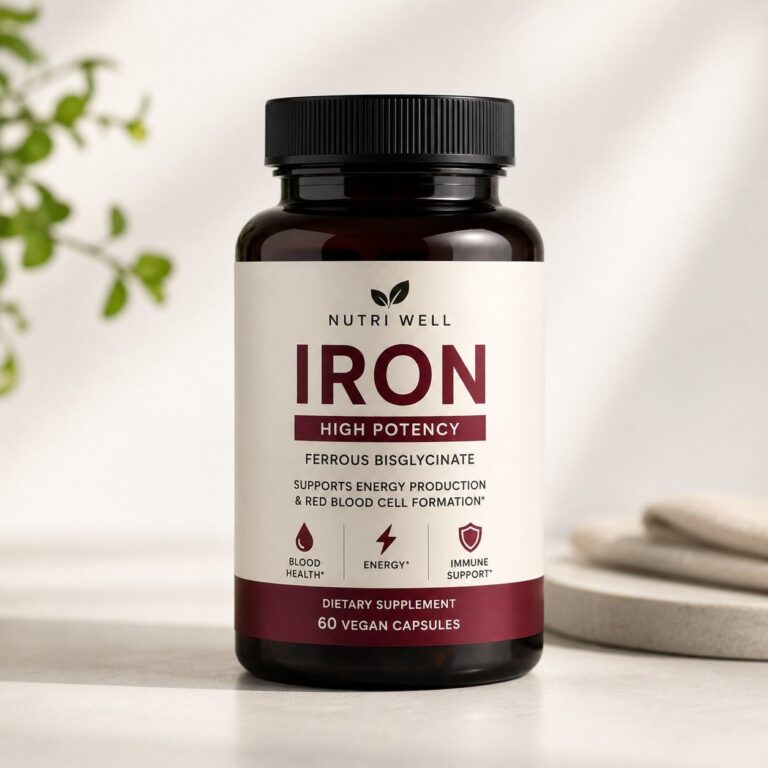
Iron (The Oxygen Porter)
Supports hemoglobin formation to deliver oxygen throughout your body and fight fatigue.
Read more
The true first sign of iron deficiency is persistent fatigue even after a full night’s sleep. Iron is the primary component of hemoglobin, which carries oxygen to every cell in your body. When levels are low, oxygen delivery is restricted, leaving you exhausted despite resting. Maintaining healthy iron levels ensures your cells stay oxygenated and your energy remains consistent.
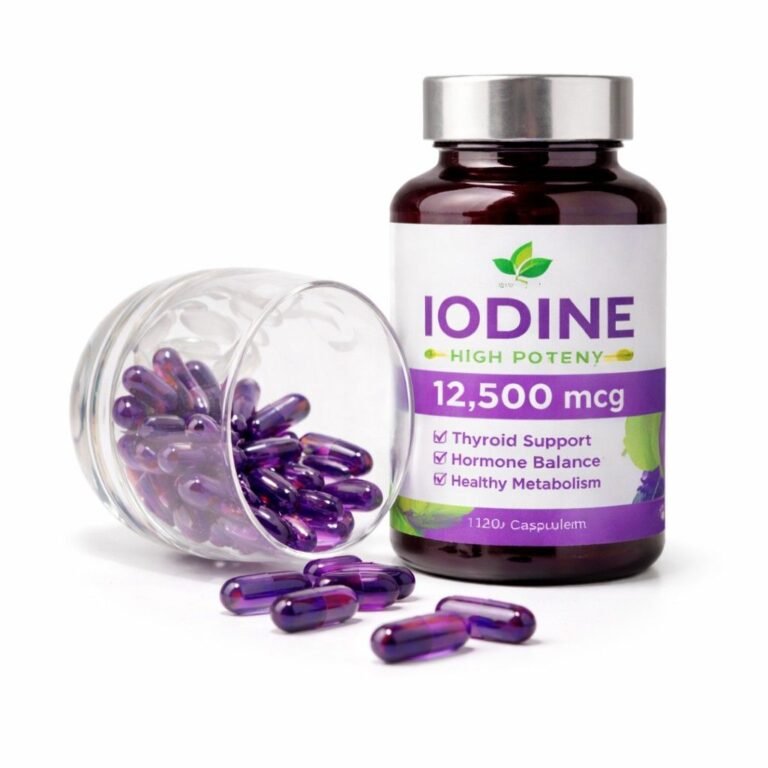
Iodine
Crucial element for thyroid health and metabolic regulation.
Read more
Feeling cold all the time is a frequent sign that your iodine levels—and your metabolism—are lagging. Iodine is the fundamental building block for thyroid hormones, which act as your body’s internal thermostat. When iodine is scarce, your thyroid cannot produce enough energy to keep you warm. Supplementing ensures your internal engine stays efficient and your energy levels stay high.
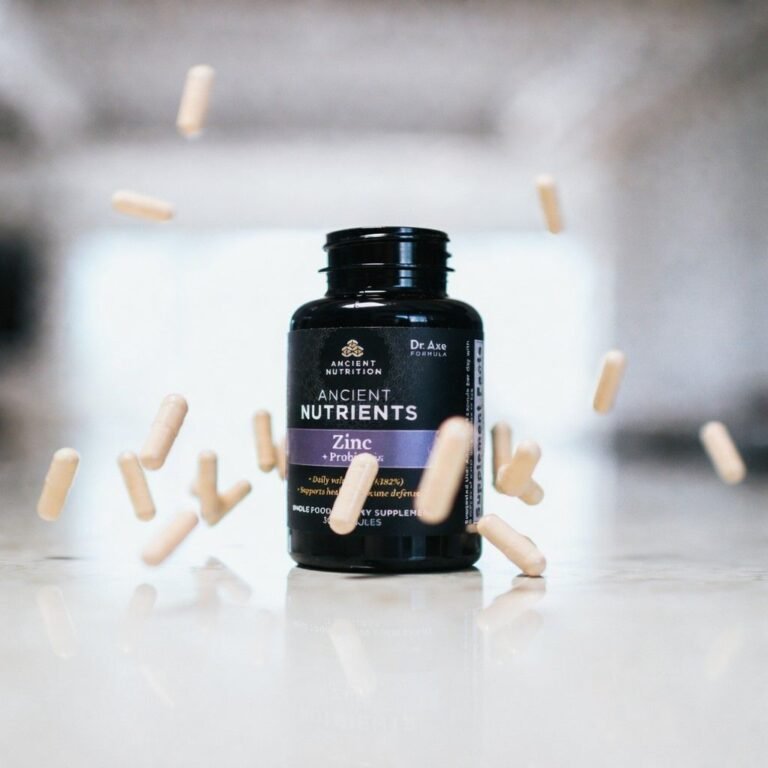
Zinc
Key trace mineral for immune health, tissue repair, and hormonal function.
Read more
A dull sense of taste or smell is a common early sign of zinc deficiency. Zinc is a trace mineral crucial for the enzymes that govern our senses and the rapid production of immune cells. Low levels hinder your sensory receptors and leave your immune system vulnerable to stressors. Maintaining zinc ensures your senses stay sharp and your defenses stay strong.
Essential Supplement Guides
Maximize your results and avoid common mistakes with our free evidence-based guides:
Supplements That Work Better Together
Read more
These pairs help each other absorb or work more effectively:
- Vitamin D3 + Vitamin K2
Vitamin D helps your body absorb calcium. Vitamin K2 makes sure that calcium goes to your bones and teeth (not your arteries).
👉 Take them with food (they need fat to absorb well). - Iron + Vitamin C
Iron (especially from plants) is hard to absorb. Vitamin C helps your body absorb it much better.
👉 Take together on an empty stomach (like iron with orange juice). - Vitamin D + Magnesium
Magnesium helps activate Vitamin D in your body. Without it, Vitamin D won’t work properly. - Omega-3 + Vitamin E
Omega-3 oils can break down easily. Vitamin E protects them and keeps them effective. - Turmeric + Black Pepper
Turmeric (curcumin) is hard to absorb. Black pepper boosts its absorption a lot.
Supplements You Should NOT Take Together
Read more
These compete with each other, so take them at different times (at least 2 hours apart):
- Calcium + Iron
Calcium blocks iron absorption.
👉 Don’t take iron with dairy or calcium supplements. - Zinc + Copper
Too much zinc can reduce copper levels over time.
👉 Take separately or choose a balanced supplement. - Iron + Zinc
They compete for absorption in your body.
👉 Take at different meals. - Calcium + Magnesium (high doses)
Large amounts can interfere with each other.
👉 Take calcium during the day, magnesium at night. - Vitamin B12 + High-Dose Vitamin C
Very high Vitamin C can reduce B12 absorption.
👉 Take them a few hours apart.
Supplement Timing Cheat Sheet
Read more
🌅 Morning
- Vitamin B12 — With water, optional empty stomach
- Iron — Empty stomach; avoid caffeine & calcium for 2 hrs
☀️ With Meals
- Vitamin D — Take with healthy fats
- Omega-3 — Take with a fatty meal
- Zinc — Always take with food
🌙 Evening / Night
- Ashwagandha — Supports stress management
- Magnesium — 1 hour before bed
🕒 Anytime
- Vitamin C — Split doses for better absorption
- L-Theanine — With coffee for focus or at night for relaxation