
Exercise for Obesity: Safe, Low-Impact Workouts for Beginners (With a 4-Week Plan)
By WellnessVigor · Updated October 16, 2026 · 11 min read
This article contains affiliate links. If you buy through them, we may earn a small commission at no extra cost to you. Learn more.
Starting to exercise when you are carrying a lot of extra weight can feel intimidating. Your knees may ache, you may get out of breath quickly, and gyms can feel like they were designed for someone else. But you do not need a gym, running shoes or a punishing routine to get real benefits.
This guide covers the safest, most comfortable types of exercise for people with obesity, a simple 4-week plan, and how to protect your joints as you get fitter.
Quick answer
The best exercises for beginners with obesity are low impact: walking, stationary or recumbent cycling, water exercise and chair-based strength moves. Start with 5 to 10 minutes a day at an easy pace where you can still talk, and add a few minutes each week. Build toward 150 minutes a week plus two short strength sessions. Every pound you lose takes about four pounds of pressure off your knees with each step.
Table of Contents
ToggleWhy exercise matters, even before the scale moves
Exercise burns some calories, but its biggest benefits for people with obesity go beyond weight. It lowers blood pressure and blood sugar, improves mood and sleep, protects muscle while you diet, and makes daily life easier, from climbing stairs to playing with kids. Fitness itself lowers health risk, independent of weight.
The American College of Sports Medicine recommends at least 150 minutes a week of moderate activity for health, and 200 to 300 minutes a week to help keep weight off long term. You can build up to that gradually.
Safety first
- Check with your doctor before starting if you have heart disease, diabetes, high blood pressure, joint problems, or have not exercised in a long time.
- Use the talk test. You should be able to speak in short sentences. If you cannot, slow down.
- Stop immediately and seek help if you feel chest pain or pressure, severe breathlessness, dizziness or an irregular heartbeat.
- Warm up and cool down with 3 to 5 minutes of easy movement.
- Stay cool and hydrated. People with obesity can overheat more easily. Exercise in cooler parts of the day.
- Wear supportive shoes and moisture-wicking clothing; anti-chafing balm helps with skin friction.
The 5 best low-impact exercises for obesity
- Walking. Free, simple and adjustable. Start with flat routes or a walking pad, and split walks into short sessions after meals.
- Stationary or recumbent cycling. Takes body weight off your knees and back. Recumbent bikes have a backrest and are easy to get on and off. See our exercise bike guide.
- Water exercise. Water supports your weight, so you can move with less joint pain. Try water walking or a water aerobics class at a local pool or YMCA.
- Chair exercises. Great for days with joint pain or limited mobility.
- Strength training with bands or light weights. Builds muscle, which helps blood sugar control and protects joints.
Want a done-for-you plan? 35 Days to a Leaner You combines a 35-day low-carb meal plan with simple home workouts, so you know exactly what to eat and how to move each day.
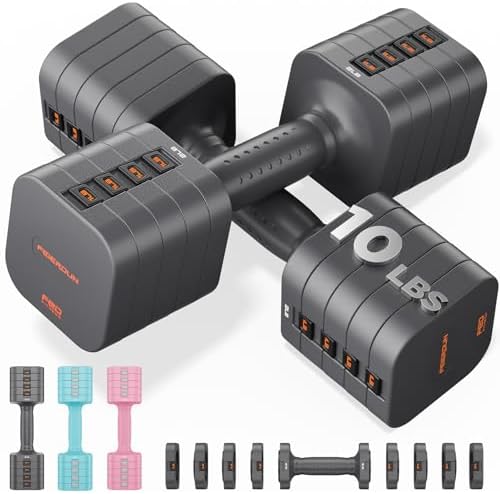
Light adjustable dumbbells for easy home workouts
A compact 5-in-1 set is perfect for beginners: switch weights in seconds and follow simple routines in your living room.
A 10-minute chair and wall workout
Do each move for 30 to 45 seconds, rest 15 to 30 seconds, and repeat the circuit once or twice.
- Seated marches: lift knees alternately while sitting tall.
- Sit-to-stand: stand up from a sturdy chair and sit back down slowly. Use your hands if needed.
- Wall pushups: hands on the wall at shoulder height, bend and straighten your arms.
- Seated leg extensions: straighten one knee, hold 2 seconds, lower.
- Band rows: loop a band around your feet or a door anchor and pull your elbows back.
- Standing heel raises: hold a chair back and rise onto your toes.
- Seated punches: punch forward alternately for a cardio burst.
Your 4-week beginner plan
| Week | Cardio | Strength | Total cardio |
|---|---|---|---|
| 1 | 5–10 min walk or bike, 5 days | Chair workout once | 25–50 min |
| 2 | 10–15 min, 5 days | Chair workout twice | 50–75 min |
| 3 | 15–20 min, 5 days | Chair or band workout twice | 75–100 min |
| 4 | 20–30 min, 5 days | Band workout twice | 100–150 min |
If a week feels too hard, repeat it. Short sessions count: three 10-minute walks are as good as one 30-minute walk.
Protect your knees and joints
Knee pain is one of the most common reasons people with obesity stop exercising. A study of older adults with knee osteoarthritis found that each pound of weight lost reduced the force on the knee by about four pounds with every step. Over thousands of steps a day, that adds up quickly. Choose low-impact cardio, strengthen the muscles around your knees and hips, and use a supportive sleeve if it helps. See obesity and joint pain for more.
Staying motivated
- Schedule workouts like appointments.
- Track minutes, not just weight, and celebrate small wins.
- Find activities you enjoy: dancing at home, gardening, swimming.
- Exercise with a friend or join a beginner-friendly class.
- Expect some muscle soreness in the first weeks; it fades. See why muscles hurt after your first workout.
Joint-friendly gear for home workouts
These are common, inexpensive options that some people find helpful. We have not personally tested these products. Links go to Amazon so you can check current prices and reviews.
BEST SEATED CARDIO
Cubii JR1 Under-Desk Elliptical
A quiet seated pedal machine you can use while watching TV or working, perfect for building fitness with zero impact.
Pros
- Very low impact
- Quiet
- Use while seated
Cons
- Lower intensity than a bike

BEST BIKE FOR BIGGER BODIES
Sunny Health & Fitness Smart Recumbent Bike
A wide, cushioned seat with back support and easy step-through access make it comfortable and safe for beginners.
Pros
- Wide padded seat
- Back support
- Easy to get on and off
Cons
- Takes floor space

BEST FOR WATER WORKOUTS
Aquatic Exercise Dumbbells
Foam water weights add gentle resistance to pool workouts without stressing your joints.
Pros
- Joint-friendly
- Lightweight
- Inexpensive
Cons
- Pool access needed

BEST FOR STRENGTH
WHATAFIT Resistance Bands with Handles
Gentle, adjustable resistance for chair and standing strength exercises.
Pros
- Several levels
- Door anchor included
- Portable
Cons
- Check bands for wear

Strength training: why it matters more than you think
Many people with obesity focus only on cardio, but strength training is just as important. When you lose weight, some of what you lose is muscle. Strength exercises signal your body to keep that muscle, which helps you stay strong, protects your joints, improves blood sugar control and makes everyday tasks easier. Start with two short sessions a week using your body weight, resistance bands or light dumbbells: sit-to-stands, wall pushups, band rows and glute bridges are a great beginning. Add repetitions before adding weight, and rest at least a day between sessions.
Keep reading
Frequently asked questions
What is the best exercise for an obese beginner?
Walking, recumbent cycling and water exercise are the safest and easiest to start. Pick the one you can do most consistently.
How long should an obese person exercise each day?
Start with 5 to 10 minutes and build to about 30 minutes most days. Short sessions count.
Is walking enough to lose weight with obesity?
Walking plus a calorie deficit works well. Adding strength training helps keep muscle and improves results.
Is it safe to exercise with severe obesity?
Yes, for most people, with low-impact activities and a gradual start. Check with your doctor first if you have heart or joint problems.
Can I do exercise if my knees hurt?
Choose cycling, water exercise or seated workouts, and strengthen your thigh and hip muscles. See a doctor or physical therapist if pain persists.
Sources
- Donnelly JE, et al. ACSM position stand: appropriate physical activity intervention strategies for weight loss and prevention of weight regain for adults. Med Sci Sports Exerc. 2009.
- Messier SP, et al. Weight loss reduces knee-joint loads in overweight and obese older adults with knee osteoarthritis. Arthritis Rheum. 2005.
- Piercy KL, et al. The Physical Activity Guidelines for Americans. JAMA. 2018.
This article is for general information only and is not medical advice. See our Medical Disclaimer.