
Obesity and Type 2 Diabetes: How Weight Loss Can Prevent and Even Reverse It
By WellnessVigor · Updated October 16, 2026 · 11 min read
This article contains affiliate links. If you buy through them, we may earn a small commission at no extra cost to you. Learn more.
Obesity and type 2 diabetes are closely linked. Most Americans with type 2 diabetes have overweight or obesity, and about 1 in 4 adults with obesity already has diabetes. Millions more have prediabetes and do not know it.
The encouraging news is that type 2 diabetes is one of the most weight-sensitive conditions there is. Losing a modest amount of weight can prevent it, and larger weight loss can put it into remission for many people. Here is what the research shows and how to act on it.
Quick answer
Excess fat, especially around the belly and liver, causes insulin resistance, which pushes blood sugar up. In the Diabetes Prevention Program, losing about 7% of body weight and exercising 150 minutes a week cut the risk of type 2 diabetes by 58%. In the DiRECT trial, 46% of people with type 2 diabetes reached remission after a year of structured weight loss, and 86% of those who lost 33 lb (15 kg) or more did.
Table of Contents
ToggleHow obesity leads to type 2 diabetes
Insulin is the hormone that moves sugar from your blood into your cells. When you carry excess fat, particularly visceral fat around the organs and fat inside the liver and muscles, your cells become less responsive to insulin. This is called insulin resistance. At first, your pancreas makes extra insulin to compensate. Over years, it can no longer keep up, and blood sugar rises: first into the prediabetes range, then into diabetes.
Not everyone with obesity develops diabetes, and genes play a big role, but obesity is the single biggest modifiable risk factor.
Know your numbers
An A1C blood test shows your average blood sugar over the past two to three months.
| A1C result | What it means |
|---|---|
| Below 5.7% | Normal |
| 5.7% to 6.4% | Prediabetes |
| 6.5% or higher | Diabetes |
If you have obesity, ask your doctor to check your A1C or fasting glucose, especially if you are over 35, have a family history of diabetes, high blood pressure, or a history of gestational diabetes. Prediabetes usually has no symptoms.
Prevention: what the Diabetes Prevention Program showed
The landmark Diabetes Prevention Program followed more than 3,000 US adults with prediabetes. The lifestyle group aimed to lose 7% of their body weight through healthier eating and to exercise at least 150 minutes a week. Over about three years, their risk of developing type 2 diabetes fell by 58%, nearly twice the benefit of the drug metformin (31%). For a 250 lb person, 7% is about 17 lb.
The CDC’s National Diabetes Prevention Program now offers this type of lifestyle course in communities and online across the US.
Want a done-for-you plan? 35 Days to a Leaner You combines a 35-day low-carb meal plan with simple home workouts, so you know exactly what to eat and how to move each day.
A complete home gym in one pair of dumbbells
Adjustable 5-in-1 dumbbells replace a full rack, so beginners and experienced lifters in your family can train with the same set. Strength training protects muscle while you lose fat.

Can weight loss reverse type 2 diabetes?
For many people, yes, especially early in the disease. In the DiRECT trial in the UK, adults who had had type 2 diabetes for less than six years followed a structured program starting with a low-calorie meal replacement phase. After 12 months:
- 46% of the intervention group were in remission (normal blood sugar without diabetes medicines), compared with 4% of the control group.
- Remission depended on weight lost: 7% of those who lost 0 to 11 lb, 34% who lost 11 to 22 lb, 57% who lost 22 to 33 lb, and 86% of those who lost 33 lb (15 kg) or more.
Remission is not a cure: blood sugar can rise again if weight is regained, so long-term habits matter. Never stop diabetes medicines without your doctor; very low-calorie diets need medical supervision if you take insulin or sulfonylureas.
A practical plan to lower blood sugar
- Aim for 5% to 10% weight loss first. See our 12-week plan.
- Cut sugary drinks completely. They raise blood sugar quickly and add empty calories.
- Build plates around protein, vegetables and fiber. Keep starchy foods to about a quarter of the plate and choose whole grains, beans and lentils.
- Walk after meals. Even 10 to 15 minutes helps lower the blood sugar rise after eating. See walking after meals.
- Strength train twice a week. Muscle is the biggest user of blood sugar.
- Sleep 7 to 9 hours. Short sleep worsens insulin resistance.
- Get regular checkups for A1C, blood pressure, cholesterol, kidneys, eyes and feet.
Medicines that help with both weight and blood sugar
GLP-1 medicines such as semaglutide and tirzepatide lower blood sugar and body weight at the same time. For people with type 2 diabetes, they are often prescribed as Ozempic or Mounjaro; for weight management, as Wegovy or Zepbound. Metformin and SGLT2 inhibitors can also help with modest weight loss. Bariatric surgery can lead to diabetes remission in many people with severe obesity. Read our GLP-1 guide.
Low-carb or low-calorie: which is better for diabetes?
Both can work. Lower-carb eating can reduce blood sugar spikes and medication needs for some people, while the DiRECT program used a low-calorie approach. The best choice is the one you can follow consistently and that your doctor can safely adjust your medicines around. Monitoring your blood sugar at home helps you see how different meals affect you.
Tools for managing blood sugar at home
These are common, inexpensive options that some people find helpful. We have not personally tested these products. Links go to Amazon so you can check current prices and reviews.
BEST GLUCOSE METER FOR BEGINNERS
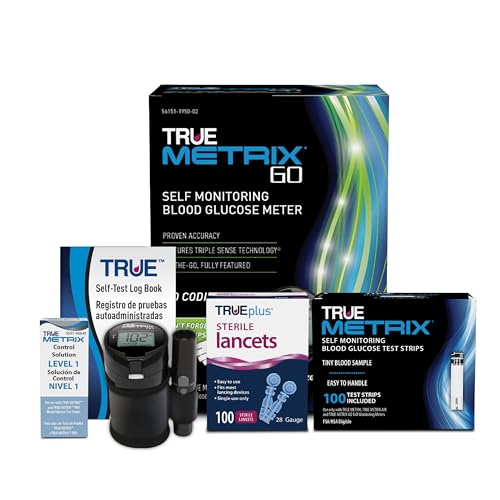
TRUE METRIX GO Glucose Meter Kit
A simple, affordable kit for checking blood sugar at home and learning how meals and walks affect your numbers. Ask your doctor how often to test.
Pros
- Affordable
- Simple to use
- Kit includes log book
Cons
- Test strips are an ongoing cost
BEST FOR AFTER-MEAL WALKS INDOORS
UREVO Incline Walking Pad
A short walk after meals lowers blood sugar spikes. A walking pad makes it easy in any weather.
Pros
- Compact
- Incline option
- Low impact
Cons
- Not for running

BEST FOR CARB PORTIONS
Etekcity Digital Kitchen Scale
Weighing rice, pasta and other carbs helps you keep portions consistent.
Pros
- Accurate
- Inexpensive
- Compact
Cons
- Needs batteries

Warning signs of high blood sugar
Type 2 diabetes often develops slowly with few symptoms, which is why testing matters. See your doctor if you notice:
- Increased thirst and frequent urination
- Unusual tiredness
- Blurred vision
- Slow-healing cuts or frequent infections
- Tingling or numbness in the hands or feet
- Dark, velvety skin patches on the neck or armpits (acanthosis nigricans), a sign of insulin resistance
If you already have diabetes, ask your doctor how weight loss might allow your medicines to be reduced, and never change doses on your own.
Keep reading
Frequently asked questions
Does obesity cause type 2 diabetes?
Obesity is the biggest modifiable risk factor. It causes insulin resistance, which over time can lead to type 2 diabetes, especially in people with a genetic risk.
How much weight do I need to lose to prevent diabetes?
About 5% to 7% of your body weight, plus 150 minutes of activity a week, cut diabetes risk by more than half in research.
Can type 2 diabetes go away with weight loss?
It can go into remission for many people, especially those diagnosed recently who lose about 33 lb (15 kg) or more. It can return if weight is regained.
What A1C is prediabetes?
An A1C of 5.7% to 6.4% is prediabetes; 6.5% or higher is diabetes.
Is fruit bad for diabetes?
Whole fruit is fine for most people in sensible portions. Juice and dried fruit raise blood sugar faster.
Sources
- Knowler WC, et al. Reduction in the incidence of type 2 diabetes with lifestyle intervention or metformin. N Engl J Med. 2002.
- Lean ME, et al. Primary care-led weight management for remission of type 2 diabetes (DiRECT). Lancet. 2018.
- Wing RR, et al. Benefits of modest weight loss in improving cardiovascular risk factors in overweight and obese individuals with type 2 diabetes. Diabetes Care. 2011.
- CDC. Adult obesity facts.
- CDC. National Diabetes Prevention Program.
This article is for general information only and is not medical advice. See our Medical Disclaimer.