
Visceral Fat: What It Is, Why It Is Dangerous and How to Lose It
By WellnessVigor · Updated October 16, 2026 · 11 min read
This article contains affiliate links. If you buy through them, we may earn a small commission at no extra cost to you. Learn more.
Not all body fat is equal. The fat you can pinch under your skin is mostly harmless in moderate amounts. But the fat packed deep inside your belly, around your liver, intestines and other organs, is a different story. This visceral fat is strongly linked to type 2 diabetes, heart disease, fatty liver and some cancers, even in people who do not look very overweight.
Here is what visceral fat is, how to tell if you have too much, and the strategies that research shows reduce it.
Quick answer
Visceral fat is the deep belly fat around your organs. A waist over 40 inches in men or 35 inches in women, or a waist more than half your height, suggests too much. You cannot target it with crunches, but it responds well to overall weight loss and regular aerobic exercise, which can reduce visceral fat even before the scale moves much. Cutting sugary drinks and alcohol, eating more fiber and protein, and sleeping well also help.
Table of Contents
ToggleWhat is visceral fat?
Visceral fat is stored inside the abdominal cavity, wrapped around organs such as the liver, pancreas and intestines. Unlike subcutaneous fat, which sits just under the skin, visceral fat is highly active. It releases fatty acids directly into the liver and produces inflammatory substances that interfere with insulin and raise blood pressure and cholesterol.
A 2019 position statement from experts in The Lancet Diabetes & Endocrinology concluded that visceral and other “ectopic” fat (fat in the liver, heart and muscles) is a key driver of heart disease and metabolic disease, independent of BMI.
Why visceral fat is dangerous
- Insulin resistance and type 2 diabetes. See obesity and type 2 diabetes.
- High blood pressure and unhealthy cholesterol
- Heart attack and stroke
- Fatty liver disease
- Sleep apnea
- Some cancers, including colorectal cancer
This is why someone with a “normal” BMI but a large waist can be at higher risk than someone with a higher BMI and fat stored mostly on the hips and thighs.
How to tell if you have too much
The only way to measure visceral fat precisely is with a scan such as a DEXA, CT or MRI. But simple measurements give a good estimate:
| Measure | Higher risk |
|---|---|
| Waist (men) | More than 40 inches |
| Waist (women) | More than 35 inches |
| Waist-to-height ratio | More than 0.5 (waist more than half your height) |
How to measure: stand up, breathe out normally, and wrap a tape around your bare belly at the level of your belly button. Keep it snug but not tight. Some smart scales estimate visceral fat, but home estimates are rough; use them to track trends rather than as exact numbers.
Want a done-for-you plan? 35 Days to a Leaner You combines a 35-day low-carb meal plan with simple home workouts, so you know exactly what to eat and how to move each day.
What causes visceral fat?
- Excess calories, especially from sugary drinks, refined carbs and alcohol
- Inactivity and long hours of sitting
- Genes: some people store more fat viscerally
- Sex and hormones: men store more visceral fat; women gain more after menopause
- Age: visceral fat tends to increase as muscle declines
- Stress and high cortisol
- Poor sleep
- Smoking
Why crunches will not flatten your belly
Spot reduction is a myth. In a randomized trial, six weeks of abdominal exercises alone did not reduce belly fat compared with a control group, although the exercises did strengthen the core. To lose belly fat, you need to lose fat overall, and visceral fat tends to be one of the first places it comes from.
7 proven ways to lose visceral fat
- Do regular aerobic exercise. A meta-analysis of 15 studies found that aerobic exercise reduced visceral fat in people with overweight and obesity, even without dieting. Aim for at least 150 minutes a week of brisk walking, cycling or swimming.
- Create a modest calorie deficit. Losing 5% to 10% of your weight often brings a larger percentage drop in visceral fat.
- Cut sugary drinks. Soda, sweet tea and juice are among the biggest sources of added sugar.
- Limit alcohol. Regular heavy drinking is strongly linked to belly fat.
- Eat more fiber and protein. Vegetables, beans, lentils and whole grains plus lean protein keep you full on fewer calories.
- Add strength training. It preserves muscle and improves blood sugar control.
- Sleep 7 to 9 hours and manage stress. Short sleep and chronic stress both promote fat storage around the middle.
How long does it take?
Many people see their waist shrink within 4 to 8 weeks of consistent changes, even before large changes on the scale. Measure your waist every two weeks. Medicines such as GLP-1 drugs also reduce visceral fat along with overall weight; see our GLP-1 guide.
Visceral fat in men vs women
Men naturally store more visceral fat at any given weight, which partly explains why they develop heart disease earlier. Women are more protected before menopause, but visceral fat rises after estrogen falls. Read our guides on obesity in men and obesity in women, and why belly fat is harder to lose after 40.
Tools to track and lose visceral fat
BEST WAIST TRACKER
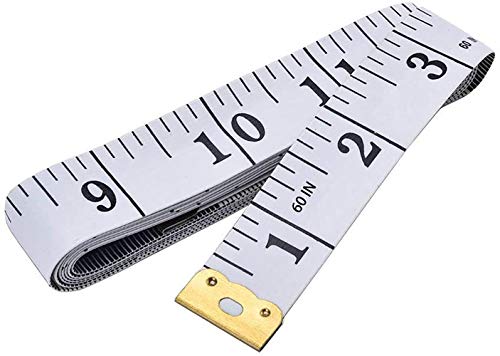
Soft Body Measuring Tape
Your waist measurement is the simplest home check for visceral fat. Track it every two weeks.
Pros
- Very cheap
- Inches and centimeters
- Flexible
Cons
- Measure at the same spot each time
BEST SMART SCALE
Etekcity Smart Scale
Tracks weight and estimates body fat trends in an app, useful for seeing progress over months.
Pros
- Syncs to app
- Many body metrics
- Popular and affordable
Cons
- Body fat readings are estimates

BEST FOR AEROBIC EXERCISE AT HOME
YOSUDA Magnetic Exercise Bike
Regular aerobic exercise is one of the most effective ways to cut visceral fat, and a quiet bike makes it easy at home.
Pros
- Quiet magnetic resistance
- Sturdy
- Good value
Cons
- Basic display

A one-week starter plan to shrink visceral fat
Put the principles into practice with this simple first week:
- Day 1: Measure your waist and remove sugary drinks from your home.
- Day 2: Walk briskly for 20 minutes.
- Day 3: Add a vegetable and a protein source to every meal.
- Day 4: Walk or cycle for 25 minutes and do 10 minutes of strength exercises.
- Day 5: Have an alcohol-free evening and go to bed 30 minutes earlier.
- Day 6: Try a longer activity you enjoy, such as a hike or bike ride.
- Day 7: Plan next week’s meals and workouts.
Repeat and build on this each week, and re-measure your waist after two weeks.
Keep reading
Frequently asked questions
How do I know if I have visceral fat?
A waist over 40 inches in men or 35 inches in women, or a waist more than half your height, suggests excess visceral fat.
What is the fastest way to lose visceral fat?
Regular aerobic exercise combined with a modest calorie deficit, cutting sugary drinks and alcohol, and good sleep.
Can thin people have visceral fat?
Yes. Some people with a normal BMI carry high visceral fat, sometimes called “thin outside, fat inside”.
Do crunches burn belly fat?
No. Abdominal exercises strengthen your core but do not target fat in that area.
Is visceral fat the first fat to go?
Visceral fat often responds quickly to exercise and weight loss, so your waist may shrink before your weight changes much.
Sources
- Neeland IJ, et al. Visceral and ectopic fat, atherosclerosis, and cardiometabolic disease: a position statement. Lancet Diabetes Endocrinol. 2019.
- Vissers D, et al. The effect of exercise on visceral adipose tissue in overweight adults: a systematic review and meta-analysis. PLoS One. 2013.
- Vispute SS, et al. The effect of abdominal exercise on abdominal fat. J Strength Cond Res. 2011.
- Ashwell M, et al. Waist-to-height ratio is a better screening tool than waist circumference and BMI. Obes Rev. 2012.
This article is for general information only and is not medical advice. See our Medical Disclaimer.