
Weight Loss Surgery vs GLP-1 Drugs: Which Is Right for Severe Obesity?
By WellnessVigor · Updated October 16, 2026 · 11 min read
This article contains affiliate links. If you buy through them, we may earn a small commission at no extra cost to you. Learn more.
For people with severe obesity, diet and exercise alone often are not enough to reach a healthier weight, and that is not a personal failure. Today there are two powerful medical options: metabolic and bariatric surgery, and GLP-1 medications such as Wegovy and Zepbound.
Both can transform health, but they work differently, carry different risks and require different commitments. This guide compares them side by side to help you have an informed conversation with your doctor.
Quick answer
Bariatric surgery usually produces the largest and most durable weight loss, often around 25% to 30% of body weight, and has been linked to fewer heart attacks, strokes and deaths over the long term. GLP-1 drugs lead to about 15% to 21% average weight loss in trials, avoid surgery, but usually need to be taken long term because weight tends to return when they are stopped. Surgery is generally considered for a BMI of 35 or more, or 30 to 34.9 with metabolic disease.
Table of Contents
ToggleWho qualifies for each option?
Bariatric surgery: 2022 guidelines from the American Society for Metabolic and Bariatric Surgery (ASMBS) and the international federation IFSO recommend surgery for adults with a BMI of 35 or more, regardless of other health problems, and considering it for those with a BMI of 30 to 34.9 who have metabolic disease such as type 2 diabetes. Lower thresholds may apply for people of Asian descent.
GLP-1 medicines: generally approved for adults with a BMI of 30 or more, or 27 or more with a weight-related condition. See our full GLP-1 guide.
Side-by-side comparison
| Factor | Bariatric surgery | GLP-1 drugs |
|---|---|---|
| Typical weight loss | About 25% to 30% of body weight | About 15% to 21% on average in trials |
| How it works | Makes the stomach smaller and changes gut hormones | Reduces appetite and slows digestion |
| Commitment | One-time operation plus lifelong follow-up and vitamins | Weekly injection or daily pill, usually long term |
| Main risks | Surgical complications, nutrient deficiencies, dumping syndrome | Nausea and stomach upset; rarely pancreatitis or gallbladder problems |
| Reversible? | Mostly no (sleeve); bypass is difficult to reverse | Yes, but weight usually returns when stopped |
| Long-term data | Decades of follow-up | Several years of data, growing quickly |
| Cost | Large one-time cost; often covered by insurance for eligible patients | Ongoing monthly cost; coverage varies widely |
Types of weight loss surgery
- Sleeve gastrectomy: removes about three-quarters of the stomach, leaving a narrow sleeve. The most common operation in the US.
- Roux-en-Y gastric bypass: creates a small stomach pouch connected directly to the small intestine. Often preferred for people with severe acid reflux or type 2 diabetes.
- Other procedures such as duodenal switch are used less often, mainly for very high BMIs.
Most operations are done laparoscopically through small incisions, and many patients go home within a day or two.
Want a done-for-you plan? 35 Days to a Leaner You combines a 35-day low-carb meal plan with simple home workouts, so you know exactly what to eat and how to move each day.
A complete home gym in one pair of dumbbells
Adjustable 5-in-1 dumbbells replace a full rack, so beginners and experienced lifters in your family can train with the same set. Strength training protects muscle while you lose fat.

What long-term research shows
The Swedish Obese Subjects (SOS) study followed thousands of people with obesity for many years, comparing those who had surgery with similar people who did not. Surgery was linked to about half the risk of cardiovascular death and fewer heart attacks and strokes overall. Surgery also leads to type 2 diabetes remission in many patients.
For GLP-1s, the SELECT trial showed that semaglutide reduced major heart events by 20% in people with heart disease and overweight or obesity. However, when people stop taking GLP-1 drugs, most regain a large share of the weight within a year.
Risks and downsides to consider
Surgery: as with any operation, there are risks of bleeding, infection, leaks and blood clots, though serious complications are uncommon at experienced centers. Afterward, you will need lifelong vitamin and mineral supplements and regular blood tests, because absorption of some nutrients falls. Some people experience dumping syndrome, reflux (especially after a sleeve), or regain weight over time.
GLP-1 drugs: stomach side effects are common at first. Some of the weight lost is muscle, so protein and strength training matter. Supply, cost and insurance coverage can be challenging, and unapproved compounded or counterfeit products carry risks.
Combining both
The two approaches are not either-or. Some people use GLP-1 medicines before surgery to reduce risk, and GLP-1s are increasingly used after surgery for people who regain weight or need extra help. Your care team can tailor a plan over time.
Questions to ask your doctor
- Based on my BMI and health conditions, which options am I eligible for?
- How much weight could I realistically expect to lose with each?
- What are the risks for someone with my health history?
- What will my insurance cover, and what will I pay out of pocket?
- What follow-up care, supplements or lifestyle changes will I need?
- What happens if I stop the medication or regain weight after surgery?
Lifestyle still matters with either option
Neither surgery nor medication works in isolation. Eating enough protein, choosing nutritious foods in smaller portions, staying active and getting enough sleep help you lose more fat, keep muscle and maintain your results. Start with our 12-week plan and low-impact exercise guide.
Helpful products for either path
These are common, inexpensive options that some people find helpful. We have not personally tested these products. Links go to Amazon so you can check current prices and reviews.
BEST PROTEIN SUPPORT
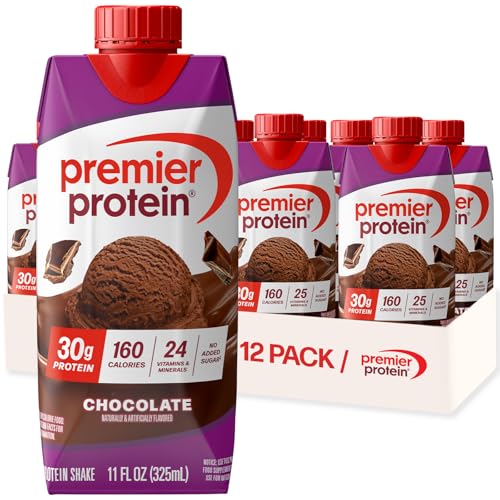
Premier Protein 30g Shake
Getting enough protein is essential after surgery and on GLP-1 drugs, when appetite is small. A 30 g shake makes it easier.
Pros
- 30 g protein
- Ready to drink
- Many flavors
Cons
- Contains sweeteners
POPULAR BARIATRIC MULTIVITAMIN
Bariatric Fusion Multivitamin with Iron
A multivitamin designed for people after bariatric surgery. Follow your surgical team’s specific vitamin plan.
Pros
- Formulated for bariatric needs
- Includes iron
- Well reviewed
Cons
- Ask your care team before choosing a brand

BEST FOR TRACKING PROGRESS
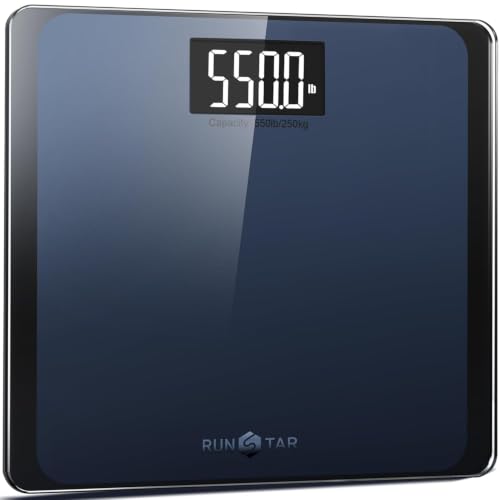
RunStar 550 lb Bathroom Scale
A high-capacity scale for accurate tracking from the start of your journey.
Pros
- 550 lb capacity
- Wide platform
- Clear display
Cons
- Weight only
What recovery and life after surgery look like
After bariatric surgery, most people follow a staged diet for several weeks, moving from clear liquids to purees, soft foods and finally regular textures. Meals are small, protein comes first, and drinking is separated from eating. Lifelong vitamin and mineral supplements, regular blood tests and follow-up visits are part of the commitment. Many programs also include dietitians, psychologists and support groups, which improve long-term results. Most people return to desk work within a few weeks and gradually increase activity as they heal.
Keep reading
- GLP-1 weight loss medications
- What is obesity?
- Obesity and type 2 diabetes
- US obesity statistics
Frequently asked questions
Is bariatric surgery more effective than Wegovy or Zepbound?
On average, surgery produces more weight loss and has longer-term data, but GLP-1 drugs are closing the gap and avoid surgery. The best choice depends on your health, BMI and preferences.
What BMI do you need for weight loss surgery?
Current guidelines recommend surgery for a BMI of 35 or more, and considering it for 30 to 34.9 with metabolic disease.
Can you take GLP-1 drugs after bariatric surgery?
Yes. Doctors sometimes prescribe them for people who regain weight after surgery.
Do you regain weight after bariatric surgery?
Some regain is common years later, but most people keep off a large share of their weight loss, especially with ongoing follow-up.
Which is cheaper, surgery or GLP-1s?
Surgery has a large upfront cost, while GLP-1s have an ongoing monthly cost. Over many years, long-term medication can cost more, but it depends on insurance coverage.
Sources
- Eisenberg D, et al. 2022 ASMBS and IFSO indications for metabolic and bariatric surgery. Surg Obes Relat Dis. 2022.
- Sjöström L, et al. Bariatric surgery and long-term cardiovascular events. JAMA. 2012.
- Sjöström L. Review of the key results from the Swedish Obese Subjects (SOS) trial. J Intern Med. 2013.
- Lincoff AM, et al. Semaglutide and cardiovascular outcomes in obesity without diabetes. N Engl J Med. 2023.
- Wilding JPH, et al. Weight regain and cardiometabolic effects after withdrawal of semaglutide. Diabetes Obes Metab. 2022.
- Jastreboff AM, et al. Tirzepatide once weekly for the treatment of obesity. N Engl J Med. 2022.
This article is for general information only and is not medical advice. See our Medical Disclaimer.