
The Foundation of Healthy Cooking
Non-Toxic, Durable, and Safe Tools for Your Wellness Journey.
Is Your Cookware Secretly Affecting Your Health?
When we think about health, we focus on organic kale, grass-fed proteins, and filtered water. But have you ever stopped to consider the surface where your food is prepared?
The truth is, the tools you use to cook are just as important as the ingredients you buy. Many modern kitchens are filled with “convenient” materials that leach hidden toxins into every meal. Here is why it’s time to audit your kitchen and make the switch to non-toxic essentials.
The Hidden Dangers: Why Plastic and Teflon Must Go
1. The Plastic Problem
Plastic is everywhere, but it has no place near heat. When plastic spatulas or storage containers get hot, they release BPA and Phthalates. These are known endocrine disruptors that mimic hormones in the body, potentially leading to metabolic and reproductive issues.
2. The “Forever Chemicals” in Non-Stick
That easy-release Teflon pan might be convenient, but at high temperatures, it can release PTFE and PFOA fumes. These “forever chemicals” stay in your body and the environment for years. Once a non-stick pan is scratched, it begins shedding microscopic toxic flakes directly into your eggs and stir-fry.
The Healthy Alternatives: Time-Tested & Toxic-Free
To protect your family, you don’t need high-tech gadgets; you need to return to materials that have stood the test of time.
Stainless Steel: The Gold Standard of Purity
There is a reason professional chefs prefer stainless steel. It is completely non-reactive.
Why it’s healthy: Stainless steel is excellent for cooking because it is highly durable, non-reactive with acidic foods, and provides even heat distribution (especially when clad with aluminum or copper). It does not rust, flake, or leach harmful chemicals into food, making it safe, hygienic, and long-lasting.
The Non-Toxic Automatic Bread Maker
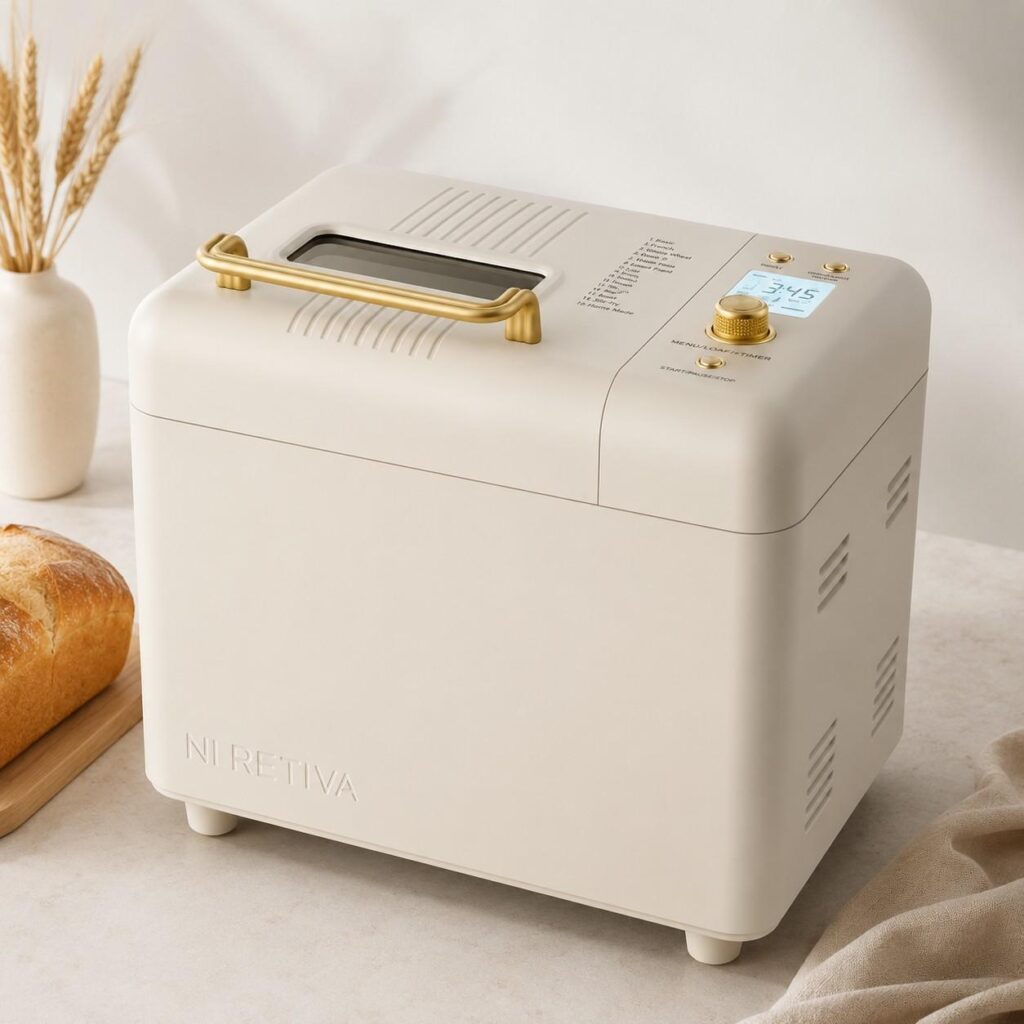
The Ultimate Tool for Clean, Preservative-Free Bread
Most store-bought bread is packed with hidden sugars, industrial seed oils, and chemical preservatives to extend shelf life. Baking your own bread at home is the ultimate way to control your ingredients, but who has the time for manual kneading?
That’s where a premium, non-toxic automatic bread maker comes in.
Essential Utensil Set
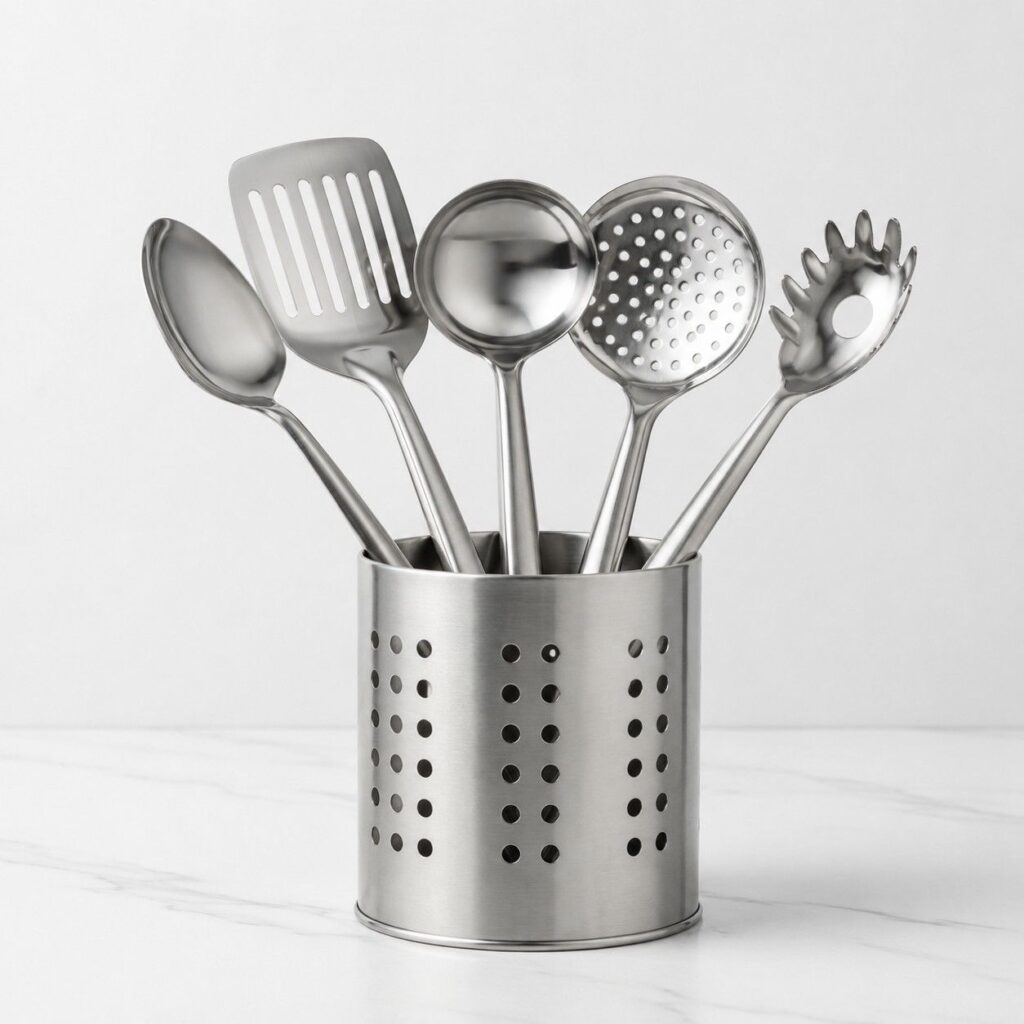
Includes a Slotted Turner, Ladle, Skimmer, Serving Spoon, Pasta Server, Potato Masher, and Egg Whisk.
Premium Quality: Crafted from food-grade, heat-resistant stainless steel.
Safe & Durable: Won’t melt like plastic or harbor bacteria, ensuring a clean cooking experience.
Multi-Clad Cookware Set
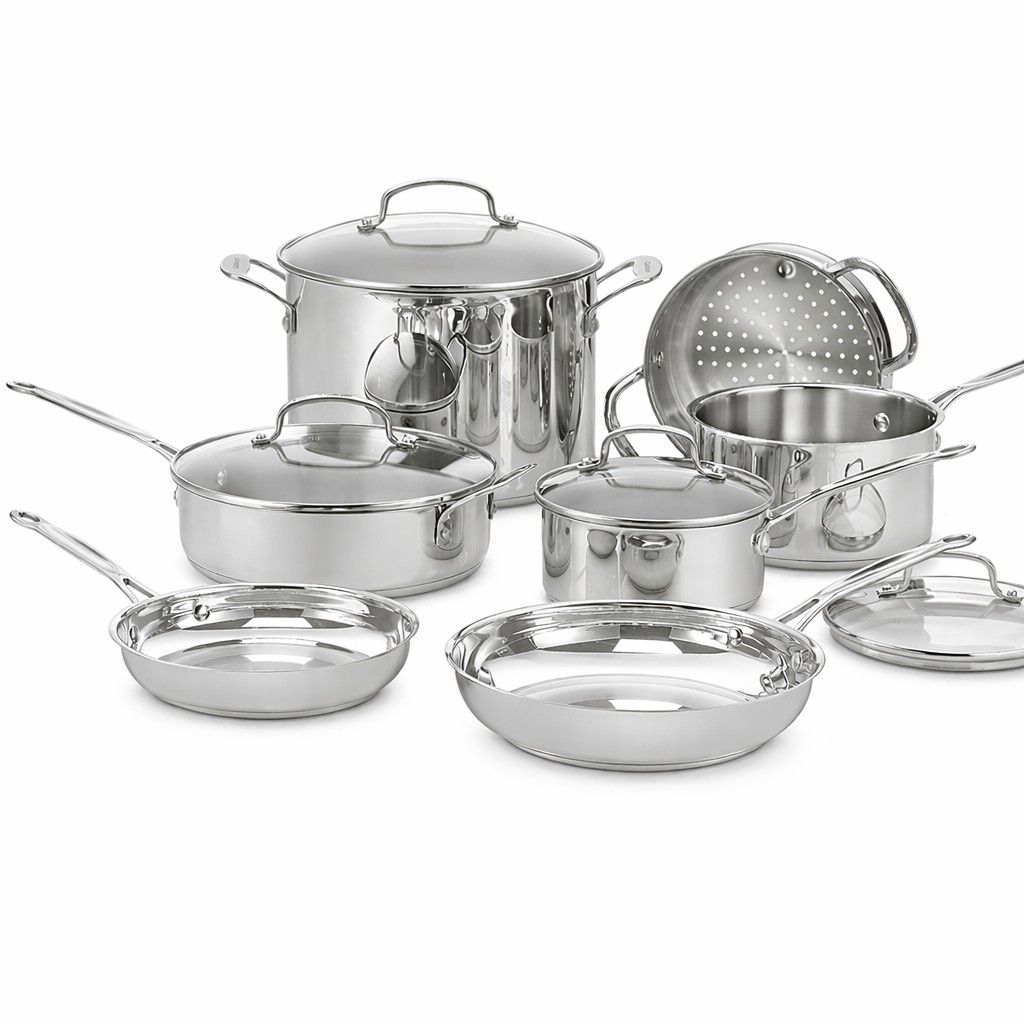
- 100% Toxin-Free: Completely free from Teflon, PFOA, lead, and cadmium. Cook at high temperatures with peace of mind, knowing zero chemicals will leach into your food.
Built to Last: Unlike cheap non-stick pans that scratch and warp, this heavy-duty stainless steel set is scratch-resistant, metal-utensil safe, and built to last a lifetime.
Heavy-Duty Stainless Steel Pan
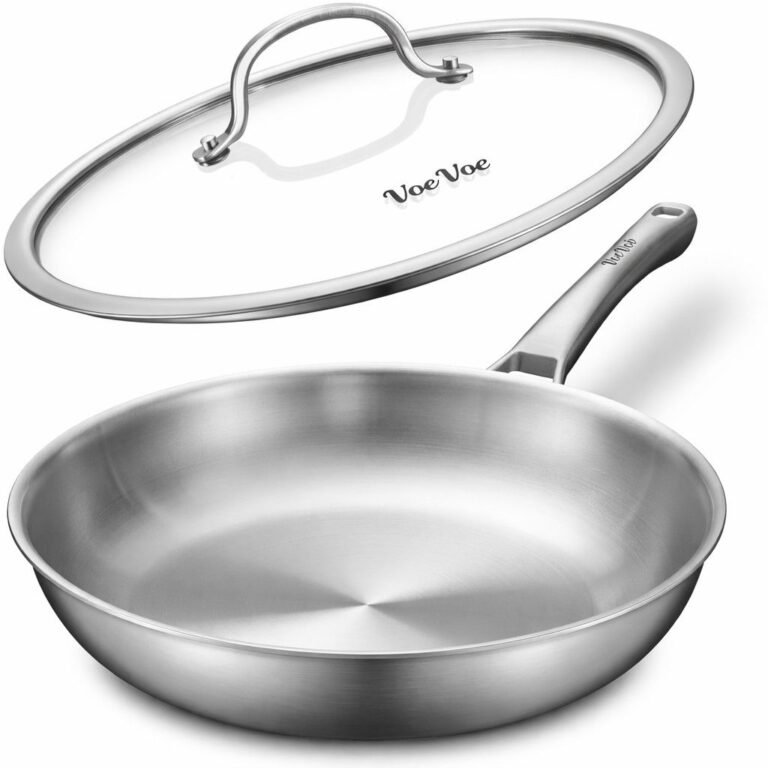
The ultimate non-reactive skillet for high-heat searing and clean, chemical-free frying.
Anti-Bacterial Cutting Board
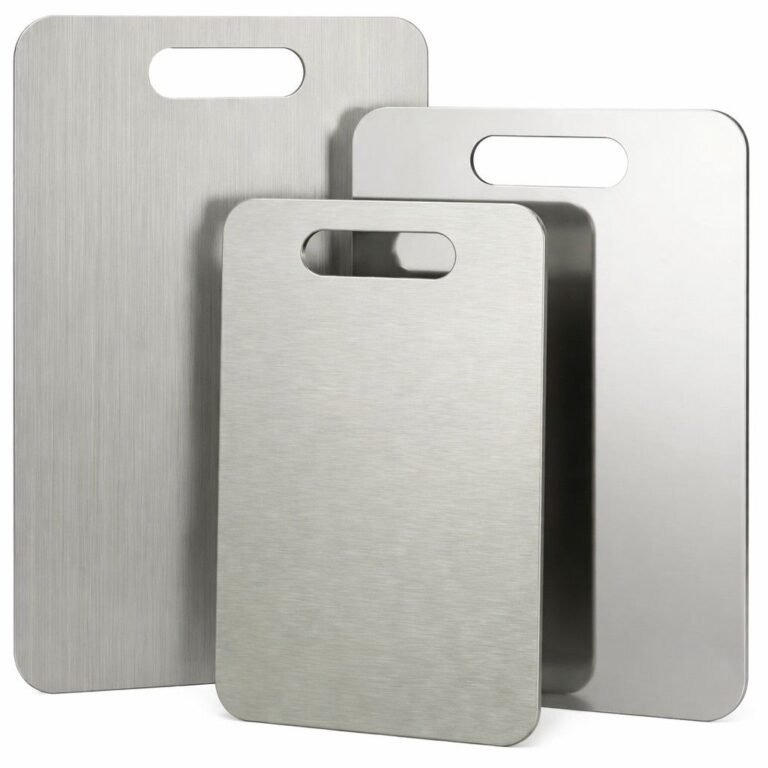
A hygienic, rust-proof surface that eliminates odors and prevents cross-contamination better than wood or plastic.
Mixing Bowls
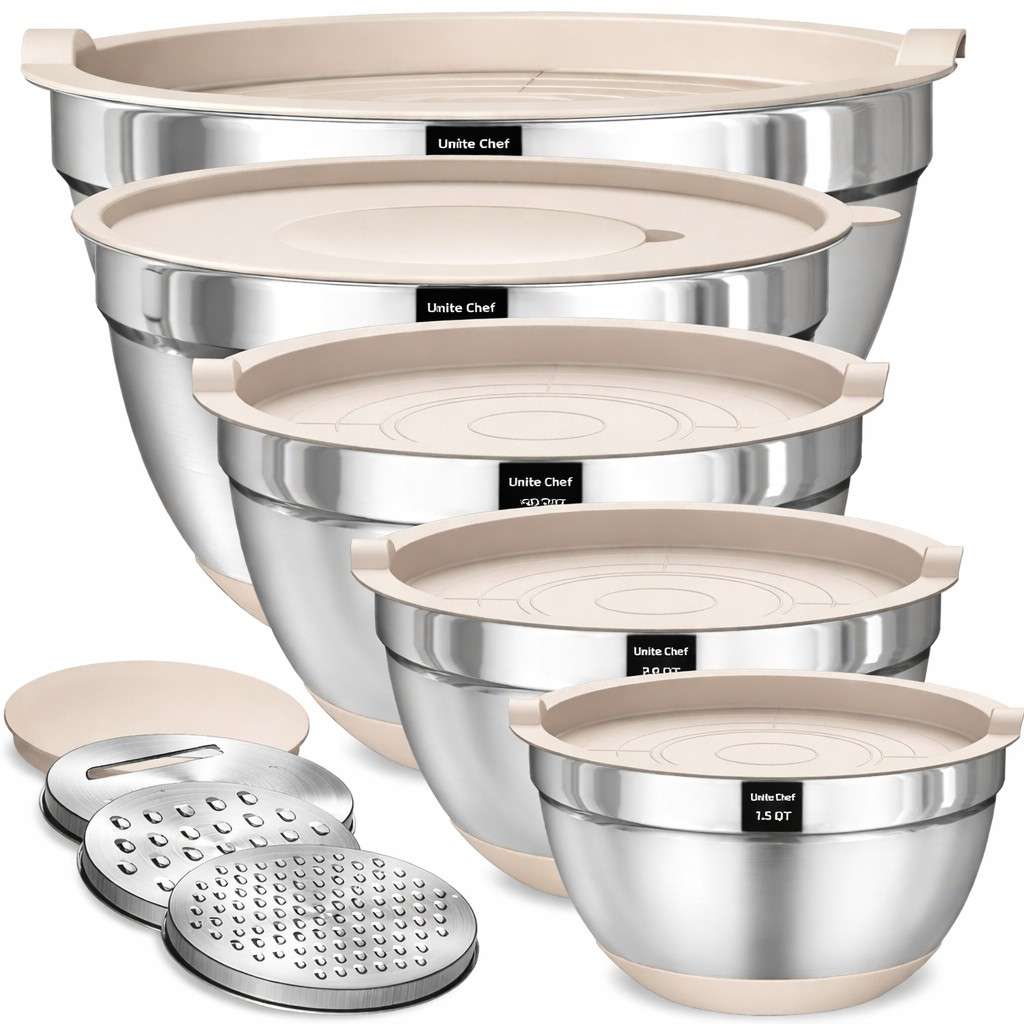
Durable, nesting bowls perfect for prepping, whisking, and storing healthy meals without leaching chemicals.
Cast Iron: The Natural Powerhouse
Cast iron is the original non-stick. When properly seasoned with natural oils, it creates a surface that rivals any chemical coating.
Why it’s healthy: It leaches zero chemicals and can actually boost your iron intake—a subtle benefit for those struggling with anemia.
Durability: A good cast iron skillet isn’t just a purchase; it’s an heirloom that lasts generations.
The 10-Inch Cast Iron Skillet
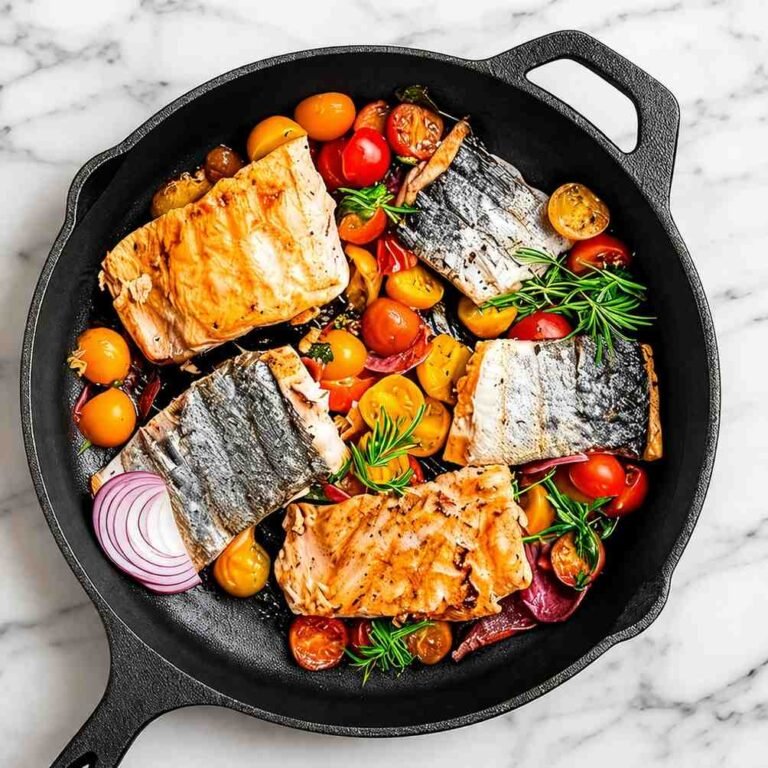
This is the most essential tool in a healthy kitchen. It is perfect for searing steaks, frying eggs, or even baking cornbread.
Why it’s essential: Its thick base holds heat better than any other material, providing an even cook every time.
Enameled Cast Iron Dutch Oven
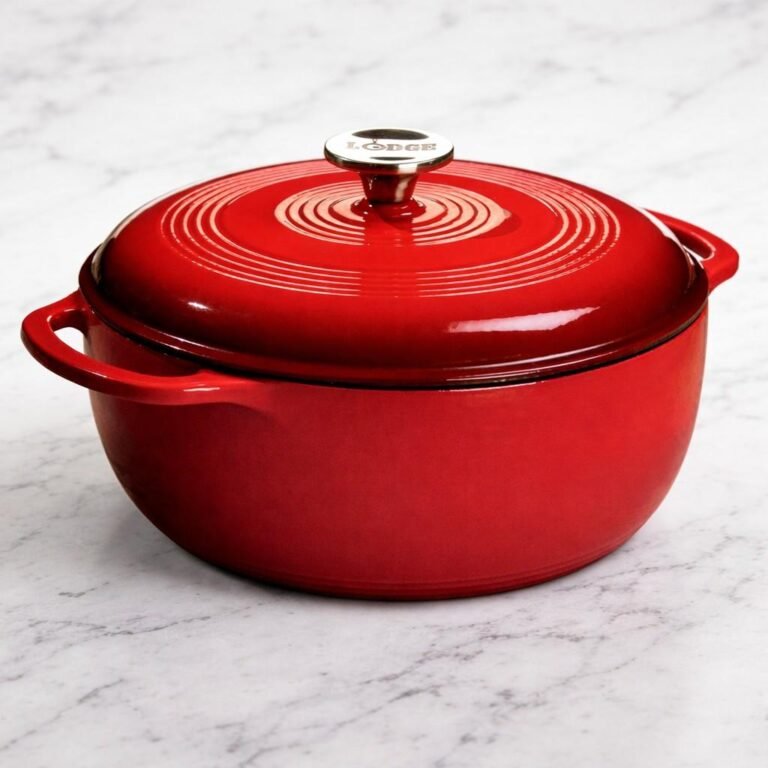
Unlike raw cast iron, the enameled version has a smooth porcelain coating. It is ideal for acidic foods like tomato sauces or slow-cooked stews.
Why it’s essential: It provides the benefits of cast iron without the need for seasoning, and it’s perfect for low-and-slow healthy braises.
Cast Iron Grill Pan (The Indoor BBQ)
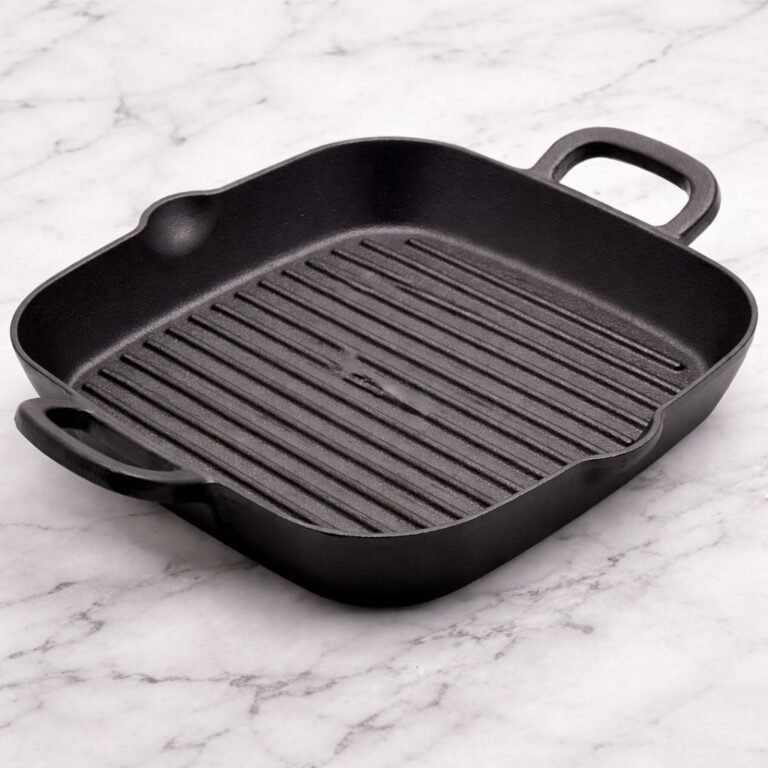
If you want those beautiful char marks on your salmon or vegetables without using an outdoor grill, this is the tool.
Why it’s essential: The ridges allow fat to drain away from the food, making your meals leaner and healthier.
Cast Iron Smashed Burger Press
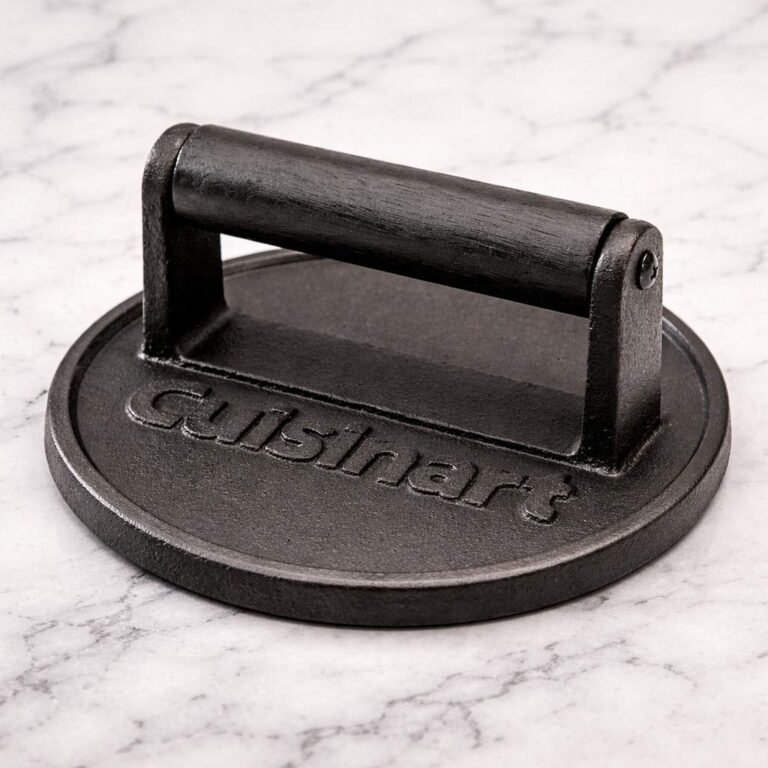
The ultimate tool for creating restaurant-quality, crispy smash burgers at home. This heavy-duty press is designed to flatten meat perfectly on grills or griddles.
Essential Cast Iron Maintenance Tools:
Avoid soap and always dry immediately to keep your cast iron healthy.
To keep your cast iron “healthy” and non-stick, you also need these safe cleaning tools:
Chainmail Scrubber: Removes stuck-on food without stripping the natural seasoning.
Cast Iron Brush: Stiff bristles designed to clean without using harsh, chemical soaps.
Silicone Handle Holders: Essential for safety, as cast iron handles get extremely hot.

Wood & Silicone: The Safe Stir
Ditch the plastic spoons for:
Organic Bamboo/Wood: Naturally anti-bacterial and won’t scratch your pans.
Food-Grade Silicone: Heat-resistant and chemically stable, meaning it won’t melt or off-gas into your boiling soup
Stop cooking with toxic chemicals. Upgrade to non-toxic, eco-friendly essentials that protect your health and your family.
How to Transition to a Non-Toxic Kitchen
Making the switch doesn’t have to happen overnight. Follow this simple three-step guide:
Purge the Damaged: Immediately discard any non-stick pans that are scratched or peeling.
Swap the Tools: Replace plastic flippers and spoons with wooden or silicone alternatives. This is an affordable and high-impact change.
Invest in Quality: Slowly replace your most-used pans with one high-quality Cast Iron skillet and one Stainless Steel pot.
Final Thoughts
Your kitchen should be a place of healing, not a source of hidden toxicity. By choosing Cast Iron, Stainless Steel, and Natural Wood, you are ensuring that the only thing in your food is the nutrition you put there.
Editor’s Note: As an Amazon Associate, Wellness Vigor earns from qualifying purchases. We only recommend products that align with our mission of purity and vitality.