FOOD-FIRST NUTRITION

Superfood Seeds and Natural Foods That Pack a Nutritional Punch

Some of the most useful “supplements” are simply foods. A spoonful of seeds adds fiber, protein, healthy fats and minerals to breakfast for a few cents a day. Here are the ones worth keeping in your kitchen, and how to use them.

✓  Picks based on research and real reviews✓  Live Amazon prices✓  Honest pros and limits

WellnessVigor is reader-supported. When you buy through links on this page we may earn a small commission from Amazon, at no extra cost to you. How we choose products.

Why seeds?

Seeds are small but nutrient-dense. Most give you fiber for digestion and fullness, plant protein, healthy fats and minerals such as magnesium, zinc and iron. A daily tablespoon or two is plenty.

Easy ways to use them: stir into oats or yogurt, blend into smoothies, sprinkle over salads, or add to homemade bread and energy bites.

Everyday seeds

BEST FOR FIBER

Chia seeds

About 10 g of fiber in 2 tablespoons, plus plant omega-3 (ALA). They thicken liquids, making them ideal for overnight puddings.

Good to know: Soak them or drink plenty of water; dry chia seeds swell.

Nutritional content/100g
Total fat - 30.8g
Protein - 15.6g
Dietary Fibre - 37.7g
Omega 3-17552mg
Manganese - 2.2mg

BEST FOR OMEGA-3

Ground flaxseed

One of the richest plant sources of ALA omega-3 and fiber. Buy it ground or grind it yourself; whole seeds pass through undigested.

Nutritional content/100g
Protein - 18.3g
Vitamin B1 (Thiamine) - 1.6mg
Magnesium - 392mg
Phosphorus - 642mg
Copper-1.2mg

BEST FOR PROTEIN

Hemp hearts

About 10 g of complete plant protein in 3 tablespoons, with a mild nutty taste.

Nutritional content/100g
Protein - 31.6g
Vitamin E - 9mg
Phosphorus - 1650mg
Magnesium - 700mg
Zinc - 9.9mg

BEST FOR MAGNESIUM AND ZINC

Pumpkin seeds

A good source of magnesium, zinc and iron. Great as a snack or salad topping.

Nutritional content/100g
Protein - 24.5g
Phosporus - 1174mg
Manganese - 3mg
Iron - 15mg
Magnesium - 535mg
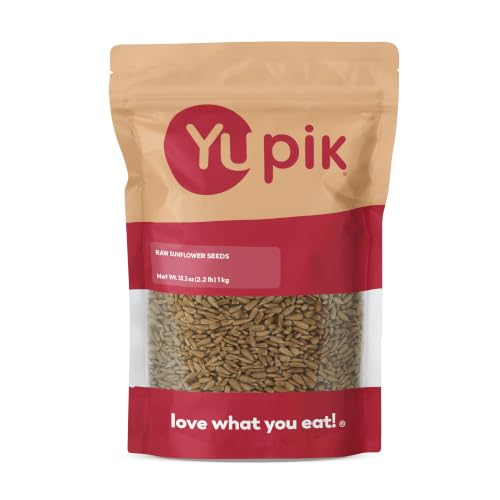
Sunflower seeds

Rich in vitamin E, an antioxidant. Choose unsalted.

Sesame seeds

Provide calcium and healthy fats; tahini is an easy way to eat more.

Good to know: Sesame is a common allergen.

Nutritional content/100g
Copper-4.1mg
Iron - 14.5mg
Magnesium - 351mg
Calcium-975mg
Selenium - 5.7mcg

Natural powders and extras

BEST FOR REGULARITY

Psyllium husk powder

A soluble fiber with good evidence for easing constipation and lowering LDL cholesterol.

Good to know: Start small and drink plenty of water. Take medicines 2 hours apart.

Turmeric with black pepper

Use it in cooking with a pinch of black pepper, which helps your body absorb curcumin.

Black cumin seeds (nigella)

A traditional spice. Small studies of black seed suggest modest effects on blood sugar and blood pressure.

Spirulina powder

A blue-green algae with protein, iron and B vitamins. Easy to add to smoothies.

Good to know: Choose a tested brand, as poor-quality spirulina can be contaminated. Avoid with autoimmune disease or PKU.

NUTRITIONAL CONTENT/100g
Protein - 57.5g (Extremely dense)
Iron - 28.5mg
Vitamin B1 (Thiamine) - 2.4mg
Copper-6.1mg
Potassium - 1363mg

Camu camu powder

A very rich natural source of vitamin C. A small amount goes a long way.

NUTRITIONAL CONTENT/100g
Vitamin C -2700mg (Extremely High)
Iron -2.8mg
Calcium -40mg
Potassium -2630mg
Dietary Fiber - 16.0g

Manuka honey

A distinctive honey with antibacterial properties, best known for soothing sore throats.

Good to know: It is still sugar. Never give honey to babies under 1 year.

Helpful guides

Frequently asked questions

Which seed is the healthiest?

Each has strengths: chia and flax for fiber and omega-3, hemp for protein, pumpkin for magnesium and zinc. A mix is best.

How much chia or flax should I eat a day?

1–2 tablespoons a day is a good amount for most people. Increase slowly and drink enough water.

Can seeds help with weight loss?

Their fiber and protein help you feel full, which can make a calorie deficit easier. They are calorie-dense, so measure portions.

This page is for general information only and is not medical advice. Talk to your doctor or pharmacist before starting a supplement, especially if you are pregnant, take medicines or have a health condition. See our Medical Disclaimer.

WELLNESSVIGOR EBOOK

The Convenience Trap

How modern convenience changed the way we eat, move and sleep, and the realistic habits that undo it.

Scroll to Top