
Obesity in Women: Hormones, PCOS, Pregnancy, Menopause and How to Lose Weight
By WellnessVigor · Updated October 16, 2026 · 11 min read
This article contains affiliate links. If you buy through them, we may earn a small commission at no extra cost to you. Learn more.
Obesity affects about 41% of American women, and women are almost twice as likely as men to have severe obesity. Women’s bodies also go through major hormonal shifts, from puberty to pregnancy to menopause, that can make weight harder to manage at certain stages of life.
This guide explains the factors that are specific to women, from PCOS to menopause, the health risks, and a realistic plan to lose weight that works with your body, not against it.
Quick answer
Women with obesity face unique challenges: PCOS, weight gain after pregnancy and a sharp rise in body fat during the menopause transition. Losing even 5% to 10% of body weight can improve PCOS symptoms, fertility, blood sugar and blood pressure. Most women lose weight on about 1,200 to 1,500 calories a day with plenty of protein, strength training to protect muscle, and good sleep. GLP-1 medicines can help but need careful planning around pregnancy and birth control.
Table of Contents
ToggleHow common is obesity in women?
CDC data from 2021 to 2023 show that 41.3% of US women have obesity, similar to men. But 12.1% of women have severe obesity (BMI 40 or more), compared with 6.7% of men, and women had higher severe obesity rates in every age group. Obesity rates are also higher among Black and Hispanic women and women with lower incomes, reflecting differences in food access, work schedules, stress and healthcare.
How women store fat differently
Before menopause, women tend to store more fat under the skin on the hips, thighs and buttocks. This “pear-shaped” pattern is less harmful than belly fat. After menopause, as estrogen falls, fat shifts toward the belly and deeper visceral fat increases, raising the risk of heart disease and diabetes. A waist of more than 35 inches signals higher risk.
PCOS and obesity
Polycystic ovary syndrome (PCOS) is one of the most common hormone conditions in women of reproductive age. It causes irregular periods, high androgen levels (which can lead to acne and unwanted hair) and insulin resistance, which makes weight gain easier and weight loss harder.
International PCOS guidelines published in 2023 recommend healthy lifestyle changes for all women with PCOS, and note that losing 5% to 10% of body weight in women with excess weight can bring meaningful improvements in symptoms and metabolic health. A Cochrane review found lifestyle programs reduced weight and improved androgen levels. If you suspect PCOS, ask your doctor for testing.
Want a done-for-you plan? 35 Days to a Leaner You combines a 35-day low-carb meal plan with simple home workouts, so you know exactly what to eat and how to move each day.
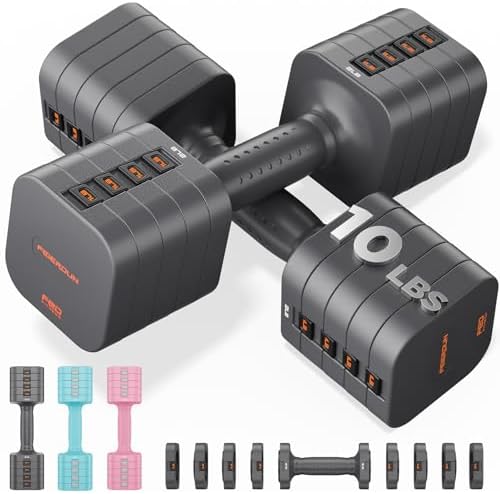
Light adjustable dumbbells for easy home workouts
A compact 5-in-1 set is perfect for beginners: switch weights in seconds and follow simple routines in your living room.
Pregnancy, fertility and obesity
Obesity can make it harder to get pregnant and raises the risk of complications such as gestational diabetes, high blood pressure in pregnancy and preeclampsia. Many women also find it hard to lose weight gained during pregnancy, and each pregnancy can add a few pounds that stay.
If you are planning a pregnancy, losing some weight beforehand can help, but crash diets are not recommended. Talk to your doctor or OB-GYN about a safe plan. GLP-1 weight loss medicines are not used during pregnancy, and women planning to conceive should discuss when to stop them.
Menopause and weight gain
Many women notice weight gain and a thicker waist in their late 40s and 50s. A major long-term US study (SWAN) found that at the start of the menopause transition the rate of fat gain doubled, while lean muscle mass began to decline, and these changes continued until about two years after the final period. Poor sleep from hot flashes and changes in mood and energy add to the challenge.
Strength training, enough protein and good sleep become especially important at this stage. See our guides on weight loss for women over 40 and weight loss for women over 50.
Health risks of obesity for women
- Type 2 diabetes and high blood pressure
- Heart disease, the leading cause of death in American women
- Breast cancer after menopause and endometrial cancer
- Knee osteoarthritis
- Urinary incontinence
- Sleep apnea, which is often missed in women
- Depression and anxiety, worsened by weight stigma
Weight stigma deserves a mention: many women with obesity report feeling judged by doctors, which can delay care. You deserve respectful, evidence-based help.
A weight loss plan for women with obesity
US obesity guidelines suggest most women lose weight on about 1,200 to 1,500 calories a day, or with a deficit of about 500 to 750 calories a day. Women who are taller or very active may need more. Use our TDEE calculator to personalize your target.
- Protein first. About 25 to 30 g at each meal protects muscle and controls hunger.
- Strength train two to three times a week. Bands, dumbbells or bodyweight moves all work.
- Move daily. Walking, cycling or water exercise; start with 10 minutes and build up.
- Fill half your plate with vegetables and choose whole grains and beans for fiber.
- Plan for cravings and stress. Keep easy high-protein snacks ready and find non-food ways to unwind.
- Protect your sleep. Aim for 7 to 9 hours.
A sample 1,400-calorie day
| Meal | Example | Protein |
|---|---|---|
| Breakfast | Greek yogurt parfait with berries and 1 tbsp chia seeds | about 25 g |
| Lunch | Turkey or tofu wrap with salad and hummus | about 30 g |
| Snack | Apple with 1 tbsp peanut butter or a protein shake | about 5–30 g |
| Dinner | 5 oz baked salmon or chicken, roasted vegetables, ½ cup quinoa | about 35 g |
| Total | About 1,400 calories | about 95–120 g |
More meal ideas in our obesity diet plan and beginner diet plan for women.
Medication and surgery: what women should know
GLP-1 medicines such as semaglutide (Wegovy) and tirzepatide (Zepbound) are effective for many women. A few points matter specifically for women:
- They are not used in pregnancy, and you should plan ahead with your doctor if you want to conceive.
- Tirzepatide can make birth control pills less effective, especially when starting or increasing the dose. Ask your doctor about using a backup or non-oral method.
- Weight loss can improve fertility, so unplanned pregnancies can happen.
Bariatric surgery is also an option for some women. Read our GLP-1 guide and surgery vs GLP-1 comparison.
Helpful tools for home workouts
These are common, inexpensive options that some people find helpful. We have not personally tested these products. Links go to Amazon so you can check current prices and reviews.
BEST FOR STRENGTH AT HOME
WHATAFIT Resistance Bands with Handles
A full set of bands with handles, door anchor and ankle straps for gentle, effective strength training at home.
Pros
- Low cost
- Several resistance levels
- Joint-friendly
Cons
- Harder to track progress than weights

BEST FOR WALKING AT HOME
UREVO Incline Walking Pad
Walk while you watch TV or work, and add incline to burn more calories without running.
Pros
- Low impact
- Incline option
- Compact
Cons
- Not designed for running

BEST HIGH-CAPACITY SCALE
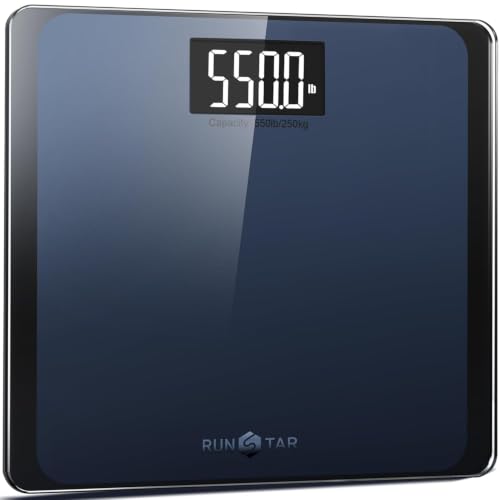
RunStar 550 lb Bathroom Scale
A wide, stable platform and high weight limit for comfortable, accurate weigh-ins.
Pros
- 550 lb capacity
- Wide platform
- Easy to read
Cons
- Weight only
Keep reading
Frequently asked questions
Why is it harder for women to lose weight?
Women usually have less muscle and lower calorie needs than men, so the same deficit takes longer. Hormonal changes from PCOS, pregnancy and menopause can also add challenges.
How many calories should an obese woman eat to lose weight?
Many women lose weight on about 1,200 to 1,500 calories a day, but taller or more active women may need more. Avoid going very low without medical supervision.
Does PCOS make you gain weight?
PCOS is linked to insulin resistance, which makes weight gain easier. Losing 5% to 10% of body weight can improve symptoms.
Why do women gain belly fat during menopause?
Falling estrogen shifts fat storage toward the belly, and fat gain speeds up during the menopause transition while muscle declines.
Can I take GLP-1 drugs if I want to get pregnant?
They are not used in pregnancy. Talk to your doctor about when to stop before trying to conceive.
Sources
- CDC National Center for Health Statistics. Obesity and severe obesity prevalence in adults: United States, August 2021–August 2023. NCHS Data Brief No. 508.
- Teede HJ, et al. Recommendations from the 2023 international evidence-based guideline for the assessment and management of polycystic ovary syndrome. J Clin Endocrinol Metab. 2023.
- Lim SS, et al. Lifestyle changes in women with polycystic ovary syndrome. Cochrane Database Syst Rev. 2019.
- Greendale GA, et al. Changes in body composition and weight during the menopause transition. JCI Insight. 2019.
- Jensen MD, et al. 2013 AHA/ACC/TOS guideline for the management of overweight and obesity in adults. Circulation. 2014.
This article is for general information only and is not medical advice. See our Medical Disclaimer.