
8 Standing Exercises to Burn Belly Fat at Home (No Floor Work)
By WellnessVigor · Updated October 12, 2026 · 9 min read
This article contains affiliate links. If you buy through them, we may earn a small commission at no extra cost to you. Learn more.
Floor exercises like crunches and planks are hard for many people, especially beginners, people with more weight to lose, and anyone with sore knees or a stiff back. The good news: you can build a strong core and burn calories without ever getting down on the floor.
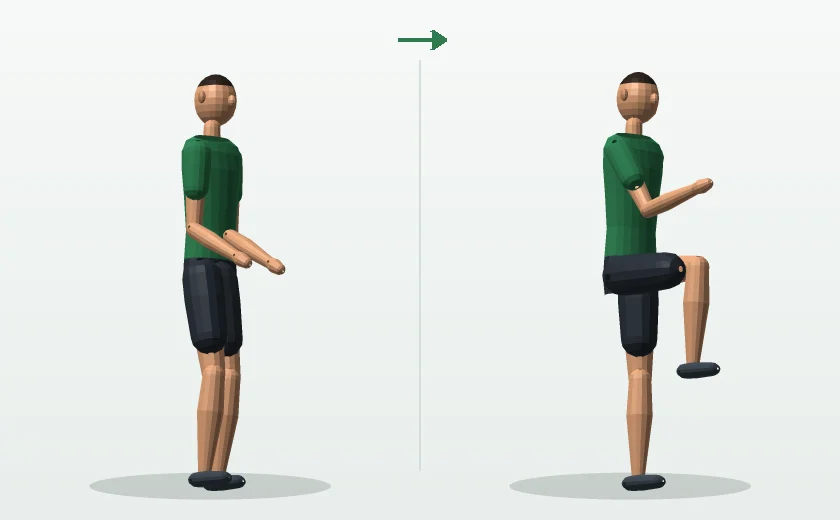
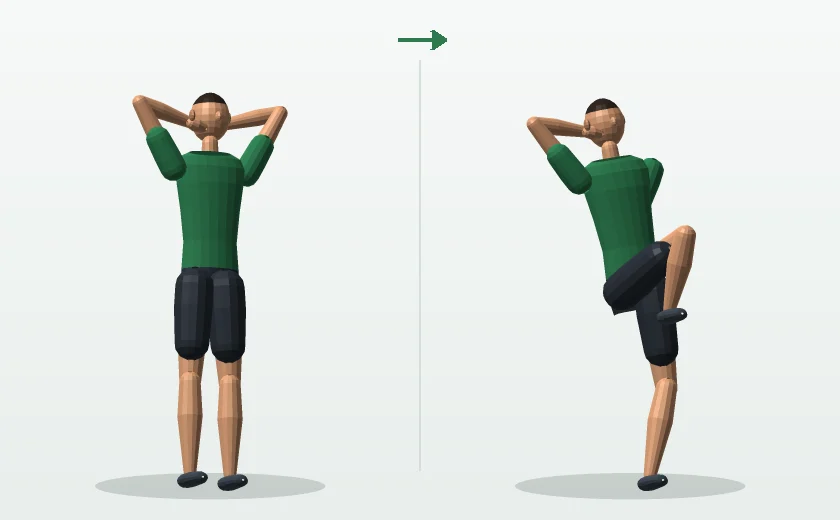
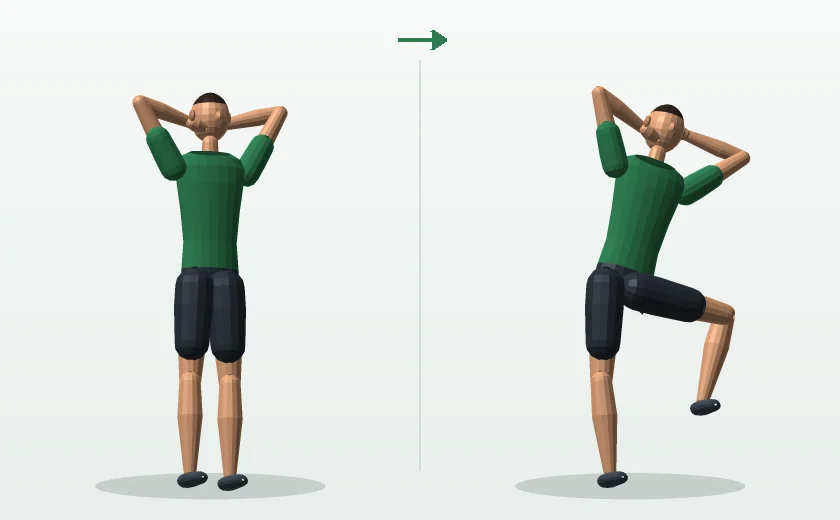
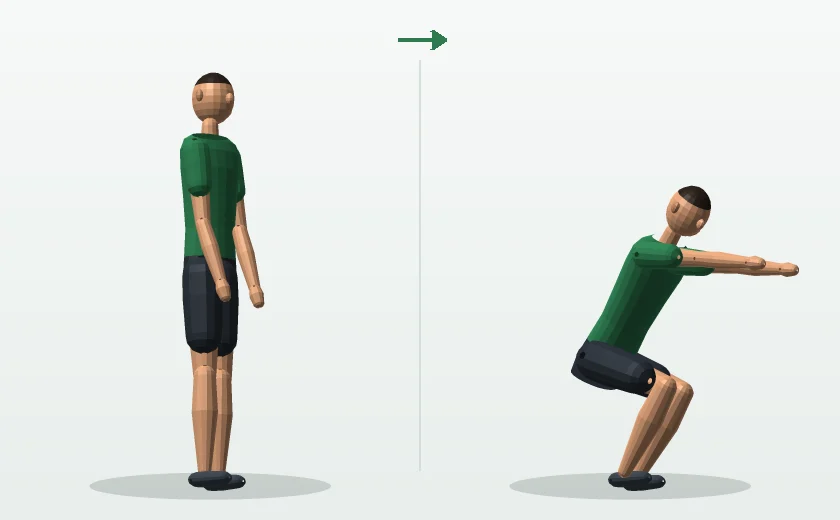
Below are 8 simple standing exercises, each with a picture of the start and finish position, step-by-step instructions and beginner tips, plus a 20-minute routine you can do in your living room.
Quick answer
You cannot burn fat from your belly alone, but these 8 standing exercises raise your heart rate, work your core and legs, and help you lose overall body fat, including belly fat, when combined with a calorie deficit, daily walking and good sleep. Do the routine 3 to 4 times a week for about 20 minutes.
Table of Contents
ToggleCan you burn belly fat with exercise?
Here is the honest truth: you cannot “spot reduce” fat from your belly by working your stomach muscles. When you lose weight, your body decides where fat comes off first, and belly fat goes as your overall body fat drops. What exercise can do is burn calories, build muscle, strengthen your core and help reduce harmful visceral fat over time, especially combined with a calorie deficit.
That is why this routine mixes cardio-style moves that raise your heart rate with standing core and leg exercises. Learn more in why belly fat is harder to lose after 40 and why you might not be losing weight in a calorie deficit.
Why standing exercises?
- No getting up and down from the floor, which is hard for many beginners, people with more weight to lose and those with back or knee problems.
- Quiet and small-space friendly: no jumping needed.
- Works your core as it stabilises you while standing.
- Easy to fit in: you can do a round in your work clothes.
Before you start
- Warm up for 3 minutes: march slowly, roll your shoulders and do gentle side bends.
- Wear supportive shoes and clear some space.
- Breathe steadily; never hold your breath.
- If you have heart disease, high blood pressure, joint problems, are pregnant or have not exercised for a long time, check with your doctor first.
Want a full 35-day plan with workouts and simple meals? 35 Days to a Leaner You takes you step by step from your first workout to lasting habits.
One exercise bike, and the whole family gets fitter
Skip the gym fees and the commute. A quiet magnetic bike lets everyone at home ride while watching TV, in any weather. Twenty to thirty minutes a day adds up to real calories burned.

1. High-Knee March
How to do it:
- Stand tall with feet hip-width apart and arms bent at your sides.
- Lift one knee towards hip height while swinging the opposite arm forward.
- Lower it with control and repeat on the other side, keeping a steady rhythm.
- Brace your stomach muscles gently and avoid leaning back.
Reps: 30 to 45 seconds
Beginner tip: Lift your knees only as high as feels comfortable. Speed up to a light jog on the spot when you feel ready.
Works: core, hip flexors, legs, heart and lungs
2. Standing Cross-Body Crunch
How to do it:
- Stand with feet hip-width apart and hands lightly behind your head, elbows wide.
- Lift one knee up and across your body while bringing the opposite elbow down towards it.
- Squeeze your side abs, then return to the start.
- Alternate sides with a smooth, controlled rhythm.
Reps: 10 to 12 per side
Beginner tip: Do not pull on your neck. If touching is hard, bring the elbow and knee only as close as is comfortable.
Works: obliques (side abs), deep core, hip flexors
3. Standing Side Crunch
How to do it:
- Stand with feet wide and hands behind your head.
- Lift one knee out to the side while bending your torso sideways to bring the same-side elbow down towards it.
- Return to standing and repeat on the same side, then switch.
- Keep your chest facing forward throughout.
Reps: 10 to 12 per side
Beginner tip: Hold a chair or wall with one hand for balance if needed.
Works: obliques, hips, balance
4. Bodyweight Squat
How to do it:
- Stand with feet shoulder-width apart, toes slightly turned out.
- Push your hips back and bend your knees as if sitting into a chair, reaching your arms forward for balance.
- Keep your chest up and heels on the floor.
- Push through your whole foot to stand back up.
Reps: 12 to 15
Beginner tip: Squat to a chair and lightly tap it before standing. Go only as low as is pain-free for your knees.
Works: thighs, glutes and core; large muscles burn more energy
5. Low-Impact Step Jack
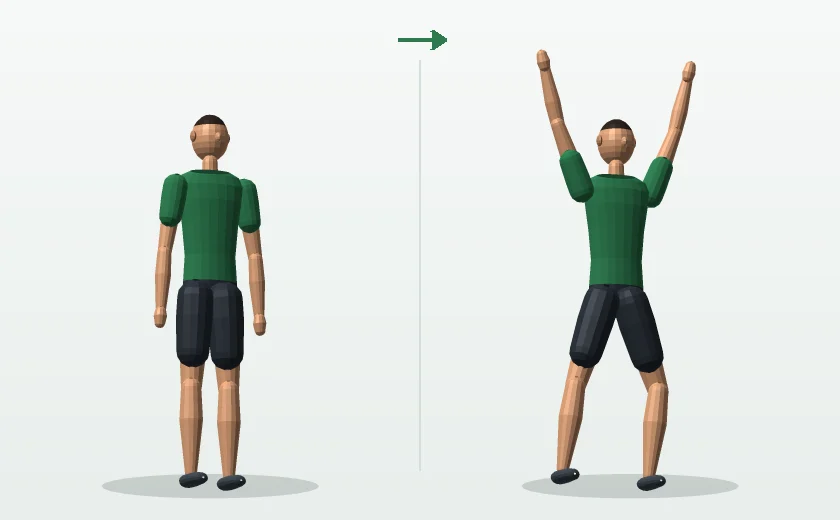
How to do it:
- Stand with feet together and arms by your sides.
- Step one foot out to the side while raising both arms overhead.
- Bring the foot back in and lower your arms.
- Alternate sides. This is a quiet, joint-friendly version of jumping jacks.
Reps: 30 to 45 seconds
Beginner tip: Keep the pace steady; you should be breathing harder but still able to talk.
Works: whole body, shoulders, heart and lungs
6. Standing Wood Chop
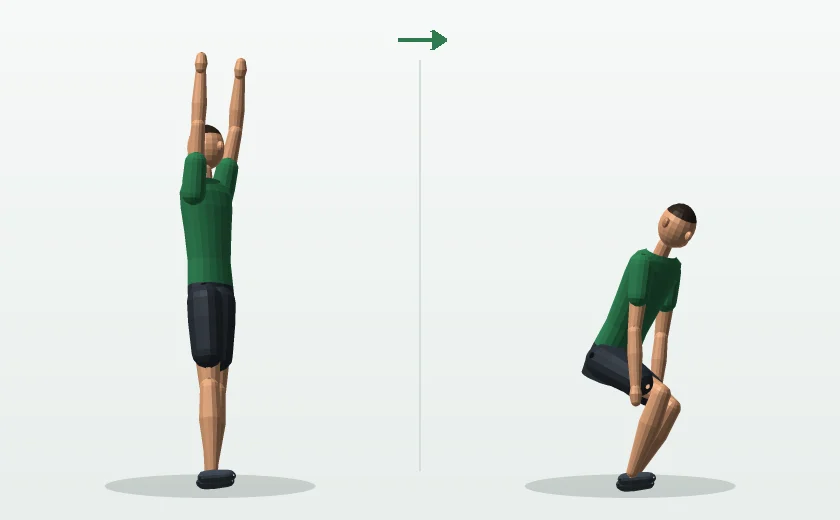
How to do it:
- Stand with feet wider than hips, hands clasped together.
- Raise your hands up and to one side, above your shoulder.
- In one controlled motion, bend your knees and “chop” your hands down diagonally towards the opposite knee, rotating your torso.
- Return to the top. Finish all reps, then switch sides.
Reps: 10 to 12 per side
Beginner tip: Start slowly without weight. Later, you can hold a light dumbbell with both hands.
Works: obliques, core rotation, shoulders, legs
7. Standing Punches
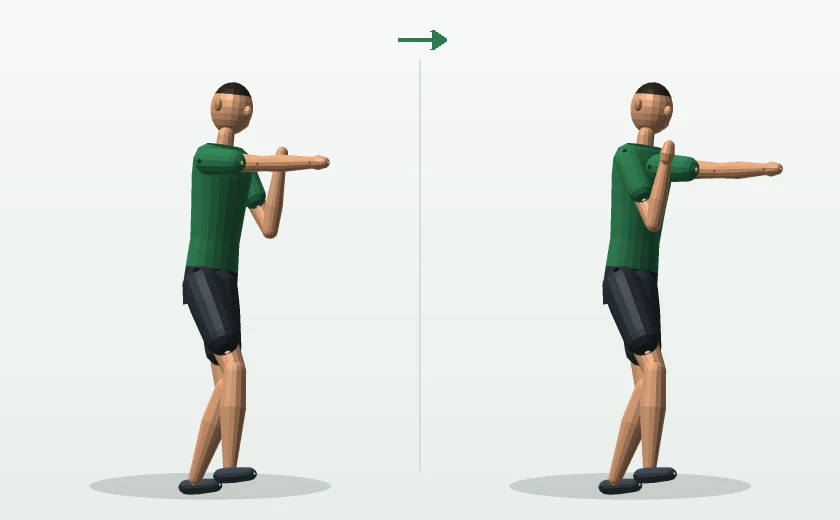
How to do it:
- Stand in a staggered stance, knees soft, fists up near your chin.
- Punch one arm straight forward, rotating slightly through your torso.
- Pull it back quickly and punch with the other arm.
- Keep your core tight and breathe out with each punch.
Reps: 30 to 45 seconds
Beginner tip: Do not lock your elbows. Control matters more than speed.
Works: core, shoulders, arms, heart and lungs
8. Reverse Lunge
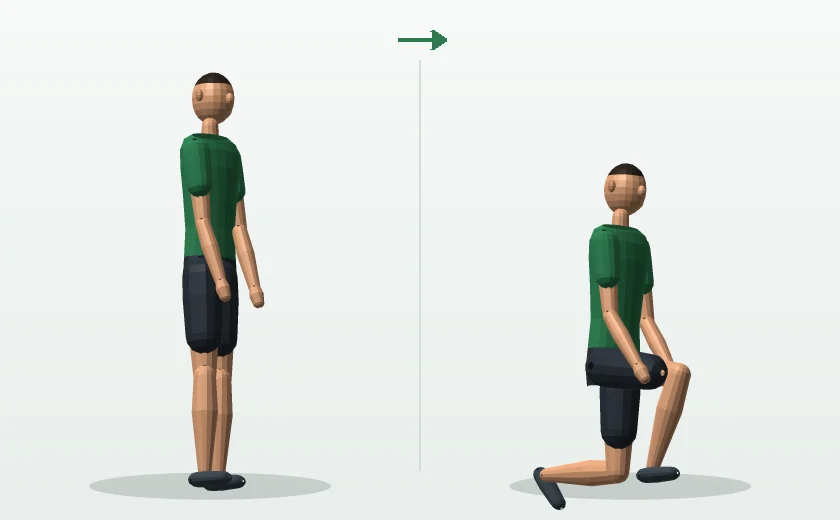
How to do it:
- Stand tall with feet hip-width apart.
- Step one foot back and lower your back knee towards the floor until both knees are bent.
- Keep your front knee over your ankle and your chest up.
- Push through your front foot to return to standing. Alternate legs.
Reps: 8 to 10 per leg
Beginner tip: Hold a chair for balance and take shorter steps at first.
Works: glutes, thighs, core stability
Your 20-minute standing belly fat workout
Do each exercise for the time or reps shown, rest 20 to 30 seconds, and move to the next. That is one round.
- Beginners: 2 rounds, 3 days a week
- Intermediate: 3 rounds, 3 to 4 days a week
- Progress: add a round, shorten rest, or add light dumbbells to squats, lunges and wood chops
On other days, walk. Daily walking is one of the best fat-loss habits; see how many steps a day you need. Feeling sore after your first sessions is normal. Read why your muscles hurt after a new workout.
Simple equipment that helps
You can do this whole routine with no equipment. These affordable extras make it more comfortable and help you progress. Prices change often, so check current prices on Amazon.
BEST FOR COMFORT AND GRIP
Gaiam Essentials Thick Yoga Mat
A thick, cushioned mat gives your feet grip and comfort during marches, squats and lunges, especially on hard floors.
Pros
- Extra cushioning
- Affordable
- Carry strap on many versions
Cons
- Thick mats can feel less stable for balance moves

BEST FOR PROGRESSING
Amazon Basics Neoprene Dumbbell Hand Weights
Light dumbbells (1 to 5 kg) let you add challenge to squats, lunges and wood chops as you get stronger.
Pros
- Low price
- Comfortable coating
- Many weights
Cons
- You will outgrow very light pairs

BEST FOR GLUTES AND LEGS
Fit Simplify Resistance Loop Exercise Bands
Loop bands around the thighs make squats, side steps and marches harder for your glutes and hips.
Pros
- Very affordable
- Several resistance levels
- Easy to store
Cons
- Can roll up during some moves

BEST FOR TRACKING ACTIVITY
Fitbit Inspire 3
A simple tracker that counts steps and active minutes, helping you stay consistent with workouts and daily walking.
Pros
- Simple and lightweight
- Tracks steps and sleep
- Long battery life
Cons
- Some features need a subscription

Pair your workouts with these habits
- A modest calorie deficit: use our TDEE calculator.
- Protein at every meal: see how much protein you need.
- 7+ hours of sleep: short sleep raises hunger. See can poor sleep make you gain weight?
- Less alcohol and fewer sugary drinks.
Keep reading
Frequently asked questions
Can standing exercises reduce belly fat?
How long does it take to lose belly fat with exercise?
Are standing ab exercises as good as crunches?
How often should I do this workout?
Is this workout safe for beginners and people over 40?
Sources
This article is for general information only and is not medical advice. See our Medical Disclaimer.