
How to Create the Perfect Sleep Environment: Temperature, Light and Sound
By WellnessVigor · Updated October 15, 2026 · 7 min read
This article contains affiliate links. If you buy through them, we may earn a small commission at no extra cost to you. Learn more.
Your bedroom can either help you sleep or quietly work against you. Heat, streetlight, a flickering standby light or a neighbor’s TV can all wake you briefly through the night, even if you don’t remember it.
This guide covers the three biggest factors, temperature, light and sound, plus bedding and air, so you can set up a room built for deep sleep.
Quick answer
The ideal sleep environment is cool, dark and quiet. Many people sleep best with a bedroom around 60–67°F (16–19°C), breathable bedding, blackout curtains or a sleep mask, and earplugs, a fan or white noise to mask sudden sounds. Research shows heat and humidity increase wakefulness and reduce deep and REM sleep, and even moderate light during sleep raised heart rate and insulin resistance in a lab study.
Table of Contents
ToggleTemperature: keep it cool
Your core body temperature drops as you fall asleep. A review in the Journal of Physiological Anthropology found that heat exposure increases wakefulness and decreases slow-wave and REM sleep, and humidity makes it worse. Bedding and nightwear matter as much as room temperature.
- Aim for roughly 60–67°F (16–19°C), adjusting for comfort.
- Use breathable cotton, linen or moisture-wicking sheets.
- Use a fan or air conditioning in hot weather.
- Take a warm shower 1–2 hours before bed to help your body cool afterward.
If you often overheat, see why you get so hot when you sleep and our cooling pillows and sheets guide.
Light: as dark as possible
In a Northwestern University study, sleeping one night with a moderate room light on raised nighttime heart rate and next-morning insulin resistance compared with sleeping in near darkness. In a large study of women, sleeping with a TV or light on was linked to weight gain over time.
- Use blackout curtains or a sleep mask.
- Cover or remove LED standby lights.
- Use a dim, warm night light low to the floor if you need one.
- Keep phones face down or out of the room.
Sound: quiet or consistent
- Sudden noises cause brief awakenings, even if you don’t remember them.
- Foam or silicone earplugs block a lot of noise.
- White noise or a fan masks variable sounds like traffic or snoring.
See our earplugs and white noise guide.
Want a simple, step-by-step plan to sleep better? The 14-Day Sleep Reset guide walks you through fixing your schedule, evening routine and bedroom, one day at a time.
Low-dose 3 mg melatonin gummies
A gentler dose for occasional sleepless nights, jet lag or getting back on schedule after the weekend.
Good to know: Avoid in pregnancy and check with your doctor if you take blood thinners, diabetes or epilepsy medicines.

Bedding and comfort
- A supportive mattress: medium-firm helped back pain in research. See our mattress guide.
- A pillow that keeps your neck aligned: see our pillow guide.
- Layers you can adjust through the night: see our blanket guide.
Air and clutter
- Air the room before bed; consider a purifier if allergies disturb your sleep.
- Keep humidity comfortable, roughly 30–50%.
- A tidy, calm room helps your brain associate it with rest.
- Keep work and screens out of the bedroom where possible.
Products for a better sleep environment
These are common, inexpensive options that some people find helpful. We have not personally tested these products. Links go to Amazon search results so you can compare current options and prices.
BEST FOR DARKNESS
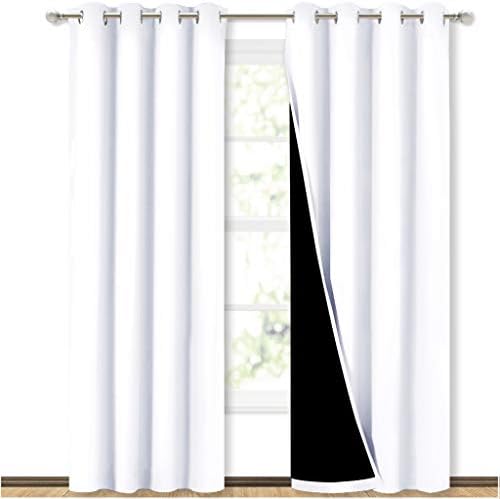
Blackout Curtains
Block streetlight and early sunrise. See our blackout curtain guide.
Pros
- Blocks outside light
- Helps with heat
- Long-lasting
Cons
- Sizing
- Edge light leaks
BEST FOR NOISE
White Noise Machine
Masks sudden noises that interrupt sleep.
Pros
- Masks noise
- Many sounds
- No phone
Cons
- Some prefer silence
- Cheap models loop

BEST FOR COOLING
Quiet Tower Fan
Cools the room and adds gentle background sound.
Pros
- Cooling
- White noise effect
- Affordable
Cons
- Can dry eyes
- Noise varies

BEST FOR AIR QUALITY
HEPA Air Purifier
Reduces dust and allergens that can disturb sleep for allergy sufferers.
Pros
- Filters allergens
- Quiet sleep modes
- Background hum
Cons
- Filter replacements
- Size must match the room

Keep reading
Frequently asked questions
What is the best room temperature for sleep?
Many people sleep best between about 60 and 67°F (16–19°C), but comfort varies with bedding and personal preference..
Should my bedroom be completely dark?
As dark as is practical. Research shows even moderate light during sleep can affect heart rate and metabolism.
Is white noise good for sleep?
It can help mask disruptive sounds. Keep the volume moderate.
Does humidity affect sleep?
Yes. High heat and humidity increase wakefulness. Very dry air can irritate airways.
Should I keep my phone out of the bedroom?
If possible, yes. It removes light, notifications and the temptation to scroll.
Sources
- Okamoto-Mizuno K, Mizuno K. Effects of thermal environment on sleep and circadian rhythm. J Physiol Anthropol. 2012.
- Mason IC, et al. Light exposure during sleep impairs cardiometabolic function. PNAS. 2022.
- Park YM, et al. Association of exposure to artificial light at night while sleeping with risk of obesity in women. JAMA Intern Med. 2019.
- Kovacs FM, et al. Effect of firmness of mattress on chronic non-specific low-back pain. Lancet. 2003.
This article is for general information only and is not medical advice. See our Medical Disclaimer.