
Is It Bad to Sleep With the TV On? What Research Says About Light and Noise at Night
By WellnessVigor · Updated October 14, 2026 · 7 min read
This article contains affiliate links. If you buy through them, we may earn a small commission at no extra cost to you. Learn more.
For many people, falling asleep to the TV feels comforting. The familiar voices block out silence and stop your mind from racing. But a TV left on all night fills your bedroom with changing light and sound while you sleep.
Here’s what research says about light and noise during sleep, how they may affect weight and metabolism, and how to keep the comfort without the downsides.
Quick answer
Sleeping with the TV on regularly is probably not good for you. In a study of nearly 44,000 women, sleeping with a TV or light on in the room was linked to a higher risk of gaining 5 kg or more and becoming obese over about 6 years. In a lab study, one night of moderate room light during sleep raised night-time heart rate and next-morning insulin resistance. Use a sleep timer, keep the room dark, or switch to white noise or audio without a screen.
Table of Contents
ToggleLight at night and weight gain
In the Sister Study, researchers followed 43,722 US women aged 35–74 who were not shift workers. Compared with women who slept in darkness, those who slept with a television or light on in the room were more likely to gain 11 lb (5 kg) or more and to develop obesity over roughly 5.7 years, even after accounting for diet, physical activity and sleep length. It’s an observational study and included only women, so it can’t prove cause and effect, but the link was consistent.
What light does to your body during sleep
In a Northwestern University lab study, healthy adults slept one night in dim light and one night with moderate overhead light (about 100 lux, similar to a dim room light). With the light on, their heart rate stayed higher during the night, their nervous system was more activated and they were more insulin resistant the next morning. A TV gives off constantly changing light, often bright and blue-rich, which can also suppress melatonin and shift your body clock later.
Noise and broken sleep
Sudden changes in volume, music and dialogue can cause brief awakenings you may not remember, fragmenting your sleep. Many people also wake up when the TV switches off or shows get loud, then struggle to fall back asleep.
Want to fall asleep without needing the TV? The 14-Day Sleep Reset guide helps you build a calming routine that works on its own.
Low-dose 3 mg melatonin gummies
A gentler dose for occasional sleepless nights, jet lag or getting back on schedule after the weekend.
Good to know: Avoid in pregnancy and check with your doctor if you take blood thinners, diabetes or epilepsy medicines.

Why people sleep with the TV on
- Silence feels uncomfortable or lonely.
- It distracts from anxious thoughts.
- It masks outside noise.
- It’s become a habit or sleep cue.
All of these needs can be met in ways that don’t involve light.
Better ways to fall asleep
- Use the sleep timer so the TV switches off after 30–45 minutes.
- Dim the screen and turn on night mode if you must watch in bed.
- Switch to audio only: a podcast, audiobook or calm music with a timer.
- Try white noise or a fan for steady background sound.
- Practice a relaxation method such as the military sleep method.
- Move TV watching out of bed gradually, so your bed becomes a cue for sleep.
Products that help you sleep without the TV
These can replace the TV’s comfort without the light. We have not personally tested these products. Links go to Amazon search results so you can compare options and prices.
BEST TV REPLACEMENT
White Noise Machine
Steady, consistent sound masks silence and outside noise without the light or sudden volume changes of a TV.
Pros
- Constant, non-distracting sound
- Many sound options
- Timer settings on many models
Cons
- Some prefer spoken audio
- Cheap models may loop

BEST FOR LISTENING IN BED
Sleep Headphones Headband
A soft headband with thin speakers lets you listen to podcasts or audiobooks lying on your side, without a screen.
Pros
- Comfortable for side sleepers
- Doubles as an eye cover
- Doesn’t disturb a partner
Cons
- Sound quality is basic
- Needs charging

BEST FOR TOTAL DARKNESS
Contoured Sleep Mask
If a partner keeps the TV on, a sleep mask blocks the flickering light. See our sleep mask guide.
Pros
- Cheap
- Blocks light completely
- Portable
Cons
- Fit varies
- Some find masks uncomfortable

BEST FOR A DARK BEDROOM
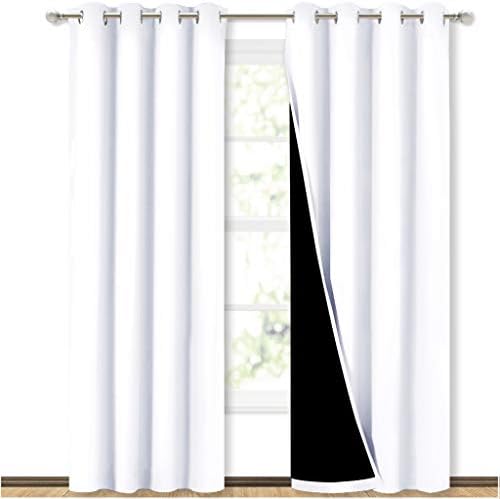
Blackout Curtains
Removing streetlight and early sunrise makes the bedroom properly dark once the TV is off.
Pros
- Blocks outside light
- Can reduce noise
- Long-lasting
Cons
- Need correct sizing
- Can make waking harder without a light alarm
Keep reading
Frequently asked questions
Does sleeping with the TV on cause weight gain?
Research links sleeping with a TV or light on to a higher risk of weight gain, but it can’t prove the TV is the direct cause. Light during sleep does affect heart rate and insulin resistance in lab studies.
Is it OK to fall asleep to the TV if it turns off?
Using a sleep timer is much better than leaving it on all night. Keep the screen dim and the content calm.
Is sleeping with a night light bad?
A very dim, warm night light low to the floor is unlikely to cause problems for most people. Bright or overhead lights are more of a concern.
Why can’t I sleep without the TV?
It’s often a learned habit or a way to block anxious thoughts or silence. Replacing it gradually with audio or white noise usually works.
Is listening to a podcast better than TV for sleep?
Generally yes, because it removes the light. Choose calm content and use a timer.
Sources
- Park YM, et al. Association of exposure to artificial light at night while sleeping with risk of obesity in women. JAMA Intern Med. 2019.
- Mason IC, et al. Light exposure during sleep impairs cardiometabolic function. PNAS. 2022.
- Chang AM, et al. Evening use of light-emitting eReaders negatively affects sleep, circadian timing, and next-morning alertness. PNAS. 2015.
This article is for general information only and is not medical advice. See our Medical Disclaimer.