
Weight Loss Tips for Women Over 40: A Beginner’s Step-by-Step Guide
By WellnessVigor · Updated October 15, 2026 · 8 min read
This article contains affiliate links. If you buy through them, we may earn a small commission at no extra cost to you. Learn more.
Many women notice that the habits that kept their weight steady in their 20s and 30s stop working around 40. Clothes fit differently, weight settles around the middle and the scale moves more slowly. That isn’t a lack of willpower. Hormones, muscle mass, sleep and busy schedules all change in this decade.
This beginner guide explains what changes after 40 and gives you a simple, step-by-step plan that fits real life.
Quick answer
To lose weight after 40, focus on a modest calorie deficit, protein at every meal, strength training 2–3 times a week, daily walking and 7+ hours of sleep. Research shows that during the menopause transition the rate of fat gain roughly doubles and lean muscle starts to decline, and fat shifts toward the belly. Building muscle and eating enough protein help counter these changes.
Table of Contents
ToggleWhat changes after 40?
- Hormones: as estrogen falls during perimenopause and menopause, fat tends to move from the hips toward the belly. In one study, only women who became postmenopausal had a significant increase in visceral (deep belly) fat.
- Muscle: in the large SWAN study, the rate of fat gain doubled at the start of the menopause transition while lean mass began to decline.
- Energy use: daily energy expenditure and physical activity tend to fall in the years before menopause.
- Sleep: hot flashes, stress and night waking can disrupt sleep, which affects hunger. See how poor sleep can make you gain weight.
For more on the midsection specifically, read why belly fat is harder to lose after 40.
Step 1: Eat in a small calorie deficit
A gradual loss of about 1–2 pounds a week is the pace the CDC recommends, and it’s easier to maintain. Rather than crash dieting, trim portions of energy-dense foods and fill half your plate with vegetables. If you’re eating less but not losing, see why you may not be losing weight in a calorie deficit.
Step 2: Put protein at the center of every meal
Higher-protein diets help with fullness and with keeping muscle while you lose fat, according to a review in the American Journal of Clinical Nutrition. Aim for a palm-sized portion (or more) of protein at each meal: eggs, Greek yogurt, fish, chicken, tofu, beans or lentils. See how much protein you need to lose weight and these high-protein breakfast ideas.
Want a done-for-you plan? 35 Days to a Leaner You combines a 35-day low-carb meal plan with simple home workouts, so you know exactly what to eat and how to move each day.
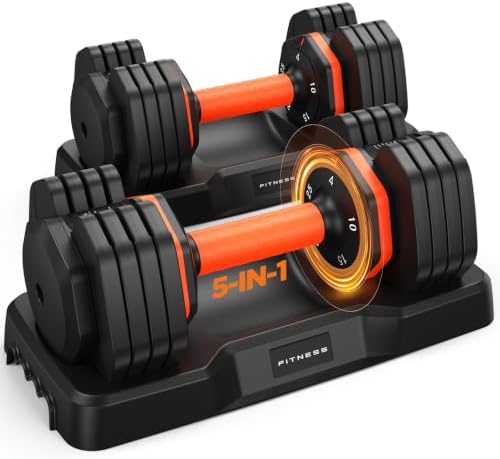
A complete home gym in one pair of dumbbells
Adjustable 5-in-1 dumbbells replace a full rack, so beginners and experienced lifters in your family can train with the same set. Strength training protects muscle while you lose fat.
Step 3: Start strength training
Strength training is the most direct way to counter age-related muscle loss. A review of 58 trials found that resistance training reduced body fat percentage and visceral fat compared with no exercise. Start with 2 full-body sessions a week using bodyweight or light dumbbells. Our beginner dumbbell routine and standing thigh exercises are good starting points.
Step 4: Walk every day
Walking adds steady calorie burn without stressing your joints and helps with blood sugar and mood. Build up gradually toward 7,000–10,000 steps. See how many steps a day help with weight loss.
Step 5: Protect your sleep and manage stress
Aim for 7 or more hours of sleep on a regular schedule. Keep the bedroom cool if night sweats wake you, limit alcohol, and build a short wind-down routine. Long-term stress can also make cravings harder to manage: see how to lower cortisol naturally.
A simple week to get started
- Mon: 20-minute strength workout + 20-minute walk
- Tue: 30–40 minute walk
- Wed: rest or gentle stretching
- Thu: 20-minute strength workout + walk
- Fri: 30–40 minute walk
- Weekend: one longer walk, meal prep for the week
Talk to your doctor before starting if you have health conditions, and about menopause symptoms that affect your sleep or wellbeing.
Helpful tools for weight loss after 40
These are common, inexpensive options that some people find helpful. We have not personally tested these products. Links go to Amazon search results so you can compare current options and prices.
BEST FOR STRENGTH TRAINING AT HOME
Adjustable Dumbbells
One adjustable pair lets you start light and increase weight as you get stronger, without filling your home with equipment.
Pros
- Saves space
- Grows with you
- Covers most beginner moves
Cons
- Higher upfront cost
- Some models are bulky

BEST FOR PROTEIN
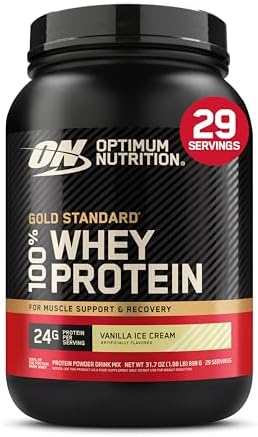
Unflavored or Vanilla Protein Powder
A scoop in a smoothie or oatmeal is an easy way to reach your protein target on busy mornings. See our protein supplement buying guide.
Pros
- Convenient
- Helps hit protein goals
- Many dairy-free options
Cons
- Not essential if you eat enough protein
- Check for added sugar
BEST FOR TRACKING PROGRESS
Smart Body Fat Scale
Weekly averages show your trend more clearly than single weigh-ins. Compare options in our smart scale guide.
Pros
- Tracks trends
- Syncs with apps
- Estimates body fat
Cons
- Body fat readings are estimates
- Daily weight fluctuates

BEST FOR DAILY STEPS
Fitness Tracker
A simple tracker helps you see your step count and build up gradually.
Pros
- Tracks steps and sleep
- Move reminders
- Affordable options
Cons
- Estimates only
- Needs charging

Keep reading
Frequently asked questions
Why is it harder to lose weight after 40?
Falling estrogen, gradual muscle loss, lower daily activity and poorer sleep all make weight loss slower. The basics still work, but strength training and protein matter more.
How fast can a woman over 40 lose weight?
About 1–2 pounds a week is a realistic, sustainable goal. Some weeks will be slower, especially around your menstrual cycle..
Is cardio or strength training better after 40?
Both help, but strength training is especially important for keeping muscle. Combine 2–3 strength sessions with daily walking.
Do I need to cut carbs after 40?
Not necessarily. Studies show low-carb and low-fat diets lead to similar weight loss when calories are controlled. Choose the approach you can stick with.
Can menopause cause weight gain even if I eat the same?
Yes. Body composition shifts toward more fat and less muscle, and activity often drops, so the same intake can lead to gradual gain.
Sources
- Greendale GA, et al. Changes in body composition and weight during the menopause transition. JCI Insight. 2019.
- Lovejoy JC, et al. Increased visceral fat and decreased energy expenditure during the menopausal transition. Int J Obes. 2008.
- Leidy HJ, et al. The role of protein in weight loss and maintenance. Am J Clin Nutr. 2015.
- Wewege MA, et al. The effect of resistance training in healthy adults on body fat percentage, fat mass and visceral fat. Sports Med. 2022.
- CDC. Losing weight.
This article is for general information only and is not medical advice. See our Medical Disclaimer.