
Weight Loss for Programmers and Gamers: How to Lose Weight When You Live at a Screen
By WellnessVigor · Updated October 15, 2026 · 9 min read
This article contains affiliate links. If you buy through them, we may earn a small commission at no extra cost to you. Learn more.
Software developers, designers, data analysts and gamers share the same problem: deep focus on a screen for hours. When you are in the zone, you do not notice that you have not stood up since lunch, or that a family-size bag of chips is empty.
The good news is that programmers are good at systems. Treat weight loss like one: defaults, timers and simple rules instead of willpower.
Quick answer
Work in focus blocks of 50–90 minutes and stand for 3–5 minutes between them, keep snacks out of reach of your keyboard, set a daily step target (7,000–10,000), drink water instead of energy drinks, stop caffeine by early afternoon, and lift weights 2–3 times a week.
Table of Contents
ToggleWhy screen-heavy work leads to weight gain
- Hyper-focus: you skip breaks, and sometimes skip meals, then binge later.
- Mindless snacking while coding or gaming.
- Energy drinks and sugary coffee as fuel.
- Late nights and irregular sleep. Short sleep increases appetite.
- Almost no NEAT: everyday movement such as walking and standing is what separates naturally lean people from others. One study found lean people moved about 2 hours more per day, worth roughly 350 calories.
Use your focus blocks as a timer
You already work in sprints, tickets or matches. Attach movement to them:
- After every focus block (50–90 min): stand, walk, refill water.
- After every merged pull request, build or match: 10 squats.
- During CI runs or loading screens: calf raises or a quick stretch.
- Stand-up meetings: actually stand. Or walk during them.
Breaking up sitting with short walks lowers blood sugar and insulin after meals, which may also reduce the afternoon energy crash. See why you feel tired after lunch.
The 4-minute dev break
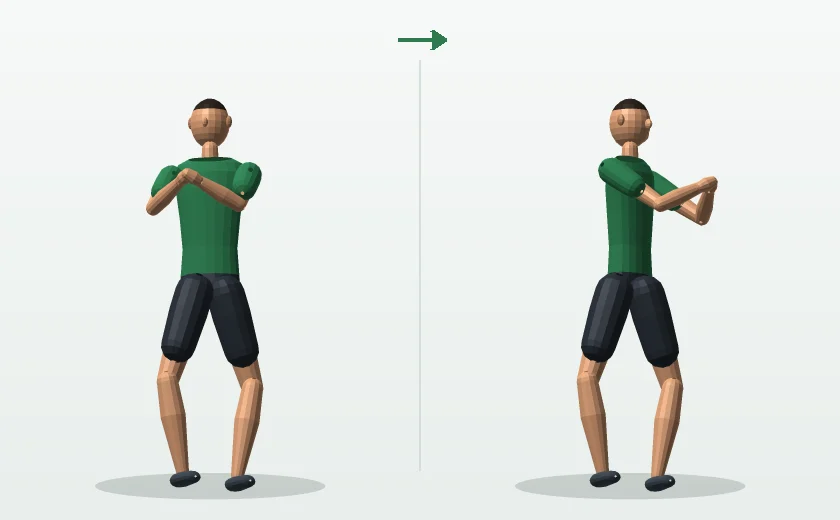
- Walk or march – 60 seconds
- Bodyweight squats – 12
- Wall or desk push-ups – 10
- Standing twist – 30 seconds
- Wrist and neck stretches – 30 seconds
Want a done-for-you plan? 35 Days to a Leaner You combines a 35-day low-carb meal plan with simple home workouts, so you know exactly what to eat and how to move each day.
One exercise bike, and the whole family gets fitter
Skip the gym fees and the commute. A quiet magnetic bike lets everyone at home ride while watching TV, in any weather. Twenty to thirty minutes a day adds up to real calories burned.

Snack rules for the desk
- Nothing within arm’s reach of your keyboard or controller.
- Portion first: put a serving in a bowl; never eat from the bag.
- Better defaults: popcorn, Greek yogurt, fruit, jerky, nuts in small portions, cut vegetables with hummus.
- Drinks: water, sparkling water, unsweetened tea or black coffee. Energy drinks only occasionally.
More ideas: healthy late-night snacks and how to stay in a calorie deficit without feeling hungry.
Ship a daily walk
Aim for 7,000–10,000 steps a day. A 2022 analysis of 15 studies found health risk kept falling up to around 8,000–10,000 steps for adults under 60. The easiest way to get there is a 20–30 minute walk you treat like a non-negotiable meeting — and podcasts or audiobooks make it easy. Thinking through a hard bug on a walk also works surprisingly well.
Lift weights: counteract the desk
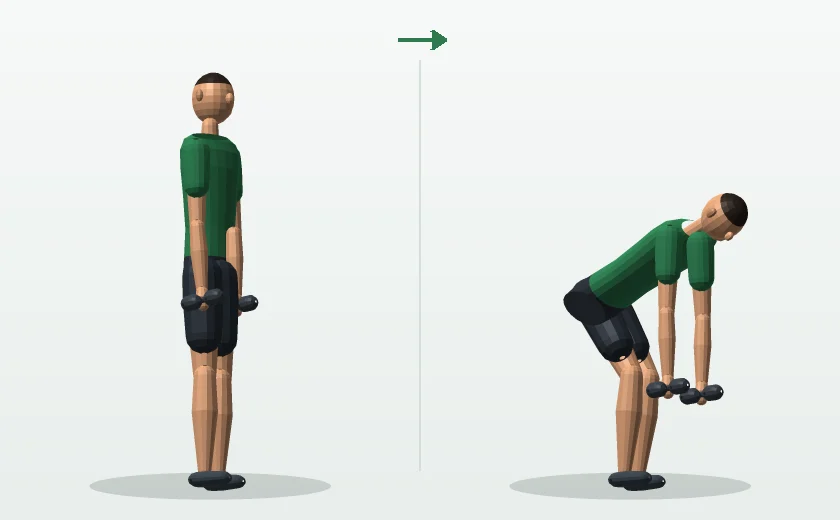
Long sitting weakens glutes and tightens hips and chest. Two or three strength sessions a week fix posture and help preserve muscle while you lose fat. A simple plan: squats, Romanian deadlifts, rows, push-ups or presses, and planks. Our dumbbell exercises for fat loss at home covers all of them.
Setup upgrades
These are common, inexpensive options that some people find helpful. We have not personally tested these products. Links go to Amazon so you can check current prices and reviews.
BEST FOR WALKING WHILE WORKING
Walking pad
Slow walking during reading, code review or meetings can add thousands of steps. See our walking pad guide.
Pros
- Compact
- Quiet at slow speed
Cons
- Typing while walking takes practice
- Needs a standing desk

BEST FOR STANDING
Standing desk converter
An affordable way to switch between sitting and standing without replacing your desk.
Pros
- Fits on existing desk
- Quick to adjust
Cons
- Less stable than a full desk
- Heavy

BEST FOR STRENGTH AT HOME
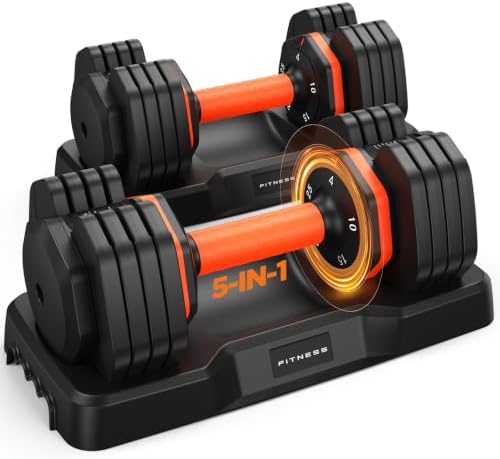
Adjustable dumbbells
One compact set covers a full strength routine next to your desk.
Pros
- Saves space
- Wide weight range
Cons
- Higher upfront price
- Adjustment takes a few seconds
Sleep like it matters (it does)
Late-night coding and gaming push sleep later and make you hungrier the next day. Set a hard stop time, dim your screens and avoid caffeine after about 2 pm. Read how to reduce screen time before bed and can poor sleep make you gain weight?
Keep reading
Frequently asked questions
How can programmers lose weight?
Use focus blocks as timers for short movement breaks, keep snacks away from your desk, walk daily, lift weights 2–3 times a week and protect your sleep.
Do gamers burn many calories?
Very few. Gaming is a seated activity, so energy use is close to resting. Breaks, daily walks and strength training make up the difference.
Are energy drinks bad for weight loss?
Sugary versions add calories that do not fill you up, and caffeine late in the day can cut sleep. Water, unsweetened tea or black coffee earlier in the day are better choices.
Sources
- Levine JA, et al. Interindividual variation in posture allocation: possible role in human obesity. Science. 2005.
- Dunstan DW, et al. Breaking up prolonged sitting reduces postprandial glucose and insulin responses. Diabetes Care. 2012.
- Paluch AE, et al. Daily steps and all-cause mortality: a meta-analysis of 15 international cohorts. Lancet Public Health. 2022.
This article is for general information only and is not medical advice. See our Medical Disclaimer.