
How to Create a Calorie Deficit Without Feeling Hungry All the Time
By WellnessVigor · Updated October 15, 2026 · 7 min read
This article contains affiliate links. If you buy through them, we may earn a small commission at no extra cost to you. Learn more.
Hunger is the number one reason people give up on weight loss. If you’re constantly thinking about food, no plan will last. The good news is that you can create a calorie deficit while still feeling reasonably full, by changing which foods you eat and how.
Quick answer
To eat in a calorie deficit without constant hunger, eat protein at every meal, fill up on low-calorie, high-volume foods like vegetables, fruit and broth soups, get plenty of fiber, limit ultra-processed foods and liquid calories, keep a regular meal schedule, sleep 7+ hours and keep the deficit moderate. In an NIH study, people ate about 500 extra calories a day on ultra-processed foods without feeling fuller.
Table of Contents
Toggle1. Make protein the base of every meal
Protein is the most filling nutrient per calorie and helps preserve muscle. Reviews show higher-protein diets improve appetite control and weight loss. See how much protein you need.
2. Eat more volume for fewer calories
Research on energy density shows that when foods contain more water and fiber, like vegetables, fruit and soups, people eat fewer calories while feeling just as satisfied. Start meals with a salad or broth soup, and bulk up dishes with vegetables.
3. Get plenty of fiber
Beans, lentils, oats, berries, apples, vegetables and whole grains slow digestion and keep you fuller.
Want a done-for-you plan? 35 Days to a Leaner You combines a 35-day low-carb meal plan with simple home workouts, so you know exactly what to eat and how to move each day.
A complete home gym in one pair of dumbbells
Adjustable 5-in-1 dumbbells replace a full rack, so beginners and experienced lifters in your family can train with the same set. Strength training protects muscle while you lose fat.

4. Cut back on ultra-processed foods
In an NIH inpatient study, the same people ate about 508 more calories a day on an ultra-processed diet than on an unprocessed diet matched for nutrients. Ultra-processed foods are easy to overeat because they’re soft, fast to eat and highly palatable.
5. Don’t drink your calories
Juices, sweet coffees, soda and alcohol add calories without filling you up.
6. Keep a moderate deficit
Very large deficits increase hunger. A modest deficit, enough for about 1–2 pounds a week, is easier to stick with.
7. Eat on a regular schedule
Long gaps between meals can lead to extreme hunger and overeating later. Many people do best with three meals and one planned snack.
8. Sleep more
Short sleep increases hunger hormones and cravings. Read how poor sleep can make you gain weight.
9. Separate hunger from habit
Before snacking, pause: are you hungry, bored, tired or stressed? See how to stop emotional eating at night and healthy late-night snacks.
Tools for filling, lower-calorie meals
These are common, inexpensive options that some people find helpful. We have not personally tested these products. Links go to Amazon search results so you can compare current options and prices.
BEST FOR VOLUME EATING
Soup Pot or Dutch Oven
Batch-cooked vegetable and bean soups are filling, cheap and low in calories.
Pros
- Big batches
- Durable
- Versatile
Cons
- Heavy
- Higher upfront cost

BEST FOR FIBER
Chia Seeds
A spoon of chia in yogurt or oats adds fiber that helps you feel full.
Pros
- High fiber
- Easy to add
- Long shelf life
Cons
- Calorie-dense in large amounts
- Needs liquid

BEST FOR PROTEIN
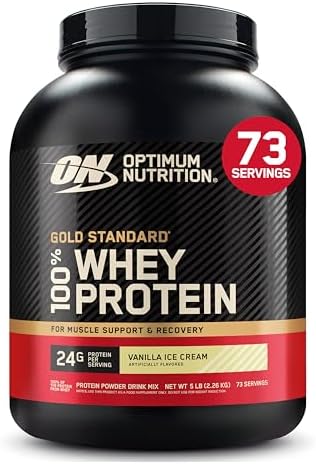
Protein Powder
Helps you hit protein targets on busy days. See our protein guide.
Pros
- Convenient
- Mixes into foods
- Many options
Cons
- Not essential
- Check sugar
BEST FOR SALADS
Salad Spinner
Clean, crisp greens make big salads easy and appealing.
Pros
- Fast
- Cheap
- Makes greens last longer
Cons
- Bulky
- Extra cleanup

Keep reading
Frequently asked questions
Is it normal to feel hungry in a calorie deficit?
Some mild hunger is normal, especially before meals. Constant, intense hunger usually means the deficit is too large or meals lack protein and fiber.
What foods keep you full the longest?
Protein-rich foods, beans and lentils, potatoes, oats, eggs, Greek yogurt, vegetables and broth-based soups.
Does drinking water reduce hunger?
Water with meals can help you feel fuller and replaces caloric drinks, though its effect on hunger is modest.
How big should my calorie deficit be?
Enough to lose about 1–2 pounds a week, which for many people is roughly 300–700 calories a day.
Why am I hungrier at night?
Long gaps during the day, stress and tiredness can all increase evening hunger. See why you wake up hungry at night.
Sources
- Leidy HJ, et al. The role of protein in weight loss and maintenance. Am J Clin Nutr. 2015.
- Rolls BJ. Dietary energy density: applying behavioral science to weight management. Nutr Bull. 2017.
- Hall KD, et al. Ultra-processed diets cause excess calorie intake and weight gain. Cell Metab. 2019.
- CDC. Losing weight.
This article is for general information only and is not medical advice. See our Medical Disclaimer.