
How to Reduce Screen Time Before Bed (and Does Working Late on a Computer Hurt Sleep?)
By WellnessVigor · Updated October 15, 2026 · 7 min read
This article contains affiliate links. If you buy through them, we may earn a small commission at no extra cost to you. Learn more.
Most of us end the day on a screen: scrolling social media in bed, answering late emails or finishing work on a laptop. It feels relaxing or necessary, but it can push sleep later and make it lighter.
Here’s what research shows about screens and sleep, why late computer work is especially tricky, and practical ways to cut back.
Quick answer
Screens before bed can delay sleep in two ways: the light suppresses melatonin and shifts your body clock later, and the content keeps your brain alert. In a Harvard study, reading on a light-emitting device before bed meant taking longer to fall asleep, less melatonin, a later body clock and less alertness the next morning than reading a printed book. Aim for a screen-free last hour; if you must use screens, dim them, use night mode and avoid stressful content or work.
Table of Contents
ToggleHow screens affect sleep
- Light: screens emit short-wavelength (blue-enriched) light, which suppresses melatonin and delays the body clock.
- Stimulation: social media, games, news and work emails increase alertness and emotional arousal.
- Time displacement: one more episode or video easily pushes bedtime later.
In the Harvard study, people who read on a light-emitting e-reader for several evenings took longer to fall asleep, had reduced melatonin, delayed circadian timing and felt less alert the next morning than when reading a printed book.
Is working late on a computer worse?
Often, yes. Work combines bright screen light with mental effort and stress, and you’re usually sitting close to a bright monitor. Problem-solving and emails can leave your mind racing for an hour or more afterward. If you must work late, stop at least an hour before bed and write a to-do list to offload unfinished tasks. See how to stop overthinking at night.
9 ways to cut screen time before bed
- Set a screen curfew 30–60 minutes before bed with a phone alarm.
- Charge your phone outside the bedroom.
- Use a separate alarm clock so the phone doesn’t need to be by the bed.
- Turn on night mode and dim screens in the evening.
- Use app limits or downtime settings.
- Replace scrolling with a habit: paper book, stretching, shower or journaling.
- Stop work email at a set time and disable notifications.
- Keep the TV out of the bedroom or use a sleep timer. See is it bad to sleep with the TV on?
- Start small: 15 screen-free minutes, then build to an hour.
Want a simple, step-by-step plan to sleep better? The 14-Day Sleep Reset guide walks you through fixing your schedule, evening routine and bedroom, one day at a time.
Low-dose 3 mg melatonin gummies
A gentler dose for occasional sleepless nights, jet lag or getting back on schedule after the weekend.
Good to know: Avoid in pregnancy and check with your doctor if you take blood thinners, diabetes or epilepsy medicines.

Do blue light glasses help?
Amber-tinted glasses filter some blue light and may help some people, but research results are mixed. Reducing screen use and dimming lights is more reliable.
Build it into your routine
A screen-free hour fits naturally into a wind-down routine. See the best evening routine for better sleep and the 10-3-2-1-0 sleep rule.
Products that help you unplug
These are common, inexpensive options that some people find helpful. We have not personally tested these products. Links go to Amazon search results so you can compare current options and prices.
BEST FOR REMOVING TEMPTATION
Timed Phone Lock Box
Locks your phone away for a set time so the screen curfew sticks.
Pros
- Takes willpower out
- Simple
- Reusable
Cons
- Plan for emergencies
- Strict at first

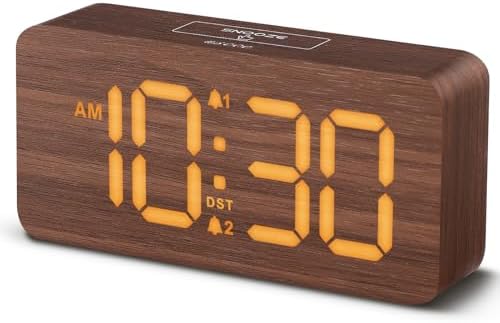
BEST PHONE-FREE ALARM
Simple Digital Alarm Clock
A basic alarm clock lets you charge your phone outside the bedroom.
Pros
- Cheap
- No notifications
- Dimmable display on many
Cons
- One more device
- Some displays are bright
BEST FOR SCREEN-FREE READING
Amber Book Light
Read a paper book in warm, low light instead of scrolling.
Pros
- Warm light
- Doesn’t disturb partners
- Rechargeable
Cons
- Needs charging
- Choose amber mode

BEST CHARGING STATION
Charging Station Outside the Bedroom
A family charging station in the kitchen or hall keeps devices out of bedrooms overnight.
Pros
- Organized
- Charges multiple devices
- Builds a family habit
Cons
- Cost
- Needs an outlet nearby

Keep reading
Frequently asked questions
How long before bed should I stop using screens?
Ideally 30–60 minutes. Even 15 minutes is a good start.
Does night mode help sleep?
It reduces some blue light and is better than nothing, but dimming screens and limiting use matter more.
Is reading on a Kindle bad for sleep?
Devices without a bright backlit screen (e-ink with low front light) are less disruptive than tablets and phones.
Is watching TV before bed bad?
TV at a distance is less intense than a phone, but stimulating content and late nights can still delay sleep.
Why do I feel tired but wired after using my phone?
Your body is tired but the light and stimulation keep your brain alert. A screen-free wind-down helps.
Sources
- Chang AM, et al. Evening use of light-emitting eReaders negatively affects sleep, circadian timing, and next-morning alertness. PNAS. 2015.
- Scullin MK, et al. The effects of bedtime writing on difficulty falling asleep. J Exp Psychol Gen. 2018.
- Phillips AJK, et al. Irregular sleep/wake patterns are associated with poorer academic performance and delayed circadian and sleep/wake timing. Sci Rep. 2017.
This article is for general information only and is not medical advice. See our Medical Disclaimer.