
Weight Loss for Nurses and Shift Workers: A Plan for 12-Hour Shifts
By WellnessVigor · Updated October 15, 2026 · 9 min read
This article contains affiliate links. If you buy through them, we may earn a small commission at no extra cost to you. Learn more.
Nurses, doctors, care workers, paramedics and other shift workers spend their days looking after everyone else. Long 12-hour shifts, missed breaks, night work and a break room full of donated sweets make it very hard to look after your own weight.
And it is not just willpower. Shift work itself is linked with weight gain. A meta-analysis of 28 studies found night shift work was linked with about 23% higher odds of overweight or obesity, with an even stronger link to belly fat. Permanent night workers had a higher risk than those on rotating shifts.
Quick answer
Pack your meals for the whole shift, eat your main meal before a night shift rather than at 3 am, keep night-time snacks small and protein-based, drink water on a schedule, use quiet periods for short walks, keep a consistent sleep routine on days off, and do two or three short strength sessions a week.
Table of Contents
ToggleWhy shift work makes weight loss harder
- Body clock disruption: your body handles food less efficiently at night. In one lab study, blood sugar after the same meal was 17% higher in the biological evening than in the morning, and shifting the body clock raised it further.
- Short or broken sleep increases hunger and cravings. See can poor sleep make you gain weight?
- Missed breaks lead to grazing on whatever is at the nurses’ station.
- Exhaustion on days off leaves little energy for exercise.
Read more in our guide to night shift weight gain.
Pack the whole shift
For a 12-hour shift, pack:
- One main meal: protein + vegetables + some carbs (chicken and rice bowl, chilli with beans, pasta salad with tuna).
- Two small protein snacks: Greek yogurt, boiled eggs, cheese, hummus with vegetables, a protein bar.
- Fruit for quick energy.
- A large water bottle — dehydration is often mistaken for hunger.
Our meal prep ideas guide makes batch cooking for the week simple.
Meal timing on night shifts
- Eat your main meal before the shift (around 5–7 pm for a night shift).
- During the night: small, light snacks rather than a large meal between midnight and 6 am.
- After the shift: a small breakfast so you are not too hungry to sleep, then sleep.
- Limit caffeine in the last 4–6 hours of your shift so you can sleep afterwards.
Want a done-for-you plan? 35 Days to a Leaner You combines a 35-day low-carb meal plan with simple home workouts, so you know exactly what to eat and how to move each day.
One exercise bike, and the whole family gets fitter
Skip the gym fees and the commute. A quiet magnetic bike lets everyone at home ride while watching TV, in any weather. Twenty to thirty minutes a day adds up to real calories burned.

Moving on a long shift
Many nurses already walk a lot. Others, such as ICU staff, call center nurses or doctors doing paperwork, sit more than people think. Either way:
- Use quiet periods for a few laps of the ward or a stair climb.
- Do 10 squats or calf raises when charting at a standing station.
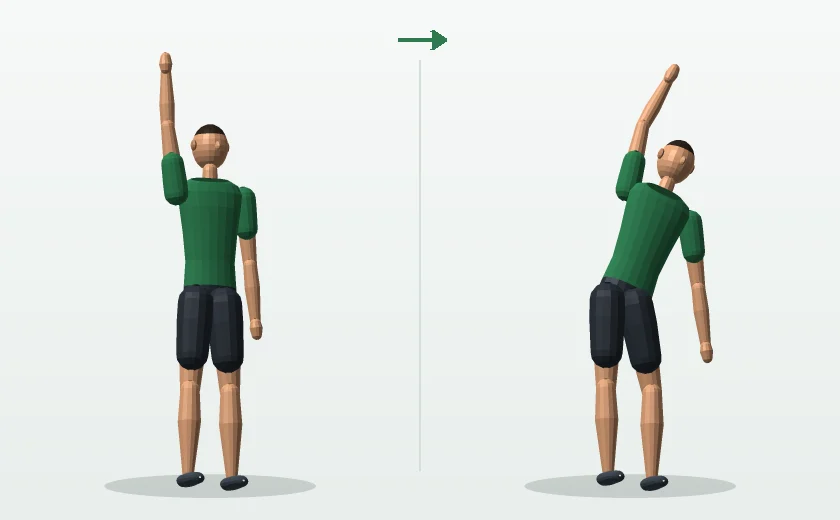
- Stretch hips and back on breaks: side bends and gentle twists.
Days off: strength and recovery
Two or three 20–30 minute strength sessions per week help protect muscle and make long shifts feel easier on your body. Squats, lunges, rows, presses and planks cover the basics. Try our dumbbell routine or standing exercises. Do not plan hard workouts right after a run of night shifts; walking is the better choice then.
Shift-worker essentials
These are common, inexpensive options that some people find helpful. We have not personally tested these products. Links go to Amazon so you can check current prices and reviews.
BEST FOR 12-HOUR SHIFTS
Large insulated water bottle
A big bottle at the station reminds you to drink through the shift and cuts down on vending-machine drinks.
Pros
- Keeps water cold
- Reusable
Cons
- Bulky
- Needs washing

BEST FOR PACKED MEALS
Insulated lunch box
Keeps a full shift’s food cold until you get a break.
Pros
- Room for meal and snacks
- Easy to clean
Cons
- One more bag to carry
- Ice packs needed for long shifts

BEST FOR DAYTIME SLEEP
Blackout sleep mask
Blocks daylight so you can sleep properly after nights. See our sleep mask guide.
Pros
- Cheap and portable
- Total darkness
Cons
- Some find them warm
- Strap fit varies

Sleep is part of the weight loss plan
- Keep your bedroom dark and cool for daytime sleep: blackout curtains and a sleep mask help.
- Keep your sleep times as regular as you can across working days.
- Plan how you switch between nights and days off.
Detailed guides: sleep schedule for night shift workers, rotating shift sleep schedule and how to sleep during the day.
Keep reading
Frequently asked questions
What should nurses eat on a night shift to lose weight?
Eat a balanced main meal before your shift, then small protein-based snacks during the night, such as yogurt, eggs, nuts or hummus with vegetables. Avoid large meals between midnight and 6 am.
Why do nurses gain weight?
Long shifts, missed breaks, night work, short sleep and easy access to sweets all play a role. Night shift work itself is linked with higher odds of overweight and belly fat.
When should shift workers exercise?
Whenever you can do it consistently. Many people prefer strength sessions on days off and walking after shifts. Avoid hard workouts right before trying to sleep.
Sources
- Sun M, et al. Meta-analysis on shift work and risks of specific obesity types. Obes Rev. 2018.
- Dunstan DW, et al. Breaking up prolonged sitting reduces postprandial glucose and insulin responses. Diabetes Care. 2012.
- Morris CJ, et al. Endogenous circadian system and circadian misalignment impact glucose tolerance via separate mechanisms in humans. PNAS. 2015.
This article is for general information only and is not medical advice. See our Medical Disclaimer.