
Weight Loss After Retirement: How to Stay Active and Lose Weight When Work Ends
By WellnessVigor · Updated October 15, 2026 · 8 min read
This article contains affiliate links. If you buy through them, we may earn a small commission at no extra cost to you. Learn more.
Retirement is a huge change to your daily routine. For some people, it is the first time in decades they have time to walk, cook and exercise. For others, the structure of work disappears, the day revolves around the TV and the kitchen, and weight starts to climb.
Which way it goes depends a lot on the habits you build in the first year.
Quick answer
Give your day a structure (fixed meal times, a daily walk), aim for about 6,000–8,000 steps a day, do strength training 2–3 times a week to protect muscle, eat protein at every meal, and stay social and active through clubs, volunteering or classes.
Table of Contents
ToggleHow retirement changes your weight
Retirement does not affect everyone the same way. A study of more than 5,000 Finnish public sector workers found that, around retirement, men retiring from sedentary jobs tended to lose a little weight, while women retiring from physically heavy jobs tended to gain. In other words, if your job kept you moving, retirement may remove that activity — and you need to replace it.
Other common changes:
- No fixed schedule, so meals and snacks become irregular.
- More TV and sitting time.
- Less muscle with age, which slightly lowers calorie needs.
- Social meals and eating out more often.
Give your day a structure
- Wake up and go to bed at similar times every day.
- Eat three meals at set times instead of grazing.
- Put a daily walk in the diary like an appointment.
- Plan one active activity a day: gardening, swimming, a class, walking to the shops.
Walking: your main tool
For adults over 60, a large 2022 meta-analysis found health risk kept falling as steps increased, levelling off at roughly 6,000–8,000 steps per day. Start from where you are and add 500–1,000 steps a week. Walking with a friend or group makes it easier to stick with. More: walking for weight loss: steps per day.
Want a done-for-you plan? 35 Days to a Leaner You combines a 35-day low-carb meal plan with simple home workouts, so you know exactly what to eat and how to move each day.
Burn calories at home, rain or shine
A magnetic exercise bike is quiet enough for early mornings and small apartments. One purchase, years of workouts for the whole household.

Strength training protects your metabolism
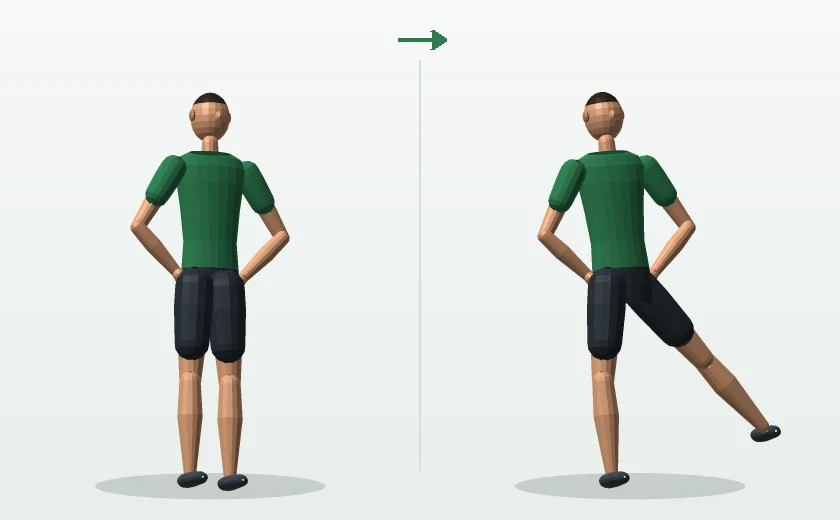
Muscle naturally declines with age, and losing weight without strength training can speed that up. Two or three sessions a week help keep strength, balance and independence. Start with:
- Sit-to-stand from a chair (or squats) – 2 × 10
- Wall push-ups – 2 × 10
- Dumbbell or band rows – 2 × 10
- Side leg raises holding a chair – 2 × 10 per side
- Calf raises – 2 × 15
Check with your doctor first if you have heart, joint or balance problems.
Eat for weight loss after 60
- Protein at every meal — older adults often need more to preserve muscle. See how much protein you need.
- Vegetables and fruit for fiber and fullness.
- Fewer evening snacks in front of the TV.
- Watch alcohol — it adds calories and affects sleep.
Helpful equipment
These are common, inexpensive options that some people find helpful. We have not personally tested these products. Links go to Amazon so you can check current prices and reviews.
BEST FOR SAFE WALKING AT HOME
Walking pad with handrail
Lets you walk safely indoors in bad weather. Our walking pad with handrail guide compares options for older adults.
Pros
- Handrail for balance
- Walk regardless of weather
Cons
- Takes space
- Not for running

BEST FOR GENTLE STRENGTH
Resistance bands with handles
Gentle, adjustable resistance for rows, presses and leg work — easy on the joints.
Pros
- Low impact
- Several resistance levels
Cons
- Need anchoring for some moves
- Can wear out

BEST FOR LIGHT WEIGHTS
Neoprene dumbbell set
A set of light dumbbells is enough to start a basic strength routine at home.
Pros
- Comfortable grip
- Color-coded weights
Cons
- Light weights limit progress
- Takes space

Stay social and active
Many retirees miss the social side of work. Walking groups, volunteering, gardening clubs, dance or swimming classes and playing with grandchildren all add movement and purpose to the day. For more, see how to lose weight over 50.
Keep reading
Frequently asked questions
Why do people gain weight after retirement?
Mostly because daily activity drops, the day loses structure and snacking increases. People who had active jobs are most likely to gain if they do not replace that activity.
How many steps should a retiree walk per day?
Research suggests health benefits for adults over 60 level off at roughly 6,000–8,000 steps a day. Build up gradually.
Is strength training safe after 60?
For most people, yes, and it is strongly recommended to protect muscle and balance. Start light and speak to your doctor if you have health conditions.
Sources
This article is for general information only and is not medical advice. See our Medical Disclaimer.