
How to Deal With Insomnia Naturally: Lifestyle Changes That Work Without Medication
By WellnessVigor · Updated October 15, 2026 · 8 min read
This article contains affiliate links. If you buy through them, we may earn a small commission at no extra cost to you. Learn more.
Insomnia means regularly having trouble falling asleep, staying asleep or waking too early, and feeling unrested as a result. Many people want to avoid sleeping pills, and the good news is that the most effective long-term treatment for insomnia isn’t a pill at all.
This guide explains the techniques sleep doctors use, plus lifestyle changes and the evidence on natural supplements. If insomnia has lasted for months, talk to a doctor.
Quick answer
The most effective natural approach to insomnia is cognitive behavioral therapy for insomnia (CBT-I), which the American Academy of Sleep Medicine strongly recommends as first-line treatment. Its key parts include stimulus control (using the bed only for sleep and getting up when awake), sleep restriction (matching time in bed to actual sleep), relaxation, and changing unhelpful thoughts about sleep. Add a fixed wake time, morning light, regular exercise and limited caffeine and alcohol. Supplements such as melatonin and magnesium have weaker evidence.
Table of Contents
ToggleWhat CBT-I is and why it works
CBT-I is a structured program, usually 4–8 sessions, that changes the habits and thoughts that keep insomnia going. In its 2021 guideline, the American Academy of Sleep Medicine gave multicomponent CBT-I a strong recommendation for chronic insomnia, and suggested stimulus control, sleep restriction and relaxation therapy as single-component options. It also advised against relying on sleep hygiene alone.
1. Stimulus control
- Go to bed only when sleepy.
- Use the bed only for sleep and intimacy, not for phones, TV or work.
- If you can’t sleep within about 20 minutes, get up, go to another room and do something calm in dim light, then return when sleepy.
- Get up at the same time every day.
- Avoid daytime naps, or keep them very short.
2. Sleep restriction (sleep compression)
If you spend 9 hours in bed but sleep 6, your sleep becomes light and broken. Sleep restriction temporarily limits time in bed to roughly the amount you actually sleep (never less than about 5–6 hours), then gradually extends it as sleep becomes more solid. It can make you sleepy at first, so it’s best done with guidance from a clinician or structured program, and avoided if you drive for work or have conditions like epilepsy or bipolar disorder.
Want a simple, step-by-step plan to sleep better? The 14-Day Sleep Reset guide walks you through fixing your schedule, evening routine and bedroom, one day at a time.
Wind down after a stressful day
Ashwagandha (KSM-66) is one of the most popular supplements for stress. In small studies it modestly lowered stress and improved sleep quality for some people.
Good to know: Not suitable in pregnancy or with thyroid or autoimmune conditions. Rare liver problems have been reported. Check with your doctor if you take medicines.

3. Relaxation
Progressive muscle relaxation, slow breathing and mindfulness reduce the physical and mental tension that keeps you awake. Mindfulness improved sleep quality in a meta-analysis of 18 trials. See sleep anxiety at night and meditation for sleep.
4. Change unhelpful sleep thoughts
Thoughts like “If I don’t sleep 8 hours, tomorrow will be a disaster” increase pressure and arousal. Remind yourself that one bad night is manageable and that your body will catch up.
5. Support your body clock
- Fixed wake time, every day.
- Morning daylight.
- Dim evenings and screens off in the last hour.
- Regular exercise, not too close to bedtime.
6. Cut sleep disruptors
Caffeine can reduce total sleep by about 45 minutes on average, according to a 2023 meta-analysis. Alcohol fragments the second half of the night. Big late meals cause discomfort.
What about natural supplements?
- Melatonin: most helpful for body clock problems such as jet lag or a late schedule; modest effects for general insomnia. See our melatonin guide.
- Magnesium: small trials in older adults show modest benefits. See magnesium glycinate for sleep.
- Herbal teas: chamomile and similar teas are a pleasant ritual, with limited evidence.
Check with a doctor or pharmacist before taking supplements, especially with other medications.
When to see a doctor
See a doctor if insomnia lasts more than three months, affects your daytime functioning, or comes with loud snoring, breathing pauses, restless legs, low mood or anxiety. Underlying conditions may need treatment, and CBT-I is available through clinicians and digital programs.
Products that support natural sleep
These are common, inexpensive options that some people find helpful. We have not personally tested these products. Links go to Amazon search results so you can compare current options and prices.
BEST FOR A FIXED WAKE TIME
Sunrise Alarm Clock
A gentle light alarm helps you get up at the same time every day, a key part of CBT-I.
Pros
- Gentle wake-up
- Phone-free
- Sunset mode
Cons
- Weaker than daylight
- Quality varies

BEST FOR TRACKING SLEEP DIARY
Sleep Diary Journal
A sleep diary is used in CBT-I to track bedtime, wake time and how long you slept.
Pros
- Simple
- Useful for doctor visits
- No screens
Cons
- Needs daily use
- Paper only

BEST FOR RELAXATION
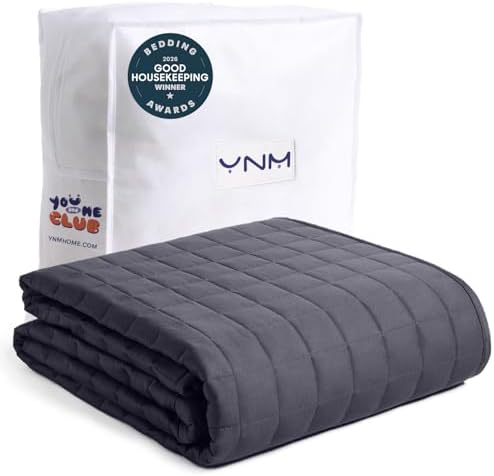
Weighted Blanket
Many people find gentle pressure calming. See our blanket guide.
Pros
- Calming
- Many weights
- Cozy
Cons
- Can be warm
- Not for children
BEST FOR A DARK ROOM
Contoured Sleep Mask
Total darkness supports deeper sleep. See our sleep mask guide.
Pros
- Cheap
- Blocks light
- Portable
Cons
- Fit varies
- Some find masks warm

Keep reading
Frequently asked questions
What is the fastest natural cure for insomnia?
There’s no instant cure, but CBT-I techniques like stimulus control and a fixed wake time often help within a few weeks.
Can insomnia go away on its own?
Short-term insomnia often improves when stress passes. Insomnia lasting months usually needs a structured approach like CBT-I.
Is CBT-I better than sleeping pills?
CBT-I is recommended as first-line treatment because its benefits last after treatment ends, without medication side effects.
Can I do CBT-I at home?
Yes, through digital programs or books, though sleep restriction is best guided by a clinician.
Does exercise help insomnia?
Regular exercise generally improves sleep quality. Avoid intense workouts right before bed if they keep you alert.
Sources
- Edinger JD, et al. Behavioral and psychological treatments for chronic insomnia disorder in adults: an AASM clinical practice guideline. J Clin Sleep Med. 2021.
- Rusch HL, et al. The effect of mindfulness meditation on sleep quality: a systematic review and meta-analysis. Ann N Y Acad Sci. 2019.
- Gardiner C, et al. The effect of caffeine on subsequent sleep: a systematic review and meta-analysis. Sleep Med Rev. 2023.
- Mah J, Pitre T. Oral magnesium supplementation for insomnia in older adults: a systematic review and meta-analysis. BMC Complement Med Ther. 2021.
This article is for general information only and is not medical advice. See our Medical Disclaimer.