
Hair Loss Is More Than a Hair Problem
Finding extra hair on your pillow, in the shower, or on your brush can be frustrating. But hair shedding isn’t always caused by shampoo, aging, or genetics.
Hair loss can result from many different factors, including hereditary sensitivity to hormones, nutritional deficiencies, thyroid disorders, stress, illness, rapid weight loss, medications, and scalp conditions.
That is why buying another “hair growth” product isn’t always the best first step.
The most effective approach is to first understand why your hair is falling out, then choose treatment based on the underlying cause.
This guide explains the major causes of hair loss, useful blood tests, the relationship between hormones, sleep and stress, nutrition, seeds, supplements, Minoxidil, and other evidence-based approaches.
Table of Contents
ToggleHow Much Hair Loss Is Normal?
Most people naturally shed around 50–100 hairs per day. Hair follicles constantly move through different stages of growth, rest, and shedding.
Normal shedding becomes more concerning when you notice:
- A widening part
- A receding hairline
- Thinning around the crown
- A noticeably smaller ponytail
- Bald patches
- Hair becoming progressively finer
- Large amounts of hair coming out suddenly
The American Academy of Dermatology notes that normal daily shedding is different from true hair loss, which may appear as a receding hairline, bald spot, or overall thinning.
Understanding the Hair Growth Cycle
Every hair follicle follows a repeating cycle.
Anagen — Growth
This is the active growth phase. It can last for several years, allowing scalp hair to become relatively long.
Catagen — Transition
The follicle enters a short transitional phase and stops actively growing.
Telogen — Rest
The follicle rests for several months.
Exogen — Shedding
The old hair eventually falls out and a new growth cycle begins.
The problem occurs when too many follicles enter the resting or shedding stage at the same time, or when follicles gradually become smaller and produce thinner hairs.
This distinction is important because different types of hair loss require different treatments.
The Most Common Causes of Hair Loss
1. Genetics and DHT
The most common cause of progressive hair thinning is androgenetic alopecia, commonly called male pattern hair loss or female pattern hair loss.
In genetically susceptible follicles, the hormone dihydrotestosterone (DHT) contributes to follicle miniaturization.
In men, this often appears as:
- Receding temples
- A thinning crown
- A progressively higher hairline
In women, it more commonly appears as:
- A widening center part
- Diffuse thinning on top
- Reduced overall hair density
Genetic hair loss tends to progress gradually, but treatment can slow the process and sometimes improve density.
2. Iron Deficiency
Iron is essential for oxygen transport and normal cellular function.
When iron stores are low, hair growth can be affected. This is particularly important in people with:
- Heavy menstrual bleeding
- Low dietary iron intake
- Certain gastrointestinal conditions
- Frequent blood donation
- Restrictive diets
One important point is that hemoglobin and iron stores are not the same thing.
A person can have a normal hemoglobin level while having low iron stores.
That’s why serum ferritin may be considered when evaluating unexplained hair shedding.
However, there isn’t one universal ferritin number that guarantees optimal hair growth for everyone. Interpretation should take your symptoms, medical history, laboratory reference range, and other tests into account.
3. Vitamin D Deficiency
Vitamin D is involved in many biological processes, including functions related to the hair follicle.
Vitamin D plays a critical role in hair follicle cycling by stimulating keratinocytes—the cells responsible for producing new hair follicles—and initiating the active growth (anagen) phase.
Scientific studies consistently demonstrate that low levels of Vitamin D disrupt the hair cycle, prematurely pushing hair into the shedding phase and stalling new growth. Furthermore, clinical research shows that Vitamin D Receptor (VDR) deficiency is directly linked to hair follicle atrophy, with blood tests repeatedly revealing significantly lower 25-hydroxyvitamin D levels in patients suffering from telogen effluvium (diffuse shedding) and alopecia areata compared to healthy controls.
Addressing an underlying deficiency through targeted supplementation typically helps reactivate dormant follicles and restore normal hair density over 3 to 6 months.
4. Zinc Deficiency
Zinc is required for DNA synthesis, cell division, protein production, and normal tissue maintenance.
Because hair follicles contain rapidly dividing cells, severe zinc deficiency can contribute to hair problems.
But more zinc isn’t necessarily better.
Excessive zinc supplementation can interfere with copper absorption and cause other problems.
The goal is to correct deficiency—not consume megadoses.
5. Protein and Calorie Deficiency
Hair is largely composed of keratin, a structural protein.
Very restrictive diets, severe calorie restriction, eating disorders, and rapid weight loss can trigger increased shedding.
This is one reason crash diets can sometimes be followed by noticeable hair loss several weeks or months later.
A balanced diet containing adequate protein is more useful than relying on a “hair vitamin.”
6. Thyroid Problems
Both hypothyroidism and hyperthyroidism can affect hair.
Possible accompanying symptoms include:
- Unusual fatigue
- Weight gain or weight loss
- Feeling unusually cold or hot
- Changes in heart rate
- Constipation or diarrhea
- Dry skin
- Changes in mood
When thyroid disease is responsible, treating the thyroid disorder is important.
7. Stress and Telogen Effluvium
Major physical or emotional stress can push a larger number of follicles into the resting phase.
This condition is called telogen effluvium.
Possible triggers include:
- High fever
- Severe infection
- Surgery
- Major emotional stress
- Rapid weight loss
- Severe calorie restriction
- Significant illness
An important clue is timing.
Hair shedding may become noticeable weeks or months after the trigger, so the event responsible isn’t always obvious.
The encouraging part is that telogen effluvium is often temporary once the underlying trigger is corrected.
- Feeling unusually cold or hot
- Changes in heart rate
- Constipation or diarrhea
- Dry skin
- Changes in mood
When thyroid disease is responsible, treating the thyroid disorder is important.
Ashwagandha: Lowers your stress hormone (cortisol) to stop you from feeling anxious, overwhelmed, or physically exhausted.
Magnesium Glycinate: Relaxes your nervous system and muscles, helping your body calm down, release tension, and sleep better.
8. Hormonal Changes
Hormones can have a major influence on hair.
DHT
DHT is particularly important in androgenetic hair loss.
Thyroid hormones
Abnormal thyroid function can disrupt normal hair cycling.
Estrogen
Changes during pregnancy, postpartum recovery, perimenopause, and menopause can affect hair density and shedding.
Androgens and PCOS
Some women with polycystic ovary syndrome (PCOS) experience androgen-related scalp thinning along with acne, irregular periods, or increased facial/body hair.
Hormone testing isn’t necessary for everyone with hair loss. It is usually considered when symptoms suggest an underlying endocrine problem.
9. Scalp Conditions
A healthy scalp provides the environment where hair follicles grow.
Conditions such as:
- Seborrheic dermatitis
- Psoriasis
- Fungal infections
- Severe inflammation
can cause shedding or damage.
If you have persistent itching, redness, scaling, pain, crusting, or patchy hair loss, a dermatologist can determine whether a scalp condition is contributing.
10. Hairstyles and Hair Damage
Hair loss isn’t always caused by something happening inside the body.
Repeatedly pulling the hair tightly can cause traction alopecia.
Frequent chemical processing, excessive heat, and aggressive brushing can also cause breakage, making hair appear thinner.
The American Academy of Dermatology recommends avoiding hairstyles that continuously pull on the hair and handling fragile hair gently.
What Blood Tests Should You Consider for Hair Loss?
There is no single blood-test panel that every person with hair loss needs.
Testing should depend on your symptoms, diet, medical history, pattern of hair loss, and examination.
Common tests that may be considered include:
1. CBC
A complete blood count can help identify anemia and other abnormalities.
2. Serum Ferritin
Helps assess stored iron.
3. Vitamin D
Useful when vitamin D deficiency is suspected or risk is high.
4. Vitamin B12
Particularly relevant when dietary intake is low or deficiency symptoms/risk factors exist.
5. Zinc
May be considered when dietary deficiency or other risk factors are present.
6. Thyroid Tests
TSH is commonly used as an initial thyroid assessment, with additional thyroid testing depending on the situation.
Does Poor Sleep Cause Hair Loss?
Sleep is often overlooked when discussing hair health.
Poor sleep can influence:
- Stress hormones
- Circadian rhythm
- Immune function
- Metabolic health
- Recovery from physical stress
However, it would be inaccurate to say that simply sleeping late automatically causes baldness.
The stronger connection is indirect: chronic sleep problems can contribute to physiological stress and poor overall health, which may worsen shedding in susceptible people.
Aim for a consistent sleep schedule and roughly 7–9 hours of sleep for most adults.
Good sleep won’t cure genetic hair loss, but it is an important part of overall health and recovery.
learn more HOW IMPROVE DEEP SLEEP AND MENTAL CLARITY
Can Exercise Help Hair Growth?
Exercise isn’t a direct cure for male or female pattern baldness.
However, regular physical activity can support overall health by improving:
- Cardiovascular fitness
- Metabolic health
- Stress management
- Sleep quality
A practical routine could include:
- Resistance training 2–3 times per week
- Regular walking
- Moderate cardiovascular exercise
- Adequate recovery
The goal isn’t to “increase blood flow to the scalp” and magically regrow hair. Exercise is valuable because it supports the broader health factors that influence the body.
What Should You Eat for Healthier Hair?
The foundation should be a nutrient-dense diet rather than a collection of supplements.
Prioritize:
Protein
Eggs, fish, poultry, beans, lentils, soy, and other protein-rich foods.
Iron-rich foods
Lean meat, seafood, lentils, beans, spinach, and fortified foods.
Omega-3 sources
Fatty fish, chia seeds, flaxseeds, and walnuts.
Fruits and vegetables
These provide vitamin C, folate, carotenoids, and other nutrients.
Nuts and seeds
Useful sources of healthy fats, minerals, and protein.
If you’re eating enough calories and protein and don’t have a nutrient deficiency, simply adding more vitamins doesn’t necessarily make hair grow faster.
Best Seeds for Hair Health
Seeds are nutritious, but they aren’t magic hair-loss treatments.
Pumpkin Seeds
Provide zinc, magnesium, protein, and healthy fats.
They are particularly useful as part of a balanced diet, but eating pumpkin seeds should not be considered a replacement for treatment of genetic hair loss.
Flaxseeds
Rich in alpha-linolenic acid (ALA), fiber, and other plant compounds.
Chia Seeds
Provide ALA omega-3 fatty acids, fiber, protein, and minerals.
Sesame Seeds
Contain healthy fats, protein, minerals, and antioxidant compounds.
Sunflower Seeds
Provide vitamin E, healthy fats, protein, and several minerals.
Popular Hair Supplements You May See on Amazon
If you want to include affiliate products in this article, this is a good place to do it—but present them as optional supplements, not cures.
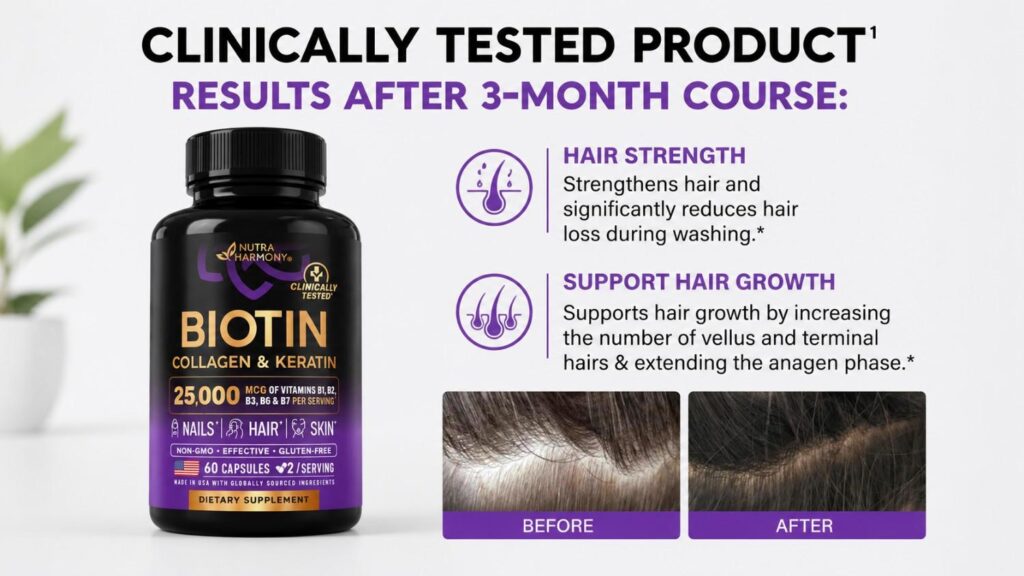
NUTRAHARMONY Biotin, Collagen & Keratin
This formula combines biotin, collagen, keratin, hyaluronic acid, and several B vitamins.
The manufacturer’s current ingredient information lists 5,000 mcg of biotin per two-capsule serving, with the listed B-vitamin blend totaling 25,000 mcg.
It may appeal to readers looking for an all-in-one hair, skin, and nail supplement.
However, the high biotin content makes the laboratory-test warning especially important. People should discuss supplementation with a healthcare professional when appropriate.
Best for: Readers looking for an all-in-one hair/skin/nail supplement.
Nutrafol Women Hair Growth Supplement
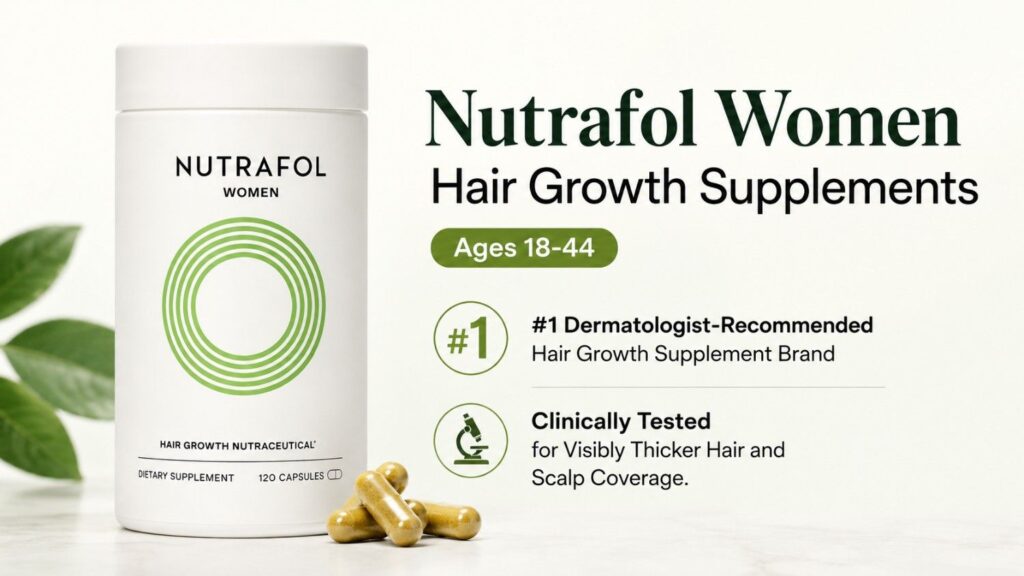
Nutrafol Women is formulated specifically for women ages 18–44 experiencing hair thinning.
Unlike a simple biotin product, Nutrafol uses a multi-ingredient formulation and has conducted clinical studies on its finished products. The company reports a six-month randomized, placebo-controlled study in women with self-perceived thinning hair, although results can vary and the company’s own claims should not be interpreted as a guarantee for every user.
This makes it a more interesting option for readers who specifically want a comprehensive hair-growth supplement rather than a single vitamin.
Best for: Women 18–44 looking for a multi-ingredient hair supplement.
DHT Blocker Supplements
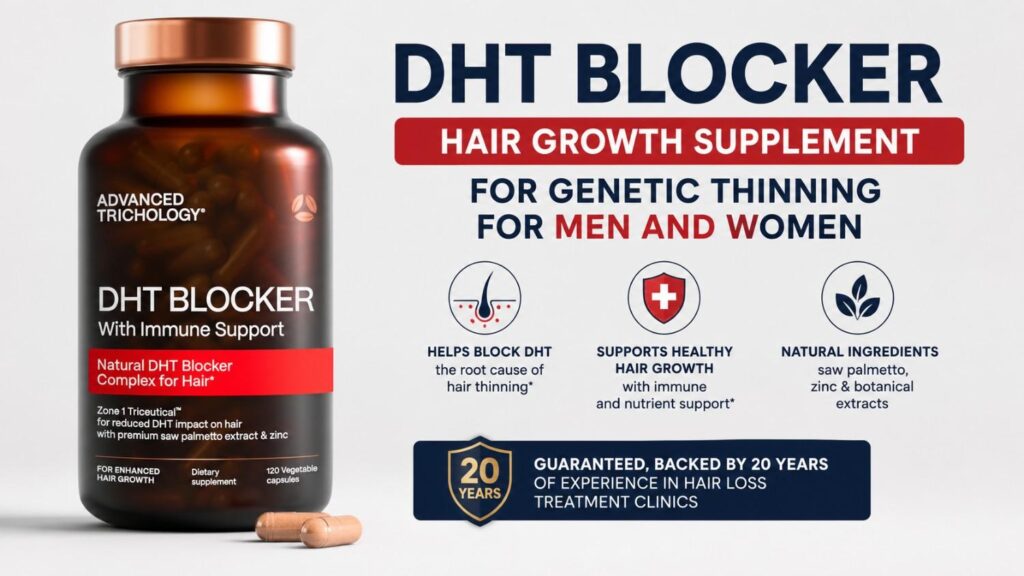
Combat genetic hair thinning at the root with clinic-proven DHT Blocker. Backed by over 20 years of hands-on hair loss treatment experience, this advanced formula works for both men and women by targeting dihydrotestosterone (DHT)—the primary hormone responsible for shrinking hair follicles and causing hereditary hair loss. By safely inhibiting DHT production, it protects vulnerable follicles, reduces excessive shedding, and creates the ideal environment for thicker, stronger hair to regrow naturally.
Minoxidil: best-established non-prescription treatments
Minoxidil is one of the most proven, over-the-counter treatments for hereditary hair loss (androgenetic alopecia), helping both men and women slow thinning and regain hair density. However, it isn’t a quick fix—realistic results take several months of consistent, daily application. When starting treatment, you might even notice temporary extra shedding; while alarming, this is actually a sign that dormant hair follicles are resetting into an active growth phase.
It is also important to consider potential side effects, which can include scalp irritation, dryness, unwanted facial or body hair growth, and that initial shedding phase.
Hair Oils: Do They Stop Hair Loss?
Hair oils can improve the feel and appearance of hair, but that doesn’t mean they treat the underlying cause of hair loss.
Coconut Oil
Can help reduce protein loss from hair and improve hair shaft condition.
Rosemary Oil
There is some preliminary evidence, but it should not be considered equivalent to proven medical treatments.
Castor Oil
Popular online, but strong evidence that it regrows hair is lacking.
Onion Juice
Small studies and anecdotal reports exist, but evidence is limited and irritation can occur.
The key distinction is:
Improving hair quality ≠ treating hair follicle miniaturization.
When Should You See a Dermatologist?
Don’t wait months if you have:
- Sudden severe shedding
- Round bald patches
- Eyebrow or eyelash loss
- Scalp pain
- Burning or significant itching
- Redness or scaling
- Scarring
- Rapidly progressing hair loss
- Hair loss with unexplained fatigue or weight changes
Some forms of scarring alopecia can permanently destroy follicles, making early diagnosis particularly important.
The AAD emphasizes that hair loss has many causes and that finding the underlying cause is central to effective treatment.
Frequently Asked Questions
It can be. Normal shedding varies, and daily hair counts aren’t a reliable diagnosis by themselves. Progressive thinning or visible changes are more important.
Low vitamin D is associated with several hair-loss conditions, but supplementation is most sensible when deficiency is present.
Yes. Significant physical or emotional stress can trigger telogen effluvium, often with a delay of several weeks to months.
Poor sleep isn’t established as a direct cause of genetic baldness, but chronic sleep problems can contribute to stress and poorer overall health.
Exercise doesn’t directly cure genetic hair loss, but it supports overall health, stress management, and sleep.
Yes, Minoxidil can help some people with hereditary hair loss. Results vary, and continued use is generally needed to maintain benefits.
Scalp inflammation and scratching can contribute to shedding and breakage. Persistent scalp symptoms should be evaluated.
Yes. Iron deficiency can contribute to hair shedding, which is why ferritin and other iron-related tests may be considered when clinically appropriate.
Medical Disclaimer
This article provides general educational information and is not intended to diagnose, treat, cure, or prevent any disease. Hair loss has many possible causes. Speak with a qualified healthcare professional or dermatologist for personalized evaluation and treatment.