
In a perfect world, a balanced diet would provide every essential nutrient your body requires. However, due to modern busy lifestyles, soil depletion, and dietary restrictions, many adults face subtle nutritional gaps. A high-quality daily multivitamin acts as a biological insurance policy—filling nutritional deficiencies, maintaining metabolic health, and supporting baseline immunity.
What Does a Multivitamin Do?
Rather than targeting a single health concern, a complete multivitamin delivers a broad spectrum of essential vitamins and minerals working together:
- Fills Dietary Gaps: Supplies baseline levels of key micronutrients that modern diets often lack (such as Vitamin D, Magnesium, and Zinc).
- Boosts Cellular Energy: B-complex vitamins inside multivitamins help convert dietary macronutrients into usable cellular fuel (ATP).
- Supports Immune Resilience: Antioxidants like Vitamin C, Vitamin E, and Zinc reinforce cellular defenses against free radicals.
- Maintains Long-Term Organ Health: Supports cardiovascular performance, bone density, eye health, and brain function as you age.
Common Signs You Might Need a Multivitamin
When your body lacks key micronutrients, symptoms often present as general sluggishness rather than acute illness:
- Chronic Low Energy & Fatigue: Struggling to stay energetic despite adequate sleep.
- Brittle Hair and Weak Nails: Frequently linked to low levels of Biotin, Zinc, or Iron.
- Slow Recovery After Exercise: Sluggish muscle repair and prolonged soreness.
- Frequent Seasonal Illnesses: A immune response that catches every passing bug.
- Brain Fog & Mood Shifts: Difficulty focusing or feeling unusually irritable due to B-vitamin deficiencies.
Top 5 Multivitamin Supplements on Amazon
Here are five top-rated multivitamin options catering to various dietary needs, age groups, and absorption preferences:
1. Garden of Life Vitamin Code Whole Food Multivitamin for men & women.
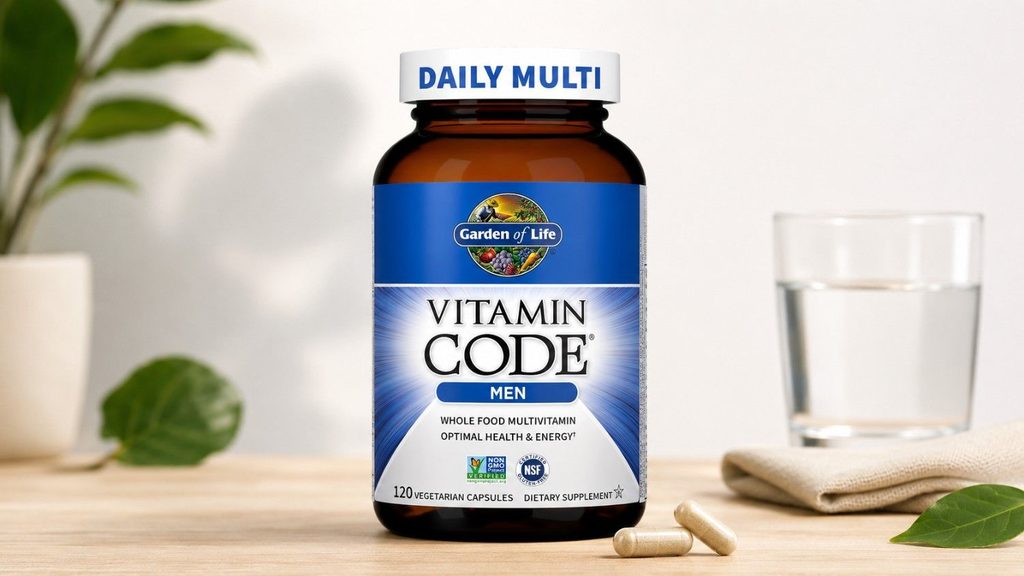
- Why it stands out: Formulated from raw, organic whole foods packed with natural enzymes, live probiotics, and co-factors for gentle digestion.
- Best for: Whole-food purists and individuals with sensitive stomachs.
- Form: Vegan Capsules.

2. Thorne Basic Nutrients 2/Day
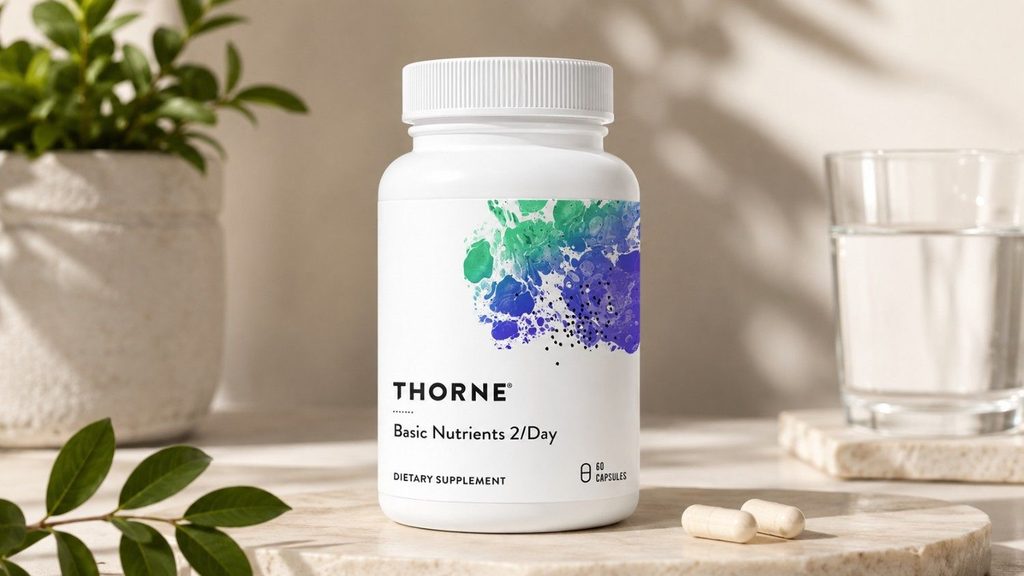
- Why it stands out: Features premium, highly bioavailable ingredients, including methylated folate and tissue-ready B vitamins, with zero unnecessary fillers.
- Best for: Science-backed optimal nutrient absorption and active lifestyles.
- Form: Capsules.
3. Optimum Nutrition Opti-Men / Opti-Women
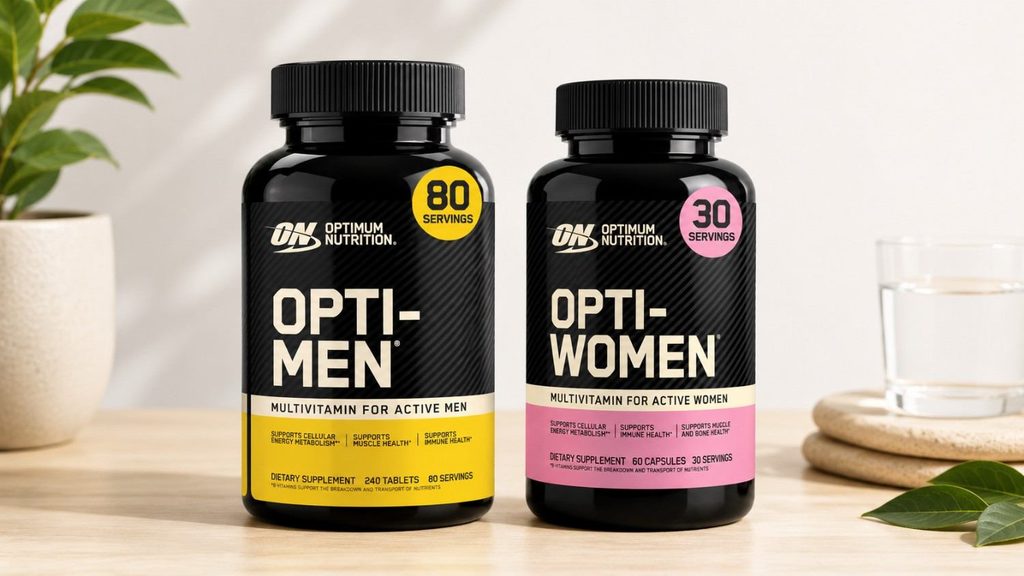
- Why it stands out: Gender-specific formulas tailored with performance blends, amino acids, botanical extracts, and targeted mineral ratios.
- Best for: Active individuals, gym-goers, and fitness enthusiasts.
- Form: Tablets.

4. Nature Made Multi Complete
- Why it stands out: A budget-friendly everyday staple verified by USP (United States Pharmacopeia) for strict quality standards, potency, and purity.
- Best for: Value-conscious shoppers seeking a straightforward, reliable daily formula.
- Form: Tablets.
5. SmartyPants Daily Adult Gummy Multivitamin
- Why it stands out: Combines essential vitamins with Omega-3 EPA/DHA fish oil and Vitamin D3 in a chewable format without synthetic colors or high-fructose corn syrup.
- Best for: Adults who dislike swallowing large pills or tablets.
- Form: Gummies.
Recommended Dosage & Usage Tips
- Follow Label Instructions: Daily dosages vary widely by form—ranging from 1 tablet daily to 2 capsules or 4 gummies per day. Always check the serving size.
- Take with Meals: Take your multivitamin with a meal that contains healthy fats. Fat-soluble vitamins (A, D, E, and K) require dietary fat for optimal gut absorption.
- Avoid Overlapping Supplements: If you already take individual high-dose supplements (like standalone Vitamin D3 or Calcium), review ingredient totals to avoid exceeding upper intake limits.
Do You Actually Need a Multivitamin?
For most healthy adults who eat a varied diet, a multivitamin is optional rather than essential. In 2022, the US Preventive Services Task Force reviewed the evidence and found it was not enough to say multivitamins prevent heart disease or cancer in healthy adults. It also advised against taking beta-carotene or vitamin E supplements for this purpose.
A multivitamin can still make sense for some groups:
- People who could become pregnant: 400 mcg of folic acid daily helps prevent birth defects.
- Adults over 50: absorption of vitamin B12 from food often falls with age.
- Vegans and many vegetarians: B12 is found almost only in animal foods; iron, zinc and iodine may also be low.
- People on very low-calorie diets or after weight-loss surgery.
- People with low sun exposure, who may lack vitamin D.
What Research Says About Multivitamins and Memory
One area with promising results is brain health in older adults. In the large COSMOS trial, adults over 60 who took a daily multivitamin for three years did better on memory tests than those who took a placebo. The effect was modest, and more research is needed, but it is one of the stronger findings for a basic multivitamin.
How to Choose a Good Multivitamin
- Look for third-party testing, such as USP Verified or NSF Certified seals. These check that the label matches what is inside.
- Aim for about 100% of the Daily Value for most nutrients, not mega-doses.
- Iron only if you need it. Most adult men and post-menopausal women do not need extra iron.
- Gummies vs tablets: gummies are easier to take but often leave out iron and some minerals and contain added sugar.
- Check totals if you also take vitamin D, calcium or other single supplements, so you do not exceed upper limits.
Frequently Asked Questions
What time of day should I take a multivitamin?
Any time that you will remember, ideally with a meal that contains some fat to help absorb vitamins A, D, E and K.
Can a multivitamin replace a healthy diet?
No. Whole foods provide fiber, protein and many beneficial compounds that a pill cannot.
Are expensive multivitamins better?
Not necessarily. A third-party-tested store brand can be just as good as a premium one.
Sources
- US Preventive Services Task Force. Vitamin, mineral, and multivitamin supplementation to prevent cardiovascular disease and cancer: recommendation statement. JAMA. 2022.
- Yeung LK, et al. Multivitamin supplementation improves memory in older adults: a randomized clinical trial. Am J Clin Nutr. 2023.
- NIH Office of Dietary Supplements: Multivitamin/mineral supplements fact sheet
Disclaimer: This content is for informational purposes only and does not constitute medical advice. Multivitamins are designed to complement a healthy diet, not replace real food. Always consult a qualified healthcare professional before beginning any new supplement regimen, especially if taking prescribed medications.