
Vitamin C (ascorbic acid) is one of the most essential nutrients your body needs daily. Because human bodies cannot produce or store Vitamin C, getting an adequate amount through diet or quality supplementation is critical for keeping your immune system resilient, your skin firm, and your cells protected from oxidative stress.
What Does Vitamin C Do?
Vitamin C acts as a powerful antioxidant and plays vital roles across multiple bodily systems:
- Immunity Booster: Stimulates white blood cell production to fight off infections.
- Collagen Synthesis: Essential for building skin, tendons, ligaments, and blood vessels.
- Enhanced Iron Absorption: Improves your body’s ability to absorb non-heme iron from plant-based foods.
- Antioxidant Protection: Neutralizes harmful free radicals caused by pollution, UV light, and stress.
Signs of Vitamin C Deficiency
Even mild deficiencies can trigger clear warning signs:
- Frequent Colds & Infections: Weakened immune defenses.
- Slow Wound Healing: Reduced collagen production delays tissue repair.
- Bleeding or Swollen Gums: Weakened blood capillaries in oral tissues.
- Dry, Rough Skin: Loss of skin elasticity and moisture barrier strength.
- Unexplained Fatigue & Joint Pain: Lower metabolic energy and connective tissue degradation.
Top 5 Vitamin C Supplements on Amazon
Here are five top-rated Vitamin C options tailored for different preferences, from whole-food powders to high-potency capsules:
1. Organic Camu Camu Powder
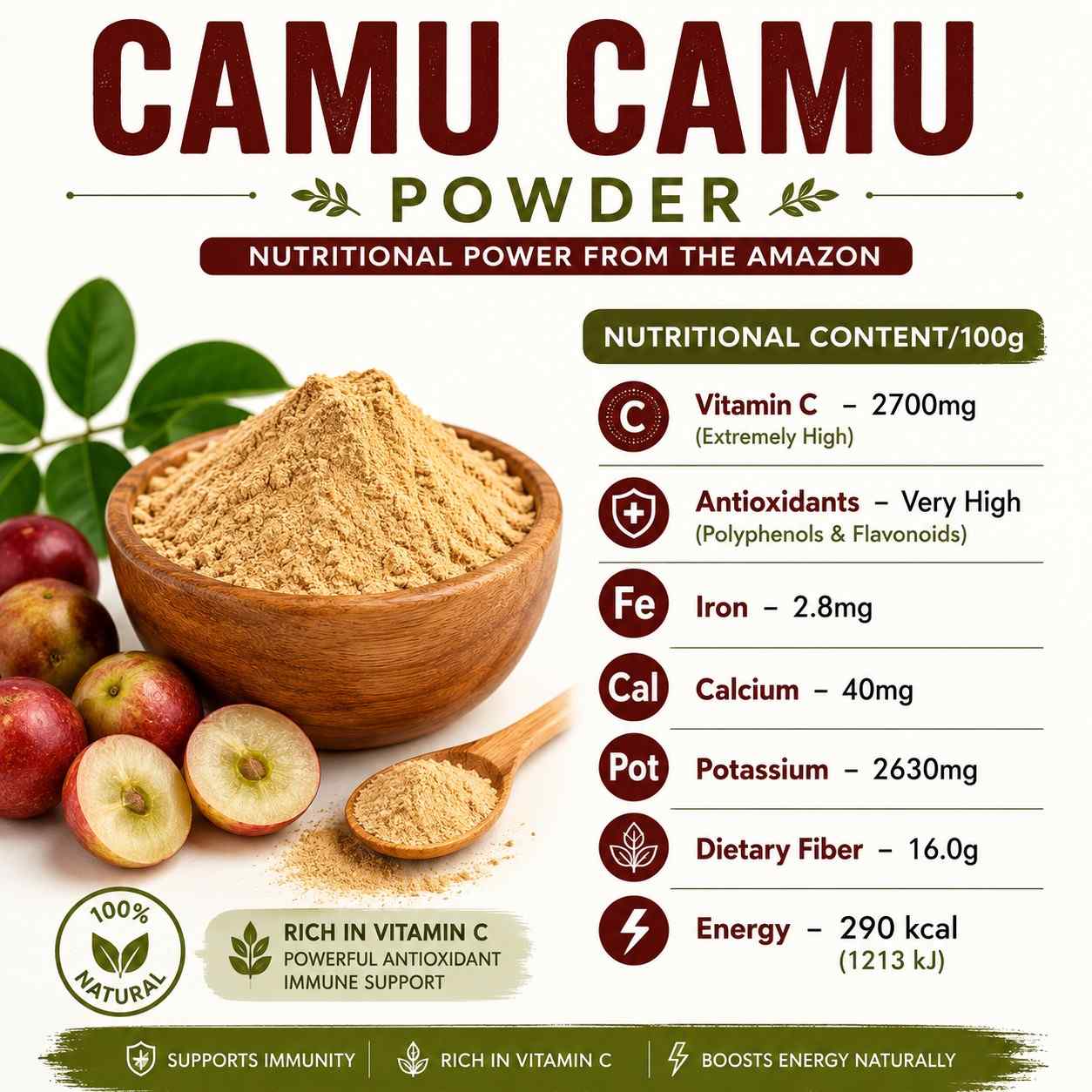
- Why it stands out: Derived from an Amazonian superfruit, Camu Camu provides one of the dense whole-food sources of natural Vitamin C available, complete with naturally occurring co-factors and bioflavonoids.
- Best for: Smoothies, juices, and whole-food purists avoiding synthetic ascorbic acid.
- Form: Powder.

2. Dr. Berg Chewable Vitamin C Complex
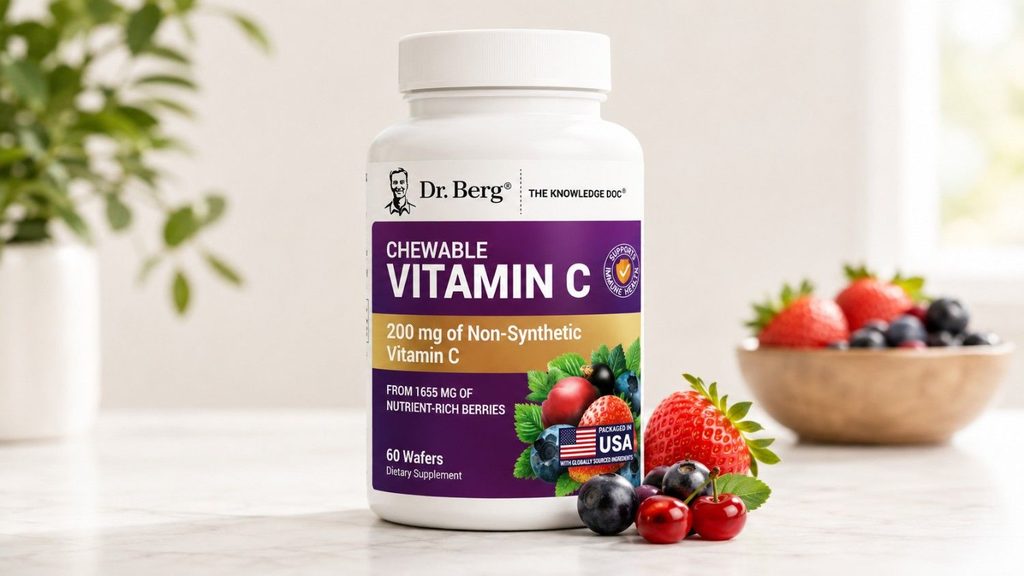
- Why it stands out: Made with organic, non-GMO berries (acerola cherry, camu camu, rose hips) delivered in 60 delicious wafers. Free from synthetic ascorbic acid and artificial sweeteners.
- Best for: Those who dislike swallowing pills and prefer a tasty, berry-flavored chewable.
- Form: Chewable Wafers.

3. Nutricost Vitamin C with Rose Hips 1025mg (240 Capsules)
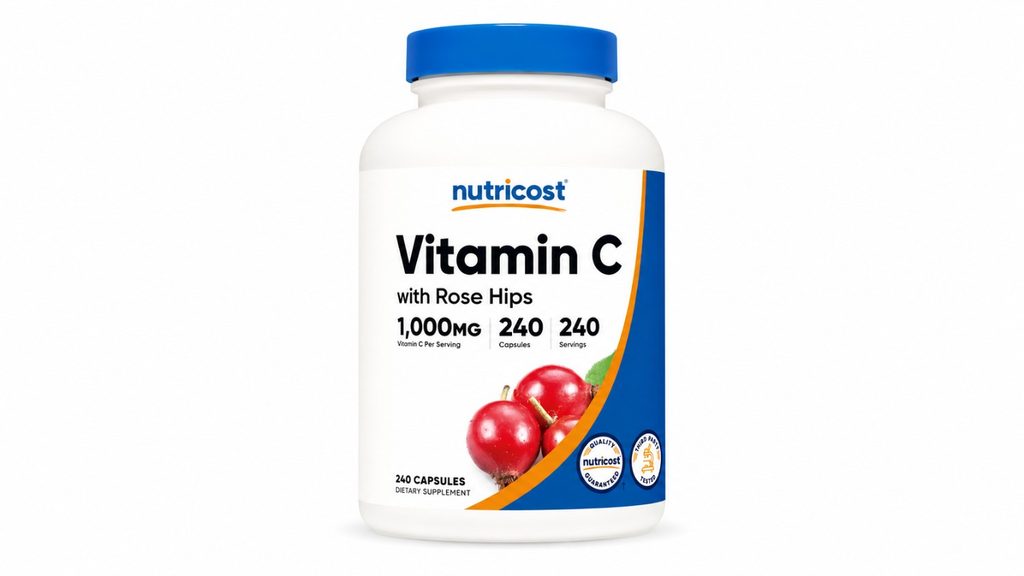
- Why it stands out: Offers high-potency Vitamin C (1,000 mg) paired with Rose Hips (25 mg) for enhanced antioxidant support. Non-GMO, gluten-free, and highly cost-effective per serving.
- Best for: Anyone seeking high-dose daily immunity support in a easy-to-swallow capsule.
- Form: Capsules.
4. Nature Made Extra Strength Vitamin C 1000 mg (300 Count)
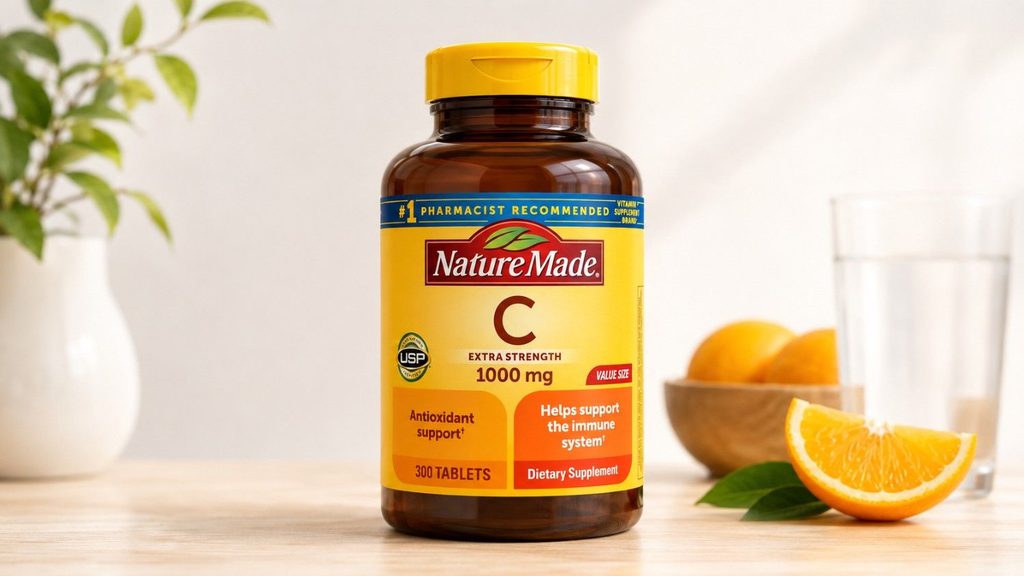
- Why it stands out: A trusted staple verified by USP (United States Pharmacopeia) for purity and potency. Provides a massive 300-day supply in one bottle.
- Best for: Value shoppers looking for a long-lasting, pharmacist-recommended tablet.
- Form: Tablets.

5. Liposomal Vitamin C Capsules
- Why it stands out: Encapsulates Vitamin C in liposomes (fatty acid layers) to bypass breakdown in digestive juices, optimizing cell-level absorption without stomach irritation.
- Best for: Individuals with sensitive stomachs or those seeking maximum absorption rates.
- Form: Softgels / Liposomal Capsules.

Recommended Dosage & Usage Tips
- Daily Requirement: The standard Daily Value (DV) is 75 mg for adult women and 90 mg for adult men, though many supplements offer 500 mg to 1,000 mg for targeted immune support.
- Tolerable Upper Limit: Keep total daily intake from supplements under 2,000 mg per day to avoid digestive discomfort.
- Best Time to Take: Take Vitamin C in the morning or early afternoon with food to minimize GI upset and enhance iron absorption from your meal.
Best Food Sources of Vitamin C
Most people can meet their daily needs from food alone. Five servings of fruit and vegetables a day can provide more than 200 mg. Some of the richest sources (NIH figures):
- Red bell pepper, ½ cup raw: 95 mg
- Orange juice, ¾ cup: 93 mg
- Orange, 1 medium: 70 mg
- Kiwi, 1 medium: 64 mg
- Broccoli, ½ cup cooked: 51 mg
- Strawberries, ½ cup sliced: 49 mg
Vitamin C breaks down with heat and long storage, so raw or lightly steamed produce keeps more of it.
Who Might Benefit From a Supplement?
- Smokers, who need about 35 mg more per day than non-smokers.
- People who eat few fruits and vegetables, such as very restrictive dieters.
- People with certain gut conditions that reduce absorption, or on kidney dialysis (under medical advice).
Does Vitamin C Prevent Colds?
Probably not for most people. A large Cochrane review found that taking vitamin C regularly did not reduce how often ordinary people caught colds. It did slightly shorten colds, by about 8% in adults. People under heavy physical stress, such as marathon runners, did see fewer colds. Starting vitamin C only after a cold begins showed no consistent benefit.
Safety and Side Effects
Vitamin C is generally safe, but more is not better. The upper limit for adults is 2,000 mg a day. Above that, diarrhea, nausea and stomach cramps become more likely. A large study of Swedish men linked high-dose vitamin C supplements with about twice the risk of kidney stones. People with hemochromatosis (iron overload) should avoid high doses, because vitamin C increases iron absorption.
Frequently Asked Questions
Is 1,000 mg of vitamin C a day too much?
It is below the 2,000 mg upper limit, so it is generally considered safe for healthy adults. But your body absorbs a smaller share at higher doses, and most people do not need that much.
Is natural vitamin C better than ascorbic acid?
Studies show synthetic ascorbic acid is absorbed about as well as vitamin C from food. Buffered forms (such as sodium ascorbate) may be gentler on a sensitive stomach.
Can I get enough vitamin C without a supplement?
Yes. One orange and a serving of peppers or broccoli easily covers the daily requirement for most adults.
Sources
- NIH Office of Dietary Supplements: Vitamin C fact sheet for health professionals
- Hemilä H, Chalker E. Vitamin C for preventing and treating the common cold. Cochrane Database Syst Rev. 2013.
- Thomas LD, et al. Ascorbic acid supplements and kidney stone incidence among men: a prospective study. JAMA Intern Med. 2013.
Disclaimer: This content is for informational purposes only and does not constitute medical advice. High doses of Vitamin C may cause digestive distress in sensitive individuals. Always consult a qualified healthcare professional before starting any new supplement routine.