
Your gut is home to trillions of microorganisms—collectively known as the gut microbiome—that influence everything from digestion and skin clarity to immune strength and mood regulation. Poor diet, daily stress, antibiotic use, and age can disrupt this delicate ecosystem. A high-quality daily probiotic supplement helps restore beneficial bacteria, supporting smooth digestion and overall vitality.
What Do Probiotics Do?
Probiotics are live, beneficial microorganisms that reinforce your body’s natural microbiome:
- Improve Digestive Balance: Help break down food, reduce bloating, and maintain bowel regularity.
- Support Immune Defense: Roughly 70% of the body’s immune system resides in the gut lining, where healthy bacteria help ward off harmful pathogens.
- Enhance Nutrient Absorption: Facilitate the breakdown and uptake of essential vitamins and minerals.
- Support the Gut-Brain Axis: Produce neurotransmitters like serotonin, helping balance mood and cognitive clarity.
Common Signs of Gut Microbiome Imbalance
When harmful bacteria outnumber beneficial strains, your body provides clear signals:
- Frequent Digestive Distress: Persistent bloating, gas, stomach discomfort, or irregular bowel movements.
- Post-Antibiotic Sluggishness: Digestive issues following a course of prescription antibiotics.
- Unexplained Fatigue & Mood Shifts: Sluggish energy and brain fog linked to poor nutrient uptake and gut-brain signaling.
- Skin Irritations: Flares like breakouts or dry patches often tied to systemic gut inflammation.
- Sugar Cravings: An overgrowth of yeast or harmful microbes that feed on refined carbohydrates.
Top 5 Probiotic Supplements on Amazon
Here are five top-rated probiotic supplements catering to different health goals, strain counts, and storage needs:
1. Garden of Life Raw Probiotics Ultimate Care for men & women
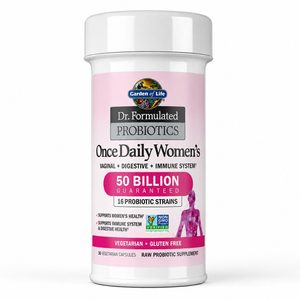
- Why it stands out: Delivers a potent 100 Billion CFU (Colony Forming Units) featuring 34 raw probiotic strains plus digestive enzymes.
- Best for: Intensive gut restoration, post-antibiotic recovery, and maximum strain diversity.
- Form: Capsules (Refrigerated or Shelf-Stable options).

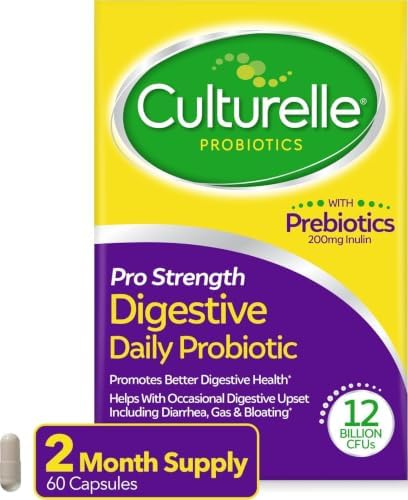
2. Culturelle Daily Probiotic
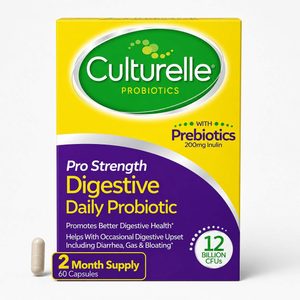
- Why it stands out: Powered by 100% Lactobacillus rhamnosus GG (LGG)—one of the most clinically studied probiotic strains for digestive comfort and immune support.
- Best for: Daily digestive balance, travel, and reliable single-strain efficacy.
- Form: Capsules.
3. Physician’s Choice Probiotics 60 Billion CFU
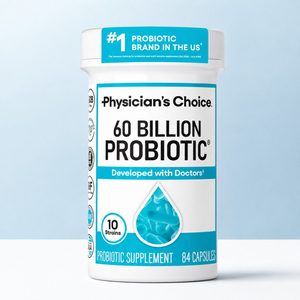
- Why it stands out: Features 10 targeted, science-backed strains paired with organic prebiotic fibers (Jerusalem artichoke and chicory root) to nourish beneficial bacteria. Uses acid-resistant delayed-release capsules.
- Best for: Overall daily gut health, bloating relief, and general digestive wellness.
- Form: Capsules.

4. Seed Daily Synbiotic (DS-01)
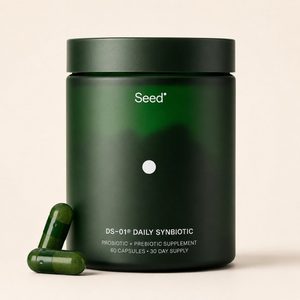
- Why it stands out: A 2-in-1 capsule-in-capsule technology engineered to protect 24 clinically studied probiotic strains from stomach acid for optimal delivery directly to the colon.
- Best for: Premium gut health support, systemic benefits, and advanced microbiome care.
- Form: Specialized Dual-Capsules.

5. Align Probiotic Supplement
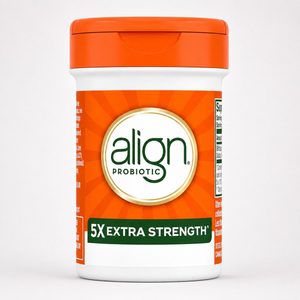
- Why it stands out: Formulated with Bifidobacterium 35624, a strain developed by gastroenterologists to help manage occasional gas, bloating, and abdominal discomfort.
- Best for: Individuals prone to sensitive stomach issues and routine bloating.
- Form: Capsules.

Recommended Dosage & Usage Tips
- Check CFU Counts: Daily maintenance formulas typically range from 10 Billion to 50 Billion CFUs. Higher counts (100 Billion+) are generally reserved for short-term gut restoration.
- Best Time to Take: Take probiotics 30 minutes before a meal or with a light meal containing healthy fats. This reduces stomach acidity, allowing more live bacteria to reach the intestines safely.
- Storage Requirements: Always check the label. Some formulas require refrigeration to maintain potency, while shelf-stable options utilize specialized bottle lining to block moisture and heat.
What Does the Science Say About Probiotics?
The benefits of probiotics depend on the exact strain and the health problem. The strongest evidence is for preventing diarrhea caused by antibiotics: a major review in JAMA found that people who took probiotics while on antibiotics had a lower risk of antibiotic-associated diarrhea. Reviews also suggest some probiotics can ease irritable bowel syndrome (IBS) symptoms such as bloating, although results vary by strain.
For healthy people with no gut problems, the evidence for a daily probiotic is much weaker.
Probiotic Foods to Try First
- Yogurt labeled “live and active cultures”
- Kefir, a fermented milk drink
- Sauerkraut and kimchi (the refrigerated, unpasteurised kind)
- Miso and tempeh
Your gut bacteria also feed on fiber. Foods rich in prebiotic fiber include onions, garlic, leeks, oats, beans and slightly green bananas.
How to Choose a Probiotic Supplement
- Look for the full strain name, for example Lactobacillus rhamnosus GG, not just “lactobacillus blend”.
- Check the CFU count at expiry, not just “at time of manufacture”.
- Match the strain to your goal: strains studied for antibiotic use differ from those studied for IBS.
- Give it about four weeks, then decide whether it is helping.
Who Should Be Careful
Probiotics are safe for most healthy people, and mild gas or bloating in the first few days is common. People with a weakened immune system, serious illness, a central venous catheter, or premature infants should only use probiotics with medical advice, because rare serious infections have been reported.
Frequently Asked Questions
Should I take a probiotic with antibiotics?
Many people do. Take it a couple of hours apart from the antibiotic dose and continue for a week or two after the course. Ask your doctor or pharmacist which strain they recommend.
Do probiotics help with weight loss?
Evidence is limited and effects, if any, are small. Diet and activity matter far more.
Do probiotics need to be refrigerated?
Some do and some are shelf-stable. Follow the storage instructions on the label.
Sources
- Hempel S, et al. Probiotics for the prevention and treatment of antibiotic-associated diarrhea: a systematic review and meta-analysis. JAMA. 2012.
- Ford AC, et al. Systematic review with meta-analysis: the efficacy of prebiotics, probiotics, synbiotics and antibiotics in irritable bowel syndrome. Aliment Pharmacol Ther. 2018.
- NIH Office of Dietary Supplements: Probiotics fact sheet
Disclaimer: This content is for informational purposes only and does not constitute medical advice. Probiotic needs vary by individual, and high-CFU formulas may cause mild, temporary gas or bloating during the first few days of use. Always consult a qualified healthcare professional before starting a new supplement regimen, especially if you have a compromised immune system.