
Supplements Vegans Need When Losing Weight: B12, Vitamin D, Omega-3, Iron and More
By WellnessVigor · Updated October 16, 2026 · 8 min read
This article contains affiliate links. If you buy through them, we may earn a small commission at no extra cost to you. Learn more.
A well-planned vegan diet is rich in fiber, vitamins and minerals. But a few nutrients are hard to get from plants alone, and when you are also eating fewer calories to lose weight, the gaps can grow. Running low on vitamin B12 or iron can leave you tired, foggy and less able to keep up with exercise.
Here are the nutrients vegans most often miss, how much you need, and which supplements are worth taking.
Quick answer
Every vegan needs a reliable source of vitamin B12, from a supplement or fortified foods. Most should also consider vitamin D (especially in winter), an algae-based omega-3 and iodine. Iron, zinc and calcium can usually come from food with good planning; test before taking iron. A vegan multivitamin is a simple way to cover several gaps at once.
Table of Contents
ToggleWhy vegans need to plan nutrients
A large review of 141 studies found that people on plant-based diets eat more fiber, folate, vitamin C, vitamin E and magnesium than meat-eaters, but tend to have lower intake and blood levels of vitamin B12, vitamin D, iron, zinc, iodine and calcium, as well as the omega-3 fats EPA and DHA. Vegans had the lowest vitamin B12, calcium and iodine intakes.
Nutrients vegans should watch
Daily amounts below are the US recommended intakes for most adults (NIH Office of Dietary Supplements).
| Nutrient | Daily target (adults) | Best vegan sources | Supplement? |
|---|---|---|---|
| Vitamin B12 | 2.4 mcg | Fortified plant milks, cereals, nutritional yeast | Yes, essential |
| Vitamin D | 600 IU (15 mcg); 800 IU over 70 | Sunlight, fortified plant milks, UV mushrooms | Often, especially in winter |
| Omega-3 (EPA/DHA) | No official target; many suggest 250–500 mg | Algae oil; ALA from flax, chia, walnuts | Worth considering |
| Iodine | 150 mcg | Iodised salt, some seaweed | Often, if not using iodised salt |
| Iron | 8 mg men, 18 mg women 19–50; vegetarians may need about 1.8 times more | Lentils, beans, tofu, fortified cereals, pumpkin seeds | Only if tests show low levels |
| Zinc | 11 mg men, 8 mg women; vegetarians may need up to 50% more | Beans, lentils, seeds, nuts, whole grains | Sometimes |
| Calcium | 1,000 mg | Calcium-set tofu, fortified plant milk, kale, bok choy | If intake is low |
Vitamin B12: the one supplement every vegan needs
Vitamin B12 is made by bacteria and found naturally almost only in animal foods. A review of 18 studies found B12 depletion or deficiency is common among vegetarians and is even more common among vegans. Low B12 can cause tiredness, numbness or tingling, memory problems and anemia, and nerve damage can become permanent if left too long.
Take a B12 supplement or eat B12-fortified foods every day. Ask your doctor to check your B12 level if you have been vegan for a long time without supplementing.
Want a done-for-you plan? 35 Days to a Leaner You combines a 35-day low-carb meal plan with simple home workouts, so you know exactly what to eat and how to move each day.
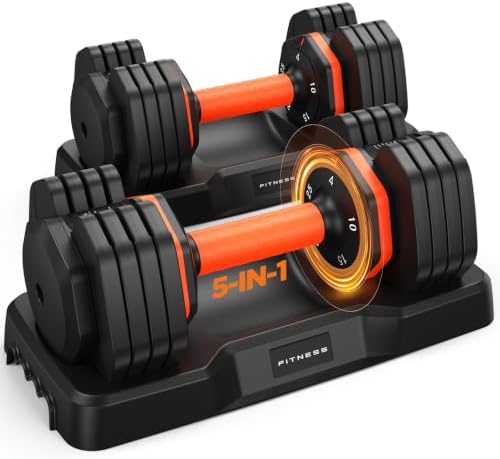
A complete home gym in one pair of dumbbells
Adjustable 5-in-1 dumbbells replace a full rack, so beginners and experienced lifters in your family can train with the same set. Strength training protects muscle while you lose fat.
Iron, protein and energy while losing weight
Iron from plants (non-heme iron) is absorbed less well than iron from meat. Boost absorption by pairing iron-rich foods with vitamin C (peppers, citrus, tomatoes) and drinking tea or coffee between meals rather than with them. Do not take high-dose iron supplements unless a blood test shows you need them, as too much iron can be harmful.
Protein matters too: aim for about 1.2 to 1.6 g per kg of body weight during weight loss. See our vegan high-protein meal guide.
Vegan supplements worth considering
These are common, inexpensive options that some people find helpful. We have not personally tested these products. Links go to Amazon so you can check current prices and reviews.
ESSENTIAL FOR EVERY VEGAN
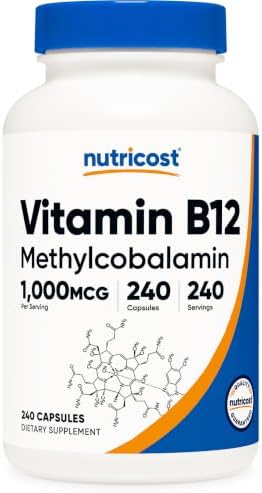
Nutricost Vitamin B12 (Methylcobalamin)
A simple, inexpensive vegan B12 supplement. One capsule covers your needs many times over.
Pros
- Very affordable
- Vegan capsules
- Large bottle
Cons
- Dose higher than most people need daily
BEST VEGAN VITAMIN D3
Deva Vegan Vitamin D3 1000 IU
Plant-sourced vitamin D3 at a moderate daily dose, useful in winter or if you get little sun.
Pros
- Vegan D3
- Moderate dose
- Small tablets
Cons
- May need a higher dose if levels are low (ask your doctor)

BEST VEGAN OMEGA-3
Algae Omega-3 (DHA and EPA) Softgels
Gets omega-3 DHA and EPA straight from algae, the same source fish get it from, without any fish.
Pros
- Plant-based EPA and DHA
- No fishy taste
- Carrageenan-free
Cons
- Costs more than fish oil

BEST ALL-IN-ONE
Deva Vegan Multivitamin with Iron
A vegan multivitamin and mineral tablet that covers several common gaps, including B12, in one daily tablet.
Pros
- Covers several nutrients
- Vegan certified
- Good value 2-pack
Cons
- Contains iron; not ideal for most men unless needed

Safety tips
- More is not better. Stay within upper limits, especially for vitamin D, iron and iodine.
- Avoid large amounts of kelp or seaweed supplements, which can contain far too much iodine.
- Tell your doctor about supplements if you take medicines or have a medical condition.
- Check labels for vegan certification; some vitamin D3 and omega-3 products come from animals.
Keep reading
Frequently asked questions
What supplements should every vegan take?
Vitamin B12 is essential. Many vegans also benefit from vitamin D, an algae omega-3 and iodine, depending on diet, sun exposure and blood tests.
Can vegans get enough B12 from food?
Only from fortified foods such as plant milks, cereals and nutritional yeast, eaten regularly. Most experts recommend a supplement to be safe.
Do vegans need an iron supplement?
Not automatically. Many vegans get enough iron from food. Take iron only if a blood test shows low levels.
Do supplements help with weight loss?
Not directly. But fixing deficiencies such as low B12, iron or vitamin D can improve energy, making it easier to stay active.
Sources
- Neufingerl N, Eilander A. Nutrient intake and status in adults consuming plant-based diets compared to meat-eaters: a systematic review. Nutrients. 2021.
- Pawlak R, et al. How prevalent is vitamin B12 deficiency among vegetarians? Nutr Rev. 2013.
- NIH Office of Dietary Supplements: Vitamin B12 fact sheet
- NIH Office of Dietary Supplements: Iron fact sheet
- NIH Office of Dietary Supplements: Zinc fact sheet
This article is for general information only and is not medical advice. See our Medical Disclaimer.