
How to Lose Weight With Obesity: A Safe, Realistic 12-Week Plan for Beginners
By WellnessVigor · Updated October 16, 2026 · 11 min read
This article contains affiliate links. If you buy through them, we may earn a small commission at no extra cost to you. Learn more.
If you have a lot of weight to lose, the hardest part is often knowing where to start. Extreme diets, punishing workouts and all-or-nothing rules usually end the same way: a few weeks of effort, then burnout. What works is a plan that is small enough to start today and steady enough to keep going.
This 12-week plan is built on the methods that have worked in major US research programs like the Diabetes Prevention Program. It focuses on a realistic goal, simple changes added step by step, and getting support when you need it.
Quick answer
Aim to lose 5% to 10% of your body weight first. Eat about 500 to 750 fewer calories a day (roughly 1,200 to 1,500 for women and 1,500 to 1,800 for men), with protein and vegetables at every meal. Start with 10-minute walks or low-impact exercise and build to 150 minutes a week. Track your weight weekly and your waist every two weeks. Expect about 1 to 2 lb of loss a week after the first few weeks.
Table of Contents
ToggleStep 1: Set the right goal
Forget your “ideal” weight for now. Research shows that losing just 5% to 10% of your body weight brings real health benefits. In the Diabetes Prevention Program, people who aimed to lose 7% of their weight and exercise 150 minutes a week cut their risk of developing type 2 diabetes by 58%. In the Look AHEAD study, losing 5% to 10% made people about 3.5 times more likely to improve their blood sugar.
| Starting weight | 5% goal | 10% goal |
|---|---|---|
| 200 lb | 10 lb | 20 lb |
| 250 lb | 12.5 lb | 25 lb |
| 300 lb | 15 lb | 30 lb |
| 350 lb | 17.5 lb | 35 lb |
Step 2: See your doctor first
Before you start, a quick checkup is worth it, especially if you have not had one recently. Ask for a blood pressure check, blood sugar (A1C), cholesterol and kidney and liver tests. Ask whether any of your medications could cause weight gain and whether you should screen for sleep apnea. If you have heart disease, diabetes or joint problems, your doctor can tell you what exercise is safe.
Step 3: Find your calorie target
US obesity guidelines suggest about 1,200 to 1,500 calories a day for women and 1,500 to 1,800 for men, or a daily deficit of 500 to 750 calories. Taller or very active people may need more. Use our TDEE calculator to estimate your daily needs, then subtract 500. Very low-calorie diets (under 800 calories a day) should only be done under medical supervision.
Want a done-for-you plan? 35 Days to a Leaner You combines a 35-day low-carb meal plan with simple home workouts, so you know exactly what to eat and how to move each day.
A complete home gym in one pair of dumbbells
Adjustable 5-in-1 dumbbells replace a full rack, so beginners and experienced lifters in your family can train with the same set. Strength training protects muscle while you lose fat.

Step 4: Build simple, filling meals
You do not need a special diet. A large review of popular diet programs found that weight loss differences between them were small; sticking to a plan mattered most. Use this simple plate:
- Half the plate: vegetables or salad.
- A quarter: lean protein such as chicken, fish, eggs, Greek yogurt, tofu, beans or lentils.
- A quarter: whole grains or starchy vegetables such as brown rice, potatoes or whole-grain bread.
- A thumb of healthy fat: olive oil, nuts or avocado.
Drink water instead of soda or juice, and keep sweets and fast food to occasional treats. See a full week of meals in our obesity diet plan.
Step 5: Start moving, gently
If you have not exercised in years, start small: a 10-minute walk after meals, a few minutes on a stationary bike, or exercises in a pool. The American College of Sports Medicine recommends building to at least 150 minutes a week of moderate activity for health, and 200 to 300 minutes a week to keep weight off long term. Add strength exercises twice a week to protect muscle. Our exercise guide for beginners with obesity has safe, low-impact workouts.
Your 12-week plan at a glance
| Weeks | Food focus | Movement focus | Habit focus |
|---|---|---|---|
| 1–2 | Swap sugary drinks for water; add protein to breakfast | 10-minute walk daily | Weigh once a week; measure waist |
| 3–4 | Use the simple plate at lunch and dinner | 15–20 minutes, 5 days a week | Plan meals for the week |
| 5–6 | Keep a food log on 3 days a week | Add 2 short strength sessions | Bedtime routine for 7+ hours of sleep |
| 7–8 | Batch-cook 2 healthy meals a week | 25–30 minutes, 5 days a week | Plan for social events and eating out |
| 9–10 | Keep high-protein snacks ready | Add one longer session (40+ min) | Find a support buddy or group |
| 11–12 | Review what worked; set the next 5% goal | 150+ minutes a week plus strength | Celebrate non-scale wins |
How much weight should you expect to lose?
Most people lose more in the first one to two weeks, partly from water. After that, about 1 to 2 lb a week is a healthy, sustainable pace. Over 12 weeks, many people lose 5% or more of their starting weight. Weight loss is never a straight line: some weeks the scale will not move, even when you are doing everything right. Look at your monthly trend and your waist measurement.
Track the right things
- Weight: once a week, same day, morning, after the bathroom.
- Waist: every two weeks, at belly button level.
- Steps or active minutes: a simple tracker helps.
- Non-scale wins: clothes fitting better, climbing stairs more easily, lower blood pressure, better sleep.
Get support
People who have support lose more weight. Options include the CDC’s National Diabetes Prevention Program (offered in many communities and online), a registered dietitian, your doctor or a weight management clinic, or simply a friend or family member who joins you. If lifestyle changes are not enough, medications or surgery may be appropriate. See our GLP-1 guide.
Tools that make the plan easier
These are common, inexpensive options that some people find helpful. We have not personally tested these products. Links go to Amazon so you can check current prices and reviews.
BEST FOR LEARNING PORTIONS
Etekcity Digital Kitchen Scale
Weighing food for a couple of weeks teaches you what portions really look like.
Pros
- Accurate
- Inexpensive
- Easy to clean
Cons
- Needs batteries

BEST HIGH-CAPACITY SCALE
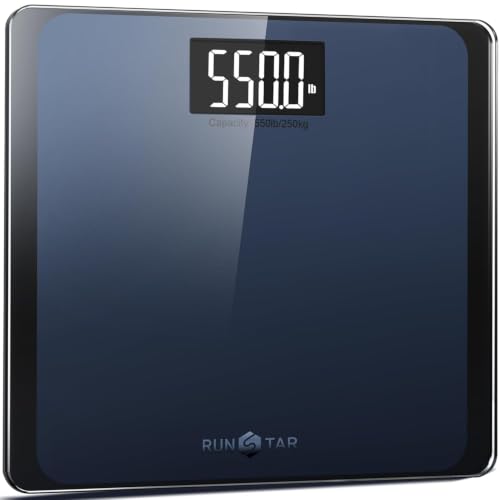
RunStar 550 lb Bathroom Scale
Wide, stable platform and high capacity for accurate weekly weigh-ins.
Pros
- 550 lb capacity
- Wide platform
- Clear display
Cons
- Weight only
BEST ACTIVITY TRACKER
Fitbit Inspire 3
Tracks steps, active minutes and sleep so you can see your progress week by week.
Pros
- Affordable
- Long battery life
- Easy app
Cons
- Some features need Premium

BEST FOR MEAL PREP
PrepNaturals Glass Meal Prep Containers
Pre-portioned meals make it easier to stay on track during busy weeks.
Pros
- Microwave-safe glass
- Leak-resistant lids
- Stackable
Cons
- Heavier than plastic

Keep reading
Frequently asked questions
How fast can an obese person lose weight safely?
About 1 to 2 lb a week is a healthy pace after the first couple of weeks. Faster loss is possible with medical programs but should be supervised.
What is the first thing to do to lose weight with obesity?
Set a goal of 5% to 10% weight loss, cut sugary drinks, add protein to breakfast and start walking 10 minutes a day.
Do I need to exercise to lose weight?
Diet drives most early weight loss, but exercise helps keep it off, protects muscle and improves health even before the scale changes.
Is it normal for weight loss to stall?
Yes. Plateaus are normal. Check portions, add activity and give it a few weeks before changing your plan.
When should I consider weight loss medication?
If you have a BMI of 30 or more (or 27 with a weight-related condition) and lifestyle changes alone are not enough, talk to your doctor.
Sources
- Knowler WC, et al. Reduction in the incidence of type 2 diabetes with lifestyle intervention or metformin. N Engl J Med. 2002.
- Wing RR, et al. Benefits of modest weight loss in improving cardiovascular risk factors in overweight and obese individuals with type 2 diabetes. Diabetes Care. 2011.
- Jensen MD, et al. 2013 AHA/ACC/TOS guideline for the management of overweight and obesity in adults. Circulation. 2014.
- Johnston BC, et al. Comparison of weight loss among named diet programs in overweight and obese adults: a meta-analysis. JAMA. 2014.
- Donnelly JE, et al. ACSM position stand: appropriate physical activity intervention strategies for weight loss and prevention of weight regain for adults. Med Sci Sports Exerc. 2009.
- CDC. National Diabetes Prevention Program.
This article is for general information only and is not medical advice. See our Medical Disclaimer.