
I Exercise Regularly but Still Feel Tired — What’s Going On?
By WellnessVigor · Updated October 15, 2026 · 8 min read
This article contains affiliate links. If you buy through them, we may earn a small commission at no extra cost to you. Learn more.
Exercise is supposed to give you more energy. So it’s frustrating when you’re working out consistently and still dragging through the day. Usually the problem isn’t the exercise itself but what’s missing around it: sleep, fuel, recovery or an underlying health issue.
Here are the most common reasons and what to do about each.
Quick answer
If you exercise regularly but still feel tired, the most common causes are not enough sleep, eating too little (especially when dieting), training too hard without rest, low iron or other nutrient gaps, dehydration, stress and an underlying condition such as thyroid problems or sleep apnea. Overtraining syndrome, a maladapted response to excessive exercise without enough rest, can cause lasting fatigue and mood changes. Fix sleep and recovery first, and see a doctor if fatigue persists.
Table of Contents
Toggle1. You’re not sleeping enough
Exercise increases your need for recovery. Adults need 7 or more hours. In a lab study, people limited to 6 hours a night for two weeks developed thinking deficits similar to a night without sleep, while feeling only slightly sleepy. See is 6 hours of sleep enough?
2. You’re under-eating
A big calorie deficit plus training leaves little energy for daily life. Make sure you eat enough overall, include carbs around workouts and get enough protein. See how much protein you need.
3. You’re training too hard without rest
Overtraining syndrome is described in sports medicine as a maladapted response to excessive exercise without adequate rest, affecting hormones, immunity and mood. Warning signs include falling performance, heavy legs, poor sleep, irritability and frequent illness. Build in rest days and lighter weeks.
Want a simple, step-by-step plan to sleep better? The 14-Day Sleep Reset guide walks you through fixing your schedule, evening routine and bedroom, one day at a time.
Wind down after a stressful day
Ashwagandha (KSM-66) is one of the most popular supplements for stress. In small studies it modestly lowered stress and improved sleep quality for some people.
Good to know: Not suitable in pregnancy or with thyroid or autoimmune conditions. Rare liver problems have been reported. Check with your doctor if you take medicines.

4. Low iron or other nutrient gaps
Iron deficiency is a common cause of fatigue, especially in women, endurance athletes and plant-based eaters. Low vitamin D and B12 can also contribute. A simple blood test can check. See our iron supplement guide and vitamin D3 guide, and don’t take iron without testing.
5. Dehydration
Even mild dehydration can make you feel tired and sluggish, especially after sweating.
6. Training late at night
Intense workouts close to bedtime can make it harder for some people to fall asleep. See is it bad to work out at night?
7. Stress and mental load
Exercise is a stressor too. Combined with work and life stress, it can push total load too high. See how to lower cortisol naturally.
8. Too much caffeine
Relying on caffeine can disrupt sleep and create a cycle of fatigue. See why you drink coffee but still feel tired.
9. An underlying health condition
Thyroid problems, anemia, sleep apnea, depression, diabetes and post-viral fatigue can all cause persistent tiredness. See a doctor if fatigue lasts more than a few weeks or comes with other symptoms such as weight changes, shortness of breath or low mood.
Products that support recovery
These are common, inexpensive options that some people find helpful. We have not personally tested these products. Links go to Amazon search results so you can compare current options and prices.
BEST FOR TRACKING RECOVERY
Sleep and Fitness Tracker
Track sleep, resting heart rate and training load to spot when you need rest.
Pros
- Sleep and activity data
- Resting heart rate trends
- Reminders
Cons
- Estimates only
- Can encourage overthinking

BEST FOR HYDRATION
Electrolyte Drink Mix
Useful after long or sweaty workouts to replace fluids and sodium.
Pros
- Supports hydration
- Easy to carry
- Many flavors
Cons
- Not needed for short workouts
- Check sugar

BEST FOR MUSCLE RECOVERY
Foam Roller
Gentle rolling can ease muscle tightness after training. See our massage gun vs foam roller guide.
Pros
- Cheap
- Durable
- Easy
Cons
- Uncomfortable at first
- Bulky

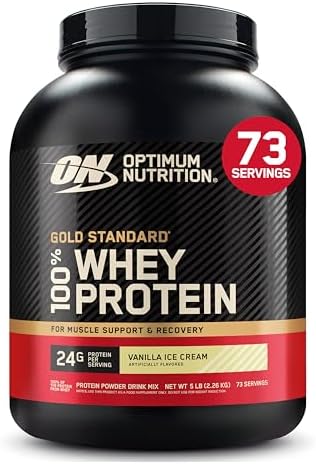
BEST FOR PROTEIN
Protein Powder
Helps you hit protein needs for recovery. See our protein guide.
Pros
- Convenient
- Many options
- Easy post-workout
Cons
- Not essential
- Check additives
Keep reading
Frequently asked questions
Is it normal to feel tired after starting exercise?
Yes, for the first few weeks. Fatigue that continues after a month or gets worse needs a closer look.
How many rest days do I need?
Most people benefit from at least 1–2 rest or light days a week, more after intense training blocks.
Can exercising too much make you tired?
Yes. Too much training without enough recovery can lead to overreaching or overtraining.
What blood tests check for fatigue?
Doctors often check iron levels, blood count, thyroid function, vitamin D, B12 and blood sugar.
Should I stop exercising if I’m tired?
Take a few easy days and focus on sleep and food. If fatigue persists, see a doctor.
Sources
- Kreher JB, Schwartz JB. Overtraining syndrome: a practical guide. Sports Health. 2012.
- Van Dongen HP, et al. The cumulative cost of additional wakefulness. Sleep. 2003.
- Watson NF, et al. Recommended amount of sleep for a healthy adult. Sleep. 2015.
- Jäger R, et al. International Society of Sports Nutrition position stand: protein and exercise. J Int Soc Sports Nutr. 2017.
This article is for general information only and is not medical advice. See our Medical Disclaimer.