
Obesity and Joint Pain: How Extra Weight Affects Your Knees, Hips and Back (and What Helps)
By WellnessVigor · Updated October 16, 2026 · 10 min read
This article contains affiliate links. If you buy through them, we may earn a small commission at no extra cost to you. Learn more.
Achy knees on the stairs, a stiff lower back when you get out of bed, sore hips after a short walk: joint pain is one of the most common and frustrating parts of living with obesity. It also creates a trap: pain makes it harder to move, and moving less makes weight loss harder.
The good news is that joints respond remarkably well to even modest weight loss. This guide explains why extra weight hurts your joints, how much difference weight loss makes, and the safest ways to stay active.
Quick answer
Every pound of body weight adds about four pounds of force on your knees with each step, so losing 10 lb takes roughly 40 lb of pressure off them. In a major trial of adults with knee arthritis, people who lost about 11% of their weight through diet and exercise had less pain and better function than those who only exercised. Low-impact exercise such as cycling, water workouts and strength training is the best way to stay active while you lose weight.
Table of Contents
ToggleHow extra weight affects your joints
Your knees, hips and lower back carry your body weight every time you stand, walk or climb. A study of adults with knee osteoarthritis found that each pound of weight lost reduced the compressive force on the knee by about four pounds per step. Over the thousands of steps you take each day, that is an enormous difference.
But weight is not only a mechanical problem. Fat tissue releases inflammatory substances that can affect cartilage throughout the body, which may explain why obesity is also linked to arthritis in the hands, joints that do not carry weight.
Knees: the most affected joint
Obesity is one of the strongest risk factors for knee osteoarthritis, the “wear and tear” arthritis where the cartilage cushioning the joint breaks down. Symptoms include pain with walking or stairs, stiffness after sitting, swelling and a grinding feeling.
In the IDEA trial, 454 adults with overweight or obesity and knee arthritis were assigned to diet, exercise, or both for 18 months. The diet plus exercise group lost an average of 23 lb (10.6 kg), about 11% of their body weight, and had the least pain and best function. The diet groups also had lower knee forces and less inflammation than the exercise-only group.
Lower back pain and obesity
A meta-analysis of studies on obesity and back pain found that people with overweight and obesity had a higher risk of low back pain and of seeking care for it. Extra belly weight shifts your center of gravity forward and strains the lower back, while weak core and hip muscles add to the problem. Strengthening those muscles and losing weight both help.
Want a done-for-you plan? 35 Days to a Leaner You combines a 35-day low-carb meal plan with simple home workouts, so you know exactly what to eat and how to move each day.
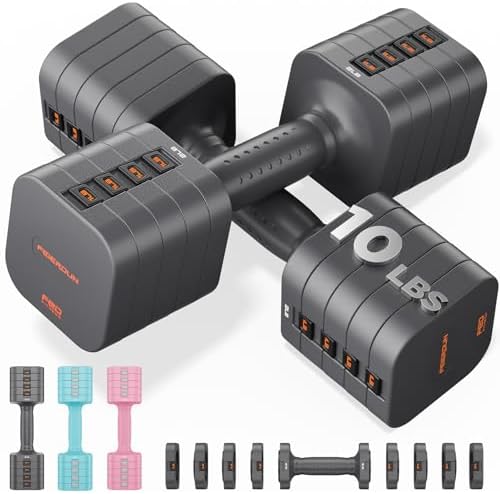
Light adjustable dumbbells for easy home workouts
A compact 5-in-1 set is perfect for beginners: switch weights in seconds and follow simple routines in your living room.
Hips, ankles and feet
Hips and feet also take extra load. Heel pain (plantar fasciitis) is more common with obesity, as are flat, painful feet and ankle pain. Supportive, well-cushioned shoes make a big difference. See our guide to supportive shoes for heavier walkers and runners.
How much weight loss helps?
| Weight lost | Approximate reduction in knee force per step |
|---|---|
| 5 lb | about 20 lb |
| 10 lb | about 40 lb |
| 20 lb | about 80 lb |
| 30 lb | about 120 lb |
Based on the roughly 4-to-1 relationship found in research. Many people notice less pain after losing just 5% of their body weight.
Joint-friendly exercises
- Stationary or recumbent cycling: strengthens the thigh muscles that support the knee without impact.
- Water walking and water aerobics: water supports your weight and eases movement.
- Walking on flat, soft surfaces: start with short sessions and build up.
- Strength training: focus on quads, hamstrings, glutes and core with bands or light weights. Strong muscles absorb force and protect joints.
- Gentle stretching for hips, hamstrings and calves.
Avoid high-impact moves such as jumping or running until you are stronger and lighter. Our exercise guide for beginners with obesity includes a full 4-week plan.
Everyday tips to ease joint pain
- Move a little every hour; stiffness gets worse with long sitting.
- Use a heating pad for stiffness and ice for swelling after activity.
- Wear supportive shoes with good cushioning.
- Try a knee sleeve for support and warmth during activity.
- Use handrails and step one at a time on stairs on bad days.
- Ask your doctor about safe pain relief and physical therapy.
When to see a doctor
See a doctor if your joint is red, hot or very swollen, if pain wakes you at night, if your knee locks or gives way, or if pain does not improve after a few weeks. A physical therapist can design an exercise program for your specific joints, and your doctor can discuss options such as injections or, for severe arthritis, joint replacement. Many surgeons recommend weight loss before joint replacement to reduce complications.
Joint-friendly gear
These are common, inexpensive options that some people find helpful. We have not personally tested these products. Links go to Amazon so you can check current prices and reviews.
BEST KNEE SUPPORT
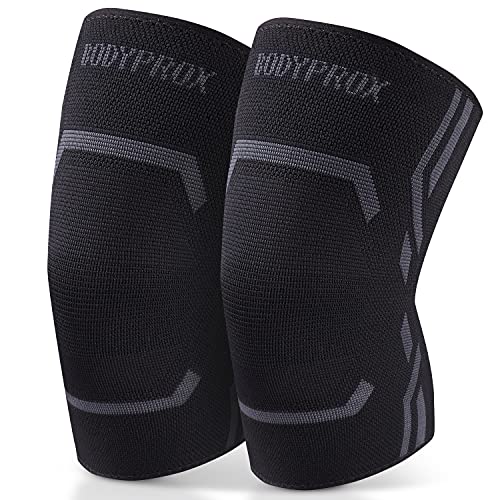
Bodyprox Knee Compression Sleeve (2-Pack)
A comfortable compression sleeve gives warmth and a feeling of support during walks and workouts.
Pros
- Comfortable fit
- Affordable 2-pack
- Several sizes
Cons
- Not a substitute for medical bracing
BEST LOW-IMPACT CARDIO
Sunny Health & Fitness Smart Recumbent Bike
A reclined, supported seat lets you build fitness and leg strength without pounding your knees or straining your back.
Pros
- Back support
- Wide seat
- Easy to get on and off
Cons
- Takes floor space

BEST SEATED OPTION
Cubii JR1 Under-Desk Elliptical
Gentle seated pedaling keeps your joints moving on painful days.
Pros
- Zero impact
- Quiet
- Use while seated
Cons
- Lower intensity

BEST FOR POOL WORKOUTS
Aquatic Exercise Dumbbells
Add light resistance to water workouts that are kind to your joints.
Pros
- Very joint-friendly
- Lightweight
- Inexpensive
Cons
- Needs pool access

Diet changes that may ease joint pain
Weight loss is the most powerful dietary change for joint pain, but what you eat can also help. A Mediterranean-style pattern rich in vegetables, fruit, beans, whole grains, fish and olive oil is linked to lower inflammation. Limiting sugary drinks, fried foods and highly processed snacks supports both weight loss and overall health. Omega-3 fats from fish such as salmon and sardines may modestly help joint stiffness for some people. Staying well hydrated also helps cartilage and muscles work properly. See our obesity diet plan for a full week of meals.
Keep reading
- Exercise for obesity: safe workouts for beginners
- How to lose weight with obesity
- What is obesity?
- Best exercise bikes for cardio
Frequently asked questions
Does losing weight help knee pain?
Yes. Each pound lost reduces knee force by about four pounds per step, and trials show less pain and better function with weight loss.
How much weight do I need to lose to reduce joint pain?
Many people feel better after losing about 5% of their body weight, with more benefit at 10% or more.
What exercise is best for obese people with bad knees?
Cycling, water exercise and strength training for the thighs and hips are usually best. Avoid jumping and running at first.
Can obesity cause back pain?
Obesity is linked to a higher risk of low back pain, partly from extra load and weaker core muscles.
Should I lose weight before knee replacement?
Many surgeons recommend it, as it can lower surgical risks and improve results. Ask your orthopedic surgeon.
Sources
- Messier SP, et al. Weight loss reduces knee-joint loads in overweight and obese older adults with knee osteoarthritis. Arthritis Rheum. 2005.
- Messier SP, et al. Effects of intensive diet and exercise on knee joint loads, inflammation, and clinical outcomes among overweight and obese adults with knee osteoarthritis: the IDEA randomized clinical trial. JAMA. 2013.
- Shiri R, et al. The association between obesity and low back pain: a meta-analysis. Am J Epidemiol. 2010.
This article is for general information only and is not medical advice. See our Medical Disclaimer.