
GLP-1 Weight Loss Drugs Explained: Wegovy, Zepbound and the New Pills (2026 Guide)
By WellnessVigor · Updated October 16, 2026 · 12 min read
This article contains affiliate links. If you buy through them, we may earn a small commission at no extra cost to you. Learn more.
GLP-1 medicines have changed obesity treatment in the United States. Drugs like Wegovy and Zepbound help many people lose 15% to 20% of their body weight, results that were once possible only with surgery. In the past year, the first GLP-1 pills for weight loss were also approved.
This guide explains how these drugs work, what the research shows, side effects, who qualifies, what happens if you stop, and how to eat and exercise to get the best results. It is for information only: always talk to your doctor about whether a medicine is right for you.
Quick answer
GLP-1 medicines reduce appetite and slow digestion. In major trials, weekly semaglutide (Wegovy) led to about 15% average weight loss and tirzepatide (Zepbound) up to about 21%. Daily pills, oral Wegovy and orforglipron (Foundayo), are now FDA-approved. They are generally for adults with a BMI of 30 or more, or 27 or more with a weight-related condition. Nausea and other stomach side effects are common, and most people regain weight if they stop. Eating enough protein and strength training help protect muscle.
Table of Contents
ToggleHow GLP-1 drugs work
GLP-1 (glucagon-like peptide-1) is a hormone your gut releases after eating. It tells your brain you are full, slows how quickly your stomach empties, and helps control blood sugar. GLP-1 medicines mimic this hormone, but last much longer. Tirzepatide also acts on a second hormone, GIP, which may add to its effect. People taking them typically feel full sooner, have fewer cravings and think about food less.
FDA-approved GLP-1 options for weight loss
| Medicine | Active ingredient | How it is taken | Notes |
|---|---|---|---|
| Wegovy injection | Semaglutide | Once a week | Also approved to reduce heart attack and stroke risk in some adults |
| Wegovy pill | Semaglutide | Once a day by mouth | Approved December 2025 |
| Zepbound | Tirzepatide | Once a week | Also approved for sleep apnea with obesity |
| Foundayo | Orforglipron | Once a day by mouth | Approved April 2026; no food or water timing rules |
| Saxenda | Liraglutide | Once a day injection | Older, less effective option |
Ozempic and Mounjaro contain the same ingredients as Wegovy and Zepbound but are approved for type 2 diabetes.
How much weight do people lose?
| Trial | Medicine | Average weight loss | Placebo |
|---|---|---|---|
| STEP 1 (68 weeks) | Semaglutide 2.4 mg injection | 14.9% | 2.4% |
| SURMOUNT-1 (72 weeks) | Tirzepatide 5 / 10 / 15 mg | 15.0% / 19.5% / 20.9% | 3.1% |
| OASIS 4 (64 weeks) | Oral semaglutide 25 mg | about 16.6% (on treatment) | about 3% |
| ATTAIN-1 (72 weeks) | Orforglipron (highest dose) | about 12.4% (on treatment) | about 0.9% |
Results vary widely between people. In STEP 1, half of people on semaglutide lost at least 15% of their weight, while some lost much less. In SURMOUNT-1, more than half of people on the two higher tirzepatide doses lost 20% or more.
Want a done-for-you plan? 35 Days to a Leaner You combines a 35-day low-carb meal plan with simple home workouts, so you know exactly what to eat and how to move each day.
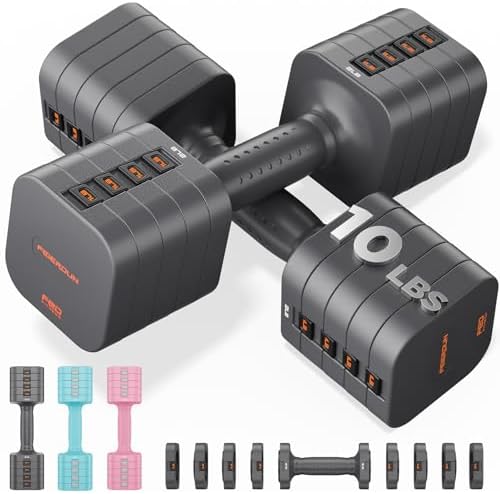
Light adjustable dumbbells for easy home workouts
A compact 5-in-1 set is perfect for beginners: switch weights in seconds and follow simple routines in your living room.
Benefits beyond weight
- Heart health: in the SELECT trial of 17,604 adults with heart disease and overweight or obesity (without diabetes), semaglutide reduced heart attacks, strokes and heart-related deaths by 20% compared with placebo.
- Sleep apnea: tirzepatide significantly reduced breathing interruptions in adults with obesity and sleep apnea.
- Blood sugar, blood pressure and cholesterol usually improve with weight loss.
Who qualifies?
GLP-1 weight loss medicines are generally approved for adults with:
- A BMI of 30 or higher, or
- A BMI of 27 or higher plus at least one weight-related condition, such as high blood pressure, type 2 diabetes, high cholesterol or sleep apnea.
They are used alongside a reduced-calorie diet and more physical activity. They are not used during pregnancy, and people with a personal or family history of medullary thyroid cancer or MEN2 syndrome should not take them.
Side effects and risks
Common: nausea, diarrhea, constipation, vomiting, indigestion, belly pain, burping and tiredness. These are usually worst when starting or increasing the dose and often ease over time.
Less common but serious: pancreatitis, gallbladder problems, dehydration leading to kidney problems, low blood sugar when combined with some diabetes medicines, and a boxed warning about thyroid C-cell tumors seen in animal studies. Tell your surgeon or anesthesiologist you take a GLP-1 before any procedure, as food can stay in the stomach longer. Tirzepatide can make birth control pills less effective.
Avoid unapproved, counterfeit or online “research” versions; the FDA has warned about safety problems with these products.
What happens when you stop?
Obesity is a chronic condition, and the effects of these medicines mostly last only while you take them. In an extension of the STEP 1 trial, people who stopped semaglutide after 68 weeks regained about two-thirds of the weight they had lost within a year, and improvements in blood pressure and blood sugar faded. Many people need long-term treatment, and building strong habits while on the medicine gives you the best chance of keeping weight off.
What to eat and do while taking a GLP-1
- Prioritize protein. In a body-scan analysis from SURMOUNT-1, about a quarter of the weight lost was lean mass. Aim for at least 1.2 g of protein per kg of goal weight, with protein first at each meal. See how much protein you need.
- Strength train two to three times a week to protect muscle.
- Eat small, slow meals and stop when you feel satisfied to reduce nausea.
- Limit greasy, fried and very sugary foods, which often worsen stomach side effects.
- Drink plenty of fluids and get enough fiber to help with constipation.
- Do not skip meals entirely. Very low intake can leave you short on protein, vitamins and energy.
Cost and insurance
GLP-1 medicines are expensive at list price, and insurance coverage for weight loss varies widely by plan and employer. Medicare coverage for obesity alone has historically been limited, though coverage may apply for related conditions. Both major manufacturers now offer direct-to-patient programs with lower cash prices for some forms. Check with your insurer and the manufacturer for current prices.
Helpful extras while on a GLP-1
These are common, inexpensive options that some people find helpful. We have not personally tested these products. Links go to Amazon so you can check current prices and reviews.
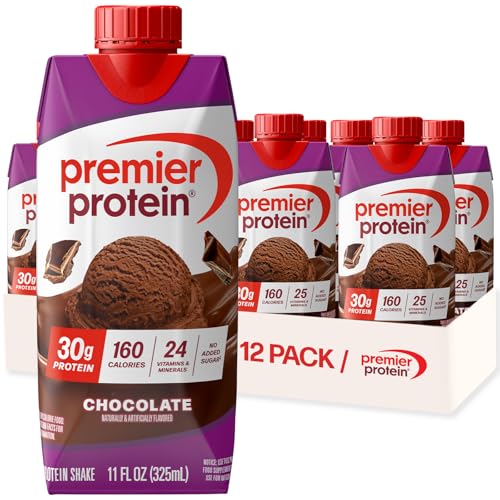
BEST EASY PROTEIN
Premier Protein 30g Shake
Many people on GLP-1s struggle to eat enough. A 30 g protein shake helps protect muscle when appetite is low.
Pros
- 30 g protein
- Easy on the stomach for many
- No prep
Cons
- Contains sweeteners
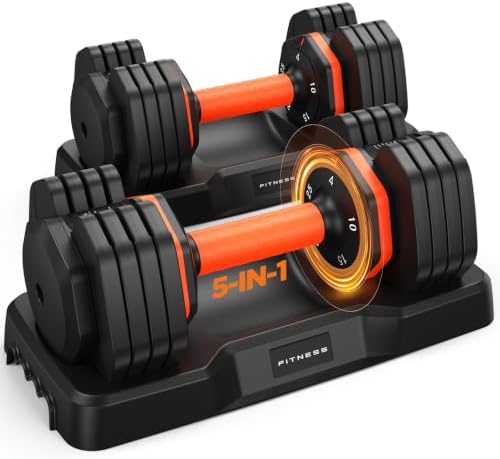
BEST FOR PROTECTING MUSCLE
FDB2 5-in-1 Adjustable Dumbbell Set
Simple home strength training two to three times a week helps keep muscle while you lose weight.
Pros
- Adjustable
- Compact
- Good value
Cons
- Weight changes take a moment
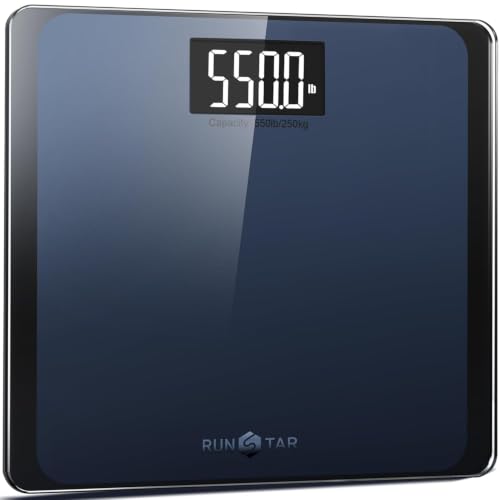
BEST FOR TRACKING PROGRESS
RunStar 550 lb Bathroom Scale
Weekly weigh-ins help you and your doctor track how well the medicine is working.
Pros
- High capacity
- Wide platform
- Clear display
Cons
- Weight only
Keep reading
Frequently asked questions
Which GLP-1 causes the most weight loss?
In trials, tirzepatide (Zepbound) has produced the largest average weight loss, up to about 21% at the highest dose, followed by semaglutide (Wegovy) at about 15%.
Is there a GLP-1 pill for weight loss?
Yes. A daily semaglutide pill (Wegovy) was approved in December 2025 and orforglipron (Foundayo) in April 2026.
How fast do you lose weight on a GLP-1?
Weight loss is gradual as the dose increases over several months. Most trial participants reached their maximum loss after about a year to 18 months.
Do you regain weight after stopping a GLP-1?
Most people regain a large share of the weight within a year of stopping, unless they continue treatment or make strong lifestyle changes.
Do GLP-1 drugs cause muscle loss?
Some of the weight lost is lean mass, about a quarter in one analysis, similar to dieting. Eating enough protein and strength training help limit it.
Sources
- Wilding JPH, et al. Once-weekly semaglutide in adults with overweight or obesity (STEP 1). N Engl J Med. 2021.
- Jastreboff AM, et al. Tirzepatide once weekly for the treatment of obesity (SURMOUNT-1). N Engl J Med. 2022.
- Lincoff AM, et al. Semaglutide and cardiovascular outcomes in obesity without diabetes (SELECT). N Engl J Med. 2023.
- Wilding JPH, et al. Weight regain and cardiometabolic effects after withdrawal of semaglutide: the STEP 1 trial extension. Diabetes Obes Metab. 2022.
- Look M, et al. Body composition changes during weight reduction with tirzepatide in the SURMOUNT-1 study. Diabetes Obes Metab. 2025.
- Malhotra A, et al. Tirzepatide for the treatment of obstructive sleep apnea and obesity. N Engl J Med. 2024.
- Drugs.com: Wegovy pill for obesity and weight loss (OASIS 4 results).
- Eli Lilly: FDA approves Foundayo (orforglipron) (ATTAIN-1 results). April 2026.
This article is for general information only and is not medical advice. See our Medical Disclaimer.