
Walking After Meals for Weight Loss: How Long, How Soon and Does It Work?
By WellnessVigor · Updated October 15, 2026 · 7 min read
This article contains affiliate links. If you buy through them, we may earn a small commission at no extra cost to you. Learn more.
A walk after dinner is an old habit in many cultures, and science now backs it up. A short walk after eating can blunt the blood sugar spike that follows a meal, and it adds easy movement to a day spent mostly sitting.
It is one of the simplest habits for desk workers, drivers, students and anyone else who sits for long hours.
Quick answer
Walk for 10–15 minutes, starting within about 30 minutes after a meal, at an easy-to-moderate pace. The evening meal is the most useful one to walk after. It lowers post-meal blood sugar and insulin compared with sitting, and three 10-minute walks add up to 30 minutes of daily activity.
Table of Contents
ToggleWhat happens when you walk after eating
After a meal, blood sugar rises as food is digested. Muscles that are working can take up glucose from the blood without needing as much insulin. When you sit still, that muscle “sink” is mostly switched off.
- A 2022 meta-analysis of seven trials found light walking breaks lowered post-meal blood sugar and insulin compared with continuous sitting — and did so more than standing breaks.
- In a study of adults with type 2 diabetes, walking 10 minutes after each main meal lowered post-meal blood sugar more than one 30-minute walk at another time of day. The benefit was biggest after the evening meal.
Does walking after meals help you lose weight?
Directly, a 10-minute walk burns a modest number of calories — roughly 30–60 depending on your size and pace. But it helps weight loss in several ways:
- It adds up: three walks a day = 30 minutes and about 3,000–4,000 extra steps.
- It cuts evening grazing: leaving the kitchen and the sofa after dinner breaks the snacking habit.
- Steadier blood sugar may help with the energy dip after lunch. See why you feel tired after lunch.
- It is easy to keep doing, which matters more than any single workout.
How to do it
- When: start within 30 minutes of finishing your meal. Some people go right away; others wait 10 minutes.
- How long: 10–15 minutes is enough. 20–30 is even better after a big dinner.
- How fast: easy to moderate — you can talk comfortably.
- Which meal: if you can only do one, choose dinner.
Want a done-for-you plan? 35 Days to a Leaner You combines a 35-day low-carb meal plan with simple home workouts, so you know exactly what to eat and how to move each day.
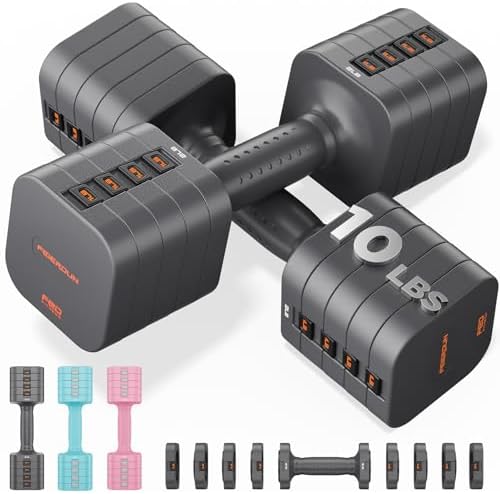
Light adjustable dumbbells for easy home workouts
A compact 5-in-1 set is perfect for beginners: switch weights in seconds and follow simple routines in your living room.
No space to walk? Try these indoors
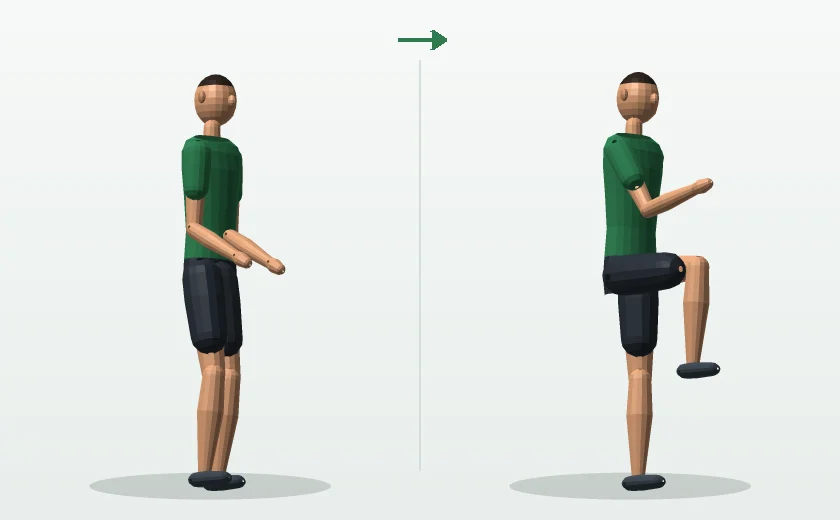
Bad weather or a small home? Walking in place, slow step-touches or climbing stairs work too. Even standing and pottering around is better than sitting straight down on the sofa. Try our walking in place workout.
Tools that help
These are common, inexpensive options that some people find helpful. We have not personally tested these products. Links go to Amazon so you can check current prices and reviews.
BEST FOR COUNTING STEPS
Fitness tracker
Seeing your step count rise after each walk is good motivation to keep the habit.
Pros
- Step and sleep tracking
- Move reminders
Cons
- Needs charging
- Accuracy varies

BEST FOR WALKING INDOORS
Walking pad
Lets you take your after-dinner walk at home in any weather. See our walking pad guide.
Pros
- Compact
- Quiet at slow speed
Cons
- Takes floor space
- Not for running

BEST FOR EVENING WALKS
LED reflective armband
After-dinner walks often happen after dark. A light-up armband helps drivers see you.
Pros
- Highly visible at night
- Rechargeable on most models
Cons
- Battery needs charging
- Strap fit varies

Who should be careful?
Walking after meals is safe for most people. If you have diabetes and take insulin or medicines that can cause low blood sugar, check with your doctor about timing. If you get reflux, a gentle pace is better than brisk walking, and avoid lying down right after eating; see how to sleep with acid reflux.
Keep reading
Frequently asked questions
How long should I walk after eating to lose weight?
10–15 minutes after each main meal is a good target. It lowers blood sugar spikes and adds about 30 minutes of activity a day.
Is it better to walk before or after a meal?
For blood sugar, walking after a meal works better because your muscles take up glucose as it enters the blood.
Is it bad to walk right after eating?
An easy walk is fine for most people. Save brisk or hard exercise for later if it makes your stomach uncomfortable.
Sources
- Buffey AJ, et al. The acute effects of interrupting prolonged sitting time with standing and light-intensity walking on biomarkers of cardiometabolic health. Sports Med. 2022.
- Reynolds AN, et al. Advice to walk after meals is more effective for lowering postprandial glycaemia in type 2 diabetes mellitus than advice that does not specify timing. Diabetologia. 2016.
- Dunstan DW, et al. Breaking up prolonged sitting reduces postprandial glucose and insulin responses. Diabetes Care. 2012.
This article is for general information only and is not medical advice. See our Medical Disclaimer.