
Men's Sexual Health: A Complete Guide to Kegel Exercises, Libido and Natural Performance
Men’s sexual health is influenced by much more than testosterone. Blood circulation, pelvic floor strength, body weight, sleep, nutrition, stress and overall fitness all play important roles in sexual desire and performance.
Some men experience reduced libido, difficulty maintaining erections, or changes in sexual stamina as they get older. Others notice these problems during periods of stress, poor sleep, weight gain or declining physical activity.
The good news is that several aspects of men’s sexual health can be supported through practical lifestyle changes. Pelvic floor exercises, regular physical activity, balanced nutrition and healthy sleep habits are useful starting points.
In this guide, we’ll explore how men’s sexual health works, what can affect libido and erectile function, how to perform Kegel exercises correctly at home, and which foods and supplements are worth understanding.
Table of Contents
Toggle1. Understanding Men's Sexual Health: Libido, Erections and Performance

Before discussing ways to improve sexual health, it’s important to understand that sexual desire, erection quality and sexual stamina are different things.
What is libido?
Libido refers to sexual desire or interest. It varies naturally between individuals and can change throughout life.
Testosterone contributes to male sexual desire, but it isn’t the only factor. Stress, depression, relationship difficulties, poor sleep, certain medications and underlying health conditions can also influence libido.
A temporary decrease in sexual interest doesn’t necessarily indicate a medical problem. However, a persistent or unexplained change deserves attention.
What is erectile function?
An erection involves several systems working together.
When a man becomes sexually aroused, the nervous system triggers changes that allow blood to flow into the erectile tissues of the penis. Blood fills these tissues, and pressure helps maintain the erection.
Healthy blood vessels, normal nerve function and appropriate hormonal activity all contribute to this process.
Erectile dysfunction (ED) refers to difficulty achieving or maintaining an erection firm enough for satisfactory sexual activity.
It can sometimes be associated with diabetes, high blood pressure, cardiovascular disease, obesity or psychological factors.
2. What Causes Low Libido and Poor Sexual Performance in Men?

Sexual health is influenced by several physical and psychological factors. Sometimes, more than one factor contributes to the same problem.
a. Low testosterone
Testosterone is an important male sex hormone involved in sexual desire, sperm production, muscle development and bone health.
Low testosterone can be associated with:
Reduced sexual desire.
Fewer spontaneous or morning erections.
Reduced energy.
Loss of muscle mass.
Increased body fat.
Changes in mood.
However, these symptoms are not specific to testosterone deficiency. Poor sleep, depression, diabetes and other conditions can produce similar symptoms.
b. Excess body fat and metabolic problems
Excess abdominal fat is associated with insulin resistance, inflammation and other metabolic problems.
Obesity can also contribute to hormonal changes, including lower testosterone levels in some men.
Over time, these factors can affect blood vessel health and increase the likelihood of erectile difficulties.
c. Poor blood circulation
Healthy blood circulation is essential for normal erections.
Conditions such as high blood pressure, diabetes and cardiovascular disease can damage blood vessels and interfere with the circulation needed for erectile function.
This is one reason persistent erectile dysfunction should not simply be dismissed as a normal part of getting older.
d. Poor sleep
Sleep supports hormonal regulation, recovery, mood and energy.
A small 2011 study published in JAMA examined ten healthy young men after one week of restricted sleep. The researchers observed lower daytime testosterone levels following approximately five hours of sleep per night compared with the rested condition.
e. Stress and psychological factors
Chronic stress, anxiety and depression can affect sexual desire and performance.
Performance anxiety can create a cycle in which worrying about erections makes it harder to relax and maintain an erection.
Relationship difficulties and emotional stress can also influence sexual interest.
f. Smoking, alcohol and medications
Smoking damages blood vessels and increases cardiovascular risk. Excessive alcohol can interfere with sexual response and overall health.
Some medications, including certain antidepressants and blood pressure medicines, may also affect libido or erectile function.
3. Men's Kegel Exercises: What They Are and How They Work

A randomized controlled study published in BJU International in 2005 examined 55 men with erectile dysfunction.
Participants who received pelvic floor exercises , together with biofeedback and lifestyle advice, experienced improvements in erectile function compared with men initially receiving lifestyle advice alone.
After six months, 40% of participants had regained normal erectile function, 35.5% had improved and 24.5% had not improved.
Pelvic floor training may also help some men improve muscle coordination related to ejaculation control.
Kegel exercises are pelvic floor muscle exercises designed to strengthen and improve control of the muscles that support the bladder, bowel and sexual organs.
Although Kegels are often associated with women’s health, men can benefit from learning how to contract and relax their pelvic floor muscles correctly.
Understanding the male pelvic floor
The pelvic floor is a group of muscles and connective tissues located at the bottom of the pelvis.
These muscles help support pelvic organs and contribute to urinary and bowel control.
Some important muscles involved in male pelvic floor function include:
Bulbocavernosus: Involved in functions related to ejaculation and erectile support.
Ischiocavernosus: Helps compress the erectile structures and contributes to erection mechanics.
Other pelvic floor muscles: Help support pelvic organs and coordinate normal pelvic function.
How do pelvic floor muscles support sexual function?
The pelvic floor muscles contribute to the physical processes involved in erections and ejaculation.
During an erection, some of these muscles help maintain pressure within the erectile tissues.
They also participate in rhythmic contractions associated with ejaculation.
Strengthening and improving coordination of these muscles may help some men with pelvic floor weakness and certain sexual-function problems.
However, stronger muscles do not automatically mean better sexual performance.
Some men have an overly tight or poorly coordinated pelvic floor. In these cases, relaxation and physiotherapy may be more appropriate than repeatedly performing strengthening exercises.
4. Kegel Exercises for Men
5. How Excess Weight Affects Testosterone, Libido and Erections
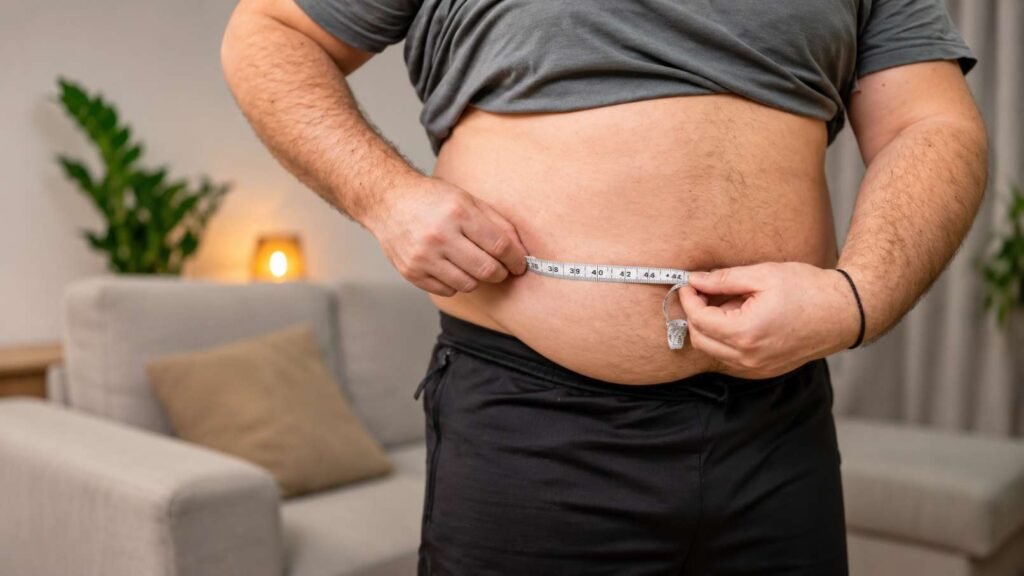
Fat tissue plays a role in hormone metabolism.
In men with obesity, hormonal regulation can be affected, and testosterone levels may decrease.
Weight reduction can improve metabolic health and may help restore testosterone levels in men whose low testosterone is associated with obesity.
A useful starting target for most adults is at least 150 minutes of moderate-intensity aerobic activity each week, together with muscle-strengthening activity on two or more days.
Walking, cycling, swimming and strength training are practical options.
Check your health measurements
Understanding your weight and energy needs can help you make better lifestyle decisions.
- [BMI Calculator –]: Estimate your body mass index.
- [BMR Calculator –]: Estimate your resting energy expenditure.
- [Ideal Weight Calculator –]: Explore a general weight range based on height.
If excess weight is one of your health concerns, our 35 Days to a Leaner You guide offers a flexible meal plan and home workout program to help build healthier habits.
6. Cardio Exercises to Improve Men's Stamina and Endurance
Cardiovascular exercise is one of the best ways to build physical endurance and support men’s overall sexual health. Activities such as brisk walking, jogging, cycling and swimming strengthen the heart, improve circulation and help the body use oxygen more efficiently.
Regular cardio can also support healthy body weight, blood pressure and metabolic function, all of which are important for erectile health.
Start with a simple routine:
Brisk walking: 20–30 minutes.
Cycling: 15–20 minutes.
Light jogging: 10–15 minutes, according to your fitness level.
Aim for at least 150 minutes of moderate-intensity cardio each week.
Make Cardio Easier with a Home Treadmill
A treadmill is a convenient option if you prefer exercising at home. You can walk, increase your speed gradually, adjust the incline and build endurance without depending on outdoor weather.
You don’t need intense workouts to get started. Consistent walking and gradually increasing your activity level can make a meaningful difference to cardiovascular fitness and overall endurance.

7. Best Foods for Men's Sexual Health and Healthy Libido
a. Pumpkin seeds
Pumpkin seeds contain zinc, magnesium, protein and healthy fats.
Zinc is important for normal reproductive function and testosterone production.
However, eating extra pumpkin seeds does not necessarily increase testosterone if your zinc intake is already sufficient.
They make a useful snack or addition to oatmeal, salads and other meals.

b. Walnuts
Walnuts provide unsaturated fats, fiber and plant compounds.
They can support a heart-healthy eating pattern, which matters because healthy blood vessels are important for normal erectile function.
Add a small handful to breakfast or use them as a snack.

c. Fatty fish
Salmon, sardines, mackerel and other oily fish provide omega-3 fatty acids and high-quality protein.
Omega-3 fats support cardiovascular health.
Eating fish regularly can be part of a balanced diet that supports healthy circulation.
d. Eggs
Eggs provide protein, vitamin B12, selenium and other nutrients.
They are a convenient source of protein for men who want to maintain muscle mass and support an active lifestyle.
They are not a testosterone booster, but they can contribute to a nutritious diet.
e. Leafy green vegetables
Spinach, lettuce, broccoli and other green vegetables provide fiber, vitamins and minerals.
Some vegetables also contain dietary nitrates, which the body can convert into nitric oxide.
Nitric oxide helps regulate blood vessel relaxation and circulation.
Eating vegetables regularly supports overall cardiovascular health.
f. Berries and pomegranate
Blueberries, strawberries and pomegranates contain polyphenols and other antioxidant compounds.
These foods can contribute to a healthy dietary pattern and provide fiber and important micronutrients.
However, claims that pomegranate juice directly treats erectile dysfunction are not supported by strong clinical evidence.
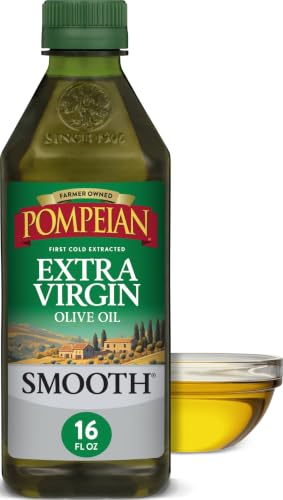
g. Olive oil
Olive oil contains monounsaturated fats and plant compounds.
It is commonly used in Mediterranean-style eating patterns, which have been studied for their relationship with cardiovascular and metabolic health.
Use it in salads, cooking and other meals as a replacement for less healthy fat sources where appropriate.
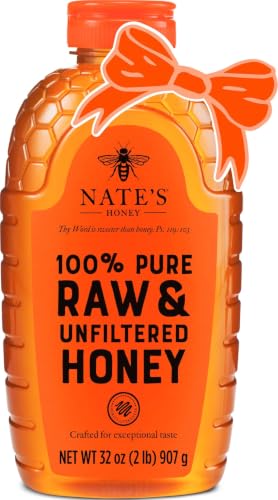
h. Honey
Honey provides natural sugars and small amounts of other compounds.
It can be used as a sweetener, but there is no convincing evidence that ordinary honey directly increases testosterone or treats erectile dysfunction.
Enjoy it in moderation rather than treating it as a sexual-performance supplement.

i. Black seed
Black seed, also known as Nigella sativa, has a long history of traditional use.
It contains thymoquinone and other plant compounds that researchers have investigated for potential health effects.
Some small studies have examined black seed and metabolic markers, but reliable clinical evidence that it improves male libido, erections or testosterone remains insufficient.
Black seed oil can also interact with certain medicines, so discuss regular supplement use with a healthcare professional if you take medication.
j. Garlic and ginger
Garlic and ginger contain naturally occurring plant compounds.
They can be useful ingredients in a balanced diet and make meals more flavorful.
However, neither should be presented as a proven treatment for low libido or erectile dysfunction.
What could a healthy daily meal plan look like?
You do not need expensive foods or complicated recipes.
A simple daily eating pattern might include:
Breakfast: Two eggs, whole-grain bread and a piece of fruit.
Lunch: Rice, fish or chicken, lentils and a serving of vegetables.
Snack: Pumpkin seeds, walnuts or plain yogurt.
Dinner: Fish, beans or lean chicken with vegetables and a moderate serving of rice or another whole grain.
The key is consistency, adequate nutrition and an appropriate calorie intake.
8. Men's Health Supplements: What Actually Has Evidence?
Many supplements are marketed as testosterone boosters, libido enhancers or male-performance products.
The reality is that evidence varies considerably between ingredients.
Supplements should support a healthy lifestyle, not replace proper nutrition, sleep, exercise or medical care.
Vitamin D
Vitamin D is important for bone health, muscle function and normal body processes.
Men with vitamin D deficiency may benefit from supplementation under appropriate medical guidance.
However, taking extra vitamin D does not reliably improve testosterone in men who already have sufficient levels.
Learn more about Vitamin D
Ashwagandha
Ashwagandha is a traditional herbal supplement increasingly studied for its potential benefits for stress management, sleep quality and male reproductive health. Some clinical studies suggest it may support stress reduction and certain aspects of male reproductive health.
When choosing ashwagandha, men with thyroid or autoimmune conditions should consult a healthcare professional before using it.

Testosterone Support
A balanced diet, regular exercise, quality sleep and healthy body weight are essential for maintaining normal testosterone levels. Certain supplements containing zinc, vitamin D, magnesium and herbal ingredients may also support nutritional needs.

9. Foods, Drinks and Habits Men Should Limit
Some lifestyle habits can negatively affect cardiovascular health, metabolic function and sexual performance.
Consider limiting:
Excessive alcohol: Heavy drinking can interfere with sexual response, sleep and hormonal health.
Smoking and tobacco: Smoking damages blood vessels and increases the risk of cardiovascular disease.
Sugary drinks: Frequent consumption can contribute to excessive calorie intake and metabolic problems.
Highly processed foods: Diets dominated by processed foods may provide too much sodium, added sugar and unhealthy fats.
Excessive calorie intake: Consistently consuming more calories than your body needs can contribute to weight gain.
You do not need to eliminate every favorite food. Focus on your overall eating pattern and build habits you can maintain.
10. Frequently Asked Questions About Men's Sexual Health
Yes, pelvic floor training can improve muscle strength and coordination. Some clinical research also suggests benefits for erectile function in certain men. Results depend on the underlying condition and correct exercise technique.
Some men may notice improvements after several weeks, while others need a few months of consistent practice. Results vary, and Kegels are not effective for every cause of sexual dysfunction.
They may help some men with erectile dysfunction, particularly when pelvic floor muscle weakness contributes to the problem. However, they cannot correct every underlying cause.
Some men may benefit from improved pelvic floor coordination and control. However, evidence is still developing, and premature ejaculation can have several physical and psychological causes.
In men with obesity, losing excess body fat can improve metabolic health and may increase testosterone levels when obesity contributes to hormonal suppression. Results vary between individuals.
Yes. Testosterone deficiency can reduce sexual desire. However, stress, depression, sleep problems, medications and other medical conditions can also contribute to low libido.
Scientific References and Further Reading
- Dorey G, Speakman MJ, Feneley RCL, et al. (2005). Pelvic floor exercises for erectile dysfunction. BJU International. Read the research.
- Dorey G, Speakman M, et al. (2004). Randomised controlled trial of pelvic floor muscle exercises and manometric biofeedback for erectile dysfunction. British Journal of General Practice. Read the research.
- Esposito K, Giugliano F, Di Palo C, et al. (2004). Effect of lifestyle changes on erectile dysfunction in obese men: A randomized controlled trial. JAMA. Read the research.
- Leproult R, Van Cauter E. (2011). Effect of 1 Week of Sleep Restriction on Testosterone Levels in Young Healthy Men. JAMA. Read the research.
- Esposito K, Ciotola M, Giugliano F, et al. (2006). Mediterranean diet improves erectile function in subjects with the metabolic syndrome. International Journal of Impotence Research. Read the research.
- Endocrine Society. Testosterone Therapy in Men With Hypogonadism: Clinical Practice Guideline. Read the guideline.
- National Institute of Diabetes and Digestive and Kidney Diseases. Erectile Dysfunction: Definition, Facts and Treatment. Read the medical guidance.
- U.S. Food and Drug Administration. Sexual Enhancement and Energy Product Notifications. Check product safety alerts.
Medical Disclaimer
This article is for educational purposes only and is not a substitute for professional medical advice, diagnosis or treatment. Consult a qualified healthcare professional about persistent sexual-health symptoms or before starting supplements, particularly if you take medication or have an existing medical condition.
Affiliate Disclosure
WellnessVigor is reader-supported. Some product links in this article may be affiliate links. If you purchase through these links, we may earn a commission at no additional cost to you. Our recommendations are based on product relevance, available evidence, quality and suitability.