
Weight Loss for Beginners: 10 Common Mistakes to Avoid in Your First Month
By WellnessVigor · Updated October 15, 2026 · 7 min read
This article contains affiliate links. If you buy through them, we may earn a small commission at no extra cost to you. Learn more.
The first month of a weight loss journey is when motivation is highest, and also when many people make mistakes that lead to frustration or quitting. Most of these mistakes come from trying too hard rather than not trying enough.
Here are ten common beginner mistakes and what to do instead.
Quick answer
The most common beginner weight loss mistakes are cutting calories too hard, banning favorite foods, drinking calories, skipping protein, relying on exercise alone, ignoring sleep, overestimating calories burned, judging progress by daily weigh-ins, trying to change everything at once and quitting after one bad day. Small, steady changes of about 1–2 pounds a week work best.
Table of Contents
Toggle1. Cutting calories too drastically
Very low-calorie diets leave you hungry, tired and more likely to lose muscle. The CDC recommends a gradual pace of about 1–2 pounds a week.
2. Banning your favorite foods
Rigid rules are linked to more binge eating and higher BMI than flexible eating. See how to lose weight without giving up favorite foods.
3. Drinking your calories
Sweet coffees, juices, smoothies, soda and alcohol add calories without making you feel full. Switch to water, tea, black coffee or sparkling water.
Want a done-for-you plan? 35 Days to a Leaner You combines a 35-day low-carb meal plan with simple home workouts, so you know exactly what to eat and how to move each day.
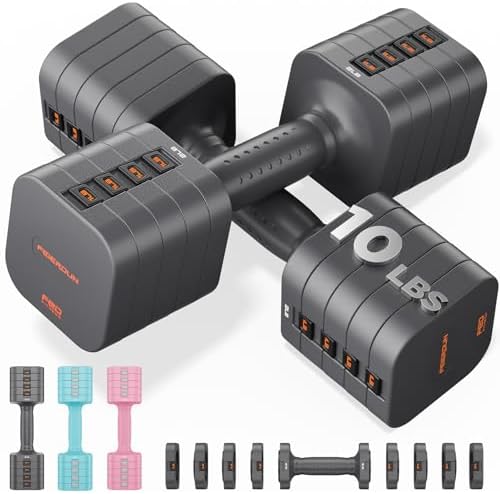
Light adjustable dumbbells for easy home workouts
A compact 5-in-1 set is perfect for beginners: switch weights in seconds and follow simple routines in your living room.
4. Not eating enough protein
Protein keeps you full and protects muscle. Include it at every meal. See how much protein you need.
5. Relying on exercise alone
Exercise is great for health, but it’s easy to eat back the calories you burn. Food changes usually drive most of the weight loss. See how to lose weight without exercise.
6. Ignoring sleep
Short sleep increases hunger and cravings. Aim for 7+ hours. See how poor sleep can make you gain weight.
7. Overestimating calories burned
Fitness trackers and gym machines often overestimate calories burned. Don’t “eat back” every calorie your watch reports.
8. Panicking over daily weigh-ins
Water, salt, hormones and digestion make your weight swing by several pounds day to day. Use weekly averages. See why you weigh less in the morning. Regular weighing helps: in one study, daily weighers lost more weight, but only when they looked at trends rather than single numbers.
9. Changing everything at once
New diet, daily workouts, no sugar, 5 am alarm… it rarely lasts. Add one or two habits at a time. Our 30-day action plan shows how.
10. Quitting after one bad day
A big meal or a missed workout doesn’t erase your progress. Get back on track at the next meal. Habits form through repetition over weeks, and occasional slips don’t stop that process.
Tools that help beginners avoid these mistakes
These are common, inexpensive options that some people find helpful. We have not personally tested these products. Links go to Amazon search results so you can compare current options and prices.
BEST FOR TREND TRACKING
Smart Scale
App graphs show weekly trends, so daily fluctuations are less discouraging. See our smart scale guide.
Pros
- Automatic logs
- Trends
- Body fat estimate
Cons
- Estimates
- Daily swings

BEST FOR PORTIONS
Digital Kitchen Scale
Weighing calorie-dense foods for a week or two helps you avoid hidden calories.
Pros
- Cheap
- Accurate
- Quick learning
Cons
- Tedious long-term
- Batteries

BEST DRINK SWAP
Sparkling Water Maker
Fizzy water at home is an easy replacement for soda.
Pros
- Replaces soda
- Reduces bottles
- Adds variety
Cons
- CO2 refills cost money
- Takes counter space

BEST FOR HABIT TRACKING
Habit Tracker Journal
Ticking off one or two daily habits keeps you focused on behaviors, not just the scale.
Pros
- Simple
- Motivating
- No app needed
Cons
- Easy to forget
- Paper only

Keep reading
Frequently asked questions
What is the biggest weight loss mistake?
Trying to lose weight too fast with an extreme diet. It’s hard to sustain and often leads to regain.
Why am I gaining weight after starting to exercise?
Often water retention from new muscle soreness, or eating more because you’re hungrier. It usually settles within a couple of weeks.
How often should beginners weigh themselves?
Daily or a few times a week is fine if you focus on the weekly average. Weekly weigh-ins work if daily numbers stress you.
Should beginners count calories?
It can help in the short term, but simple habits like the plate method also work. See weight loss without counting calories.
How long until I see results?
Many people see changes in 2–4 weeks, and clothes often fit differently before the scale moves much..
Sources
- CDC. Losing weight.
- Westenhoefer J, et al. Validation of the flexible and rigid control dimensions of dietary restraint. Int J Eat Disord. 1999.
- Steinberg DM, et al. Weighing every day matters. J Acad Nutr Diet. 2015.
- Gardner B, et al. Making health habitual: the psychology of habit-formation and general practice. Br J Gen Pract. 2012.
This article is for general information only and is not medical advice. See our Medical Disclaimer.