
How to Start a Weight Loss Journey: Your First 30 Days Action Plan
By WellnessVigor · Updated October 15, 2026 · 8 min read
This article contains affiliate links. If you buy through them, we may earn a small commission at no extra cost to you. Learn more.
The hardest part of losing weight is often knowing where to start. Should you cut carbs? Join a gym? Count calories? Trying to change everything at once usually leads to burnout within a couple of weeks.
This 30-day plan focuses on one or two new habits each week, so changes stick. By the end of the month, you’ll have a routine you can build on.
Quick answer
In your first 30 days: week 1, set a realistic goal and take baseline measurements; week 2, change your plate with more protein and vegetables and fewer sugary drinks; week 3, start walking daily and add two short strength workouts; week 4, set up meal planning, sleep and tracking routines. Aim for about 1–2 pounds a week and focus on habits, not perfection.
Table of Contents
ToggleBefore you start
- Pick your why: energy, health markers, keeping up with kids. Write it down.
- Set a realistic goal: 1–2 pounds a week is the CDC’s recommended pace, and losing even 5% of your body weight can improve health.
- Take baseline measurements: weight, waist, a photo and how your clothes fit.
- Check with your doctor if you have health conditions or take medication.
Week 1: Awareness
- Write down what you eat for 3–4 days without changing anything. Self-monitoring is one of the strongest predictors of weight loss success.
- Notice when and why you snack.
- Start drinking water with every meal.
- Walk 10–15 minutes a day.
Week 2: Change your plate
- Use the plate method: half vegetables, a quarter protein, a quarter whole-grain carbs.
- Add protein to breakfast. Try these high-protein breakfast ideas.
- Replace sugary drinks with water, tea or sparkling water.
- Reduce ultra-processed snacks; keep fruit, yogurt and nuts on hand.
Want a done-for-you plan? 35 Days to a Leaner You combines a 35-day low-carb meal plan with simple home workouts, so you know exactly what to eat and how to move each day.
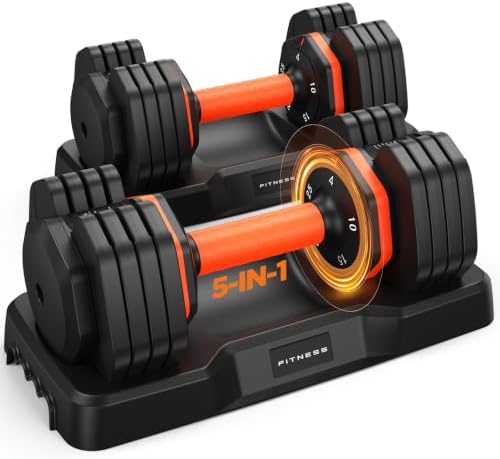
A complete home gym in one pair of dumbbells
Adjustable 5-in-1 dumbbells replace a full rack, so beginners and experienced lifters in your family can train with the same set. Strength training protects muscle while you lose fat.
Week 3: Start moving
- Walk 20–30 minutes daily or build toward 7,000+ steps. See how many steps a day you need.
- Add two 15–20 minute strength workouts. Try our standing thigh exercises or dumbbell routine.
- Stretch for 5 minutes after workouts.
Week 4: Build your system
- Plan meals for the week and prep lunches. See our meal prep ideas.
- Set a consistent bedtime for 7+ hours of sleep.
- Weigh yourself a few times a week and note the weekly average.
- Review: which habits felt easiest? Keep those and add one new habit next month.
How long until habits stick?
Research on habit formation suggests that repeating a behavior in the same context makes it gradually more automatic, often over about two months, though it varies widely from person to person. Missing a day now and then doesn’t ruin progress. Link new habits to existing cues, like walking after lunch or prepping on Sunday afternoons.
Tools for your first month
These are common, inexpensive options that some people find helpful. We have not personally tested these products. Links go to Amazon search results so you can compare current options and prices.
BEST FOR TRACKING
Smart Scale
Logs your weight automatically so you can watch the weekly trend. See our smart scale guide.
Pros
- Automatic
- Trends
- Body fat estimate
Cons
- Estimates
- Daily swings

BEST FOR STEPS
Fitness Tracker
See your step count and build up gradually.
Pros
- Steps and sleep
- Reminders
- Affordable
Cons
- Estimates
- Charging

BEST FOR JOURNALING
Food and Fitness Journal
A simple paper journal makes week-one awareness easy without apps.
Pros
- No phone needed
- Cheap
- Encourages reflection
Cons
- Easy to forget
- No automatic totals

BEST FOR HOME WORKOUTS
Resistance Band Set
An inexpensive way to start strength training at home.
Pros
- Portable
- Quiet
- Several levels
Cons
- Bands wear out
- Some lack handles

Keep reading
Frequently asked questions
What is the first step to losing weight?
Start by noticing what you eat and setting one or two small goals, such as adding protein to breakfast and walking daily.
How much weight can I lose in my first month?
Typically 4–8 pounds, sometimes more in the first weeks due to water. Results vary.
Should I start with diet or exercise?
Both help, but food changes usually have a bigger effect on weight. Exercise supports muscle, mood and long-term maintenance.
What if I slip up?
Get back on track at the next meal. One bad day doesn’t undo a week of good habits.
Do I need a gym?
No. Walking and home workouts are enough to start..
Sources
- CDC. Losing weight.
- Burke LE, et al. Self-monitoring in weight loss: a systematic review. J Am Diet Assoc. 2011.
- Gardner B, et al. Making health habitual: the psychology of habit-formation and general practice. Br J Gen Pract. 2012.
- Leidy HJ, et al. The role of protein in weight loss and maintenance. Am J Clin Nutr. 2015.
This article is for general information only and is not medical advice. See our Medical Disclaimer.