
Postpartum Weight Loss Without a Gym: Safe Exercises and Tips for New Moms
By WellnessVigor · Updated October 15, 2026 · 8 min read
This article contains affiliate links. If you buy through them, we may earn a small commission at no extra cost to you. Learn more.
After having a baby, many women feel pressure to bounce back quickly. In reality, your body has done something enormous, sleep is scarce and time for yourself is limited. Postpartum weight loss should be gradual, gentle and guided by how you recover.
This guide covers when it’s safe to start, simple exercises you can do at home with your baby nearby, and eating tips if you’re breastfeeding. It’s general information; always follow your own doctor’s or midwife’s advice.
Quick answer
Most women can begin gentle activity such as walking, pelvic floor exercises and breathing exercises soon after birth if they feel ready, then build up gradually once their doctor clears them, often around their postpartum checkup. The American College of Obstetricians and Gynecologists says many women can resume exercise gradually after childbirth, depending on how they delivered and any complications. Combine walking and short home workouts with protein-rich meals, and avoid strict diets, especially while breastfeeding.
Table of Contents
ToggleWhen can you start exercising after birth?
According to ACOG, physical activity can resume gradually after pregnancy as soon as it is medically safe, which depends on the type of delivery and any complications. Many women start with walking and pelvic floor exercises in the first weeks. After a cesarean birth or a difficult delivery, recovery takes longer. Check with your provider before starting anything more strenuous, and stop if you notice pain, heavy bleeding, or pelvic heaviness or leaking.
Realistic expectations
- Some weight drops quickly in the first weeks (baby, placenta, fluids).
- The rest usually comes off gradually over 6–12 months or more.
- Sleep loss is normal and makes weight loss harder. In a large study, mothers slept about an hour less per night in the first three months after birth. See our sleep tips for new parents.
Gentle exercises you can do at home
- Walking: start with 10 minutes and build up. Stroller walks count.
- Pelvic floor exercises (Kegels): squeeze and lift as if stopping urine, hold 5 seconds, relax 5 seconds, 10 times, several times a day.
- Diaphragmatic breathing: breathe into your belly and ribs, gently drawing in your deep core on the out-breath.
- Glute bridges (once cleared): lie on your back, knees bent, and lift your hips.
- Bodyweight squats and wall push-ups as you get stronger.
If you notice a bulge down the middle of your belly when you sit up, ask your provider about diastasis recti before doing crunches.
Want a done-for-you plan? 35 Days to a Leaner You combines a 35-day low-carb meal plan with simple home workouts, so you know exactly what to eat and how to move each day.
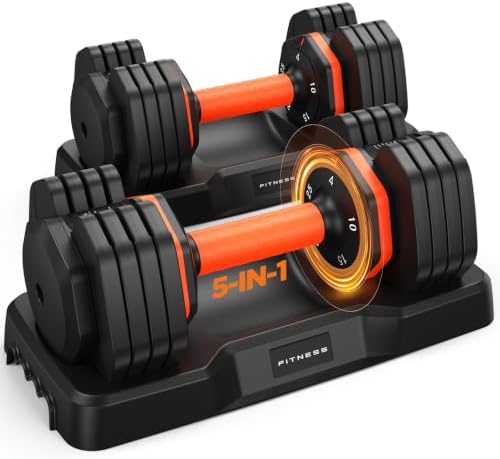
A complete home gym in one pair of dumbbells
Adjustable 5-in-1 dumbbells replace a full rack, so beginners and experienced lifters in your family can train with the same set. Strength training protects muscle while you lose fat.
Eating for weight loss after birth
- Eat regular meals with protein: eggs, yogurt, chicken, beans, fish.
- Keep easy snacks ready: fruit, nuts, cheese, hummus and vegetables.
- If breastfeeding, avoid strict calorie cutting, which can affect energy and milk supply. Aim for gradual loss.
- Drink water regularly, especially if breastfeeding.
- Accept help with meals and batch-cook when you can. See our meal prep ideas.
When to get help
Talk to your provider if you have persistent pelvic pain, leaking, heavy bleeding, or signs of postpartum depression such as low mood, anxiety or feeling unable to cope. These are common and treatable.
Helpful products for new moms
These are common, inexpensive options that some people find helpful. We have not personally tested these products. Links go to Amazon search results so you can compare current options and prices.
BEST FOR ACTIVE WALKS
Jogging Stroller
A stable, smooth stroller turns daily walks into exercise for you and fresh air for your baby.
Pros
- Smooth ride
- Large storage
- Encourages daily walks
Cons
- Expensive
- Bulky

BEST FOR HANDS-FREE WALKS
Ergonomic Baby Carrier
A supportive carrier lets you walk with your baby when a stroller isn’t practical.
Pros
- Hands-free
- Bonding time
- Good for short walks and chores
Cons
- Check fit and safety guidance
- Can strain the back if poorly adjusted

BEST FOR FLOOR EXERCISES
Thick Exercise Mat
A cushioned mat makes bridges, breathing and stretching more comfortable.
Pros
- Comfortable
- Non-slip
- Easy to store
Cons
- Takes space
- Thick mats can be less stable

BEST FOR GENTLE STRENGTH
Mini Loop Resistance Bands
Light loop bands add gentle resistance to bridges and leg moves once you’re cleared.
Pros
- Cheap
- Light
- Several levels
Cons
- Can roll
- Start light

Keep reading
Frequently asked questions
How soon can I lose weight after giving birth?
Some weight is lost right away. Gradual fat loss can begin once you’re eating well and moving gently, usually with your provider’s guidance.
Does breastfeeding help you lose weight?
It uses extra energy, which helps some women lose weight, but appetite also increases. Results vary a lot.
Can I do crunches postpartum?
Wait until you’ve checked for diastasis recti and your provider clears you. Start with breathing and deep core exercises.
How long does it take to lose baby weight?
Often 6–12 months or longer. Gradual loss is healthier and more sustainable.
Is it safe to diet while breastfeeding?
Gentle changes are usually fine, but avoid strict or very low-calorie diets. Talk to your provider or a lactation consultant.
Sources
- ACOG Committee Opinion No. 804: Physical activity and exercise during pregnancy and the postpartum period. Obstet Gynecol. 2020.
- Richter D, et al. Long-term effects of pregnancy and childbirth on sleep satisfaction and duration of first-time and experienced mothers and fathers. Sleep. 2019.
- ACOG. Physical activity and exercise during pregnancy and the postpartum period.
This article is for general information only and is not medical advice. See our Medical Disclaimer.