
Sleep Tips for New Parents: How to Rest When Your Baby Won’t Sleep
By WellnessVigor · Updated October 15, 2026 · 8 min read
This article contains affiliate links. If you buy through them, we may earn a small commission at no extra cost to you. Learn more.
Sleep deprivation is one of the hardest parts of becoming a parent. Night feeds, crying and early mornings can leave you running on empty for months.
You can’t control when your baby wakes, but you can make the most of the sleep you get. Here are practical strategies for new parents, plus what research says about how long it takes for sleep to recover.
Quick answer
To get more rest as a new parent, share night duties in shifts, nap when you can (even 20 minutes helps), go to bed earlier, keep night feeds dim and quiet, protect your sleep quality with a dark, cool room, accept help and lower expectations elsewhere. A large German study found that parents’ sleep dropped most in the first three months after birth, with mothers losing about an hour a night, and didn’t fully recover for up to six years.
Table of Contents
ToggleHow much sleep do new parents lose?
In a study of more than 4,600 parents in Germany, sleep satisfaction and duration fell sharply after birth and reached their lowest point in the first three months. Mothers slept about 62 minutes less per night than before pregnancy, fathers about 13 minutes less. Neither fully returned to pre-pregnancy levels for up to six years. In other words, if you feel exhausted, you’re not imagining it.
1. Sleep in shifts
If you have a partner, split the night: one parent handles feeds or settling from, say, 9 pm to 2 am, the other from 2 am to 7 am, so each gets a longer stretch. If breastfeeding, a partner can bring the baby, handle burping and changing, or give expressed milk for one feed.
2. Nap strategically
Short naps help. In research, a 10-minute nap gave immediate improvements in alertness, and 20 minutes also helped. Longer naps can leave you groggy at first. See why you feel worse after a nap.
Want a simple, step-by-step plan to sleep better? The 14-Day Sleep Reset guide walks you through fixing your schedule, evening routine and bedroom, one day at a time.
Wind down after a stressful day
Ashwagandha (KSM-66) is one of the most popular supplements for stress. In small studies it modestly lowered stress and improved sleep quality for some people.
Good to know: Not suitable in pregnancy or with thyroid or autoimmune conditions. Rare liver problems have been reported. Check with your doctor if you take medicines.

3. Go to bed earlier
Use the first, often longest, stretch of baby sleep for your own sleep instead of chores or screens.
4. Keep nights dim and calm
Use a dim red or amber night light for feeds, keep talking and stimulation low, and avoid checking your phone. This helps both you and your baby fall back asleep.
5. Protect your own sleep quality
- Dark, cool bedroom; earplugs for the off-duty parent.
- Limit caffeine after early afternoon, even when tired.
- Avoid alcohol, which worsens sleep quality.
6. Accept help and lower the bar
Let friends or family cook, clean or watch the baby while you nap. The house can wait.
Safe sleep reminder
For babies, follow safe sleep guidance from your pediatrician: on the back, in their own crib or bassinet, on a firm flat surface, with no pillows, blankets or soft toys. Avoid falling asleep with your baby on a sofa or armchair.
When to get help
Talk to your doctor if exhaustion feels unmanageable, you feel low, anxious or unable to cope, or you can’t sleep even when your baby sleeps. Postpartum depression and anxiety are common and treatable, and can affect either parent. If you feel unsafe, contact emergency services or a crisis line.
Products that help parents rest
These are common, inexpensive options that some people find helpful. We have not personally tested these products. Links go to Amazon search results so you can compare current options and prices.
BEST FOR NIGHT FEEDS
Red Night Light
Dim red light lets you see during night feeds without fully waking yourself or your baby.
Pros
- Gentle light
- Less disruptive than white light
- Cheap
Cons
- Plug-in placement
- Some are too bright

BEST FOR THE OFF-DUTY PARENT
Foam Earplugs
Earplugs help the parent who isn’t on duty sleep through baby noises.
Pros
- Cheap
- Effective
- Comfortable
Cons
- Only when the other parent is on duty
- Replace regularly

BEST FOR DAYTIME NAPS
Contoured Sleep Mask
Helps you nap in daylight while someone else watches the baby.
Pros
- Blocks light
- Cheap
- Portable
Cons
- Fit varies
- Some find masks warm

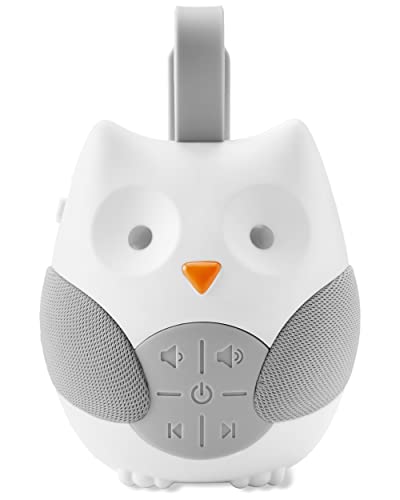
BEST FOR BABY SLEEP SOUNDS
Portable White Noise Machine
White noise can mask household sounds for both baby and parents. Keep it at a safe volume and distance from the crib.
Pros
- Masks noise
- Portable
- Many sounds
Cons
- Keep volume low
- Some babies don’t like it
Keep reading
Frequently asked questions
How do new parents survive on little sleep?
Sleeping in shifts, napping, going to bed early and accepting help make a big difference.
When do babies start sleeping through the night?
It varies widely. Many babies sleep longer stretches by 4–6 months, but night waking is normal well into the first year.
Is it safe to sleep when the baby sleeps?
Yes, as long as the baby is in a safe sleep space and you’re not sleeping with the baby on a sofa or chair.
Can sleep deprivation affect mood?
Yes. It can worsen mood and anxiety. Talk to your doctor if you feel low or overwhelmed.
Should I drink coffee when sleep-deprived?
Moderate caffeine early in the day can help, but avoid it after early afternoon so it doesn’t steal your precious sleep.
Sources
- Richter D, et al. Long-term effects of pregnancy and childbirth on sleep satisfaction and duration of first-time and experienced mothers and fathers. Sleep. 2019.
- Brooks A, Lack L. A brief afternoon nap following nocturnal sleep restriction: which nap duration is most recuperative? Sleep. 2006.
- Gardiner C, et al. The effect of caffeine on subsequent sleep: a systematic review and meta-analysis. Sleep Med Rev. 2023.
This article is for general information only and is not medical advice. See our Medical Disclaimer.