
How to Lose 15 Pounds in 3 Months Without Strict Dieting: A Realistic Plan
By WellnessVigor · Updated October 15, 2026 · 8 min read
This article contains affiliate links. If you buy through them, we may earn a small commission at no extra cost to you. Learn more.
Fifteen pounds in three months works out to a little over a pound a week, right within the 1–2 pounds a week the CDC suggests for steady, lasting weight loss. That means you don’t need a crash diet, shakes or cutting out entire food groups.
This article lays out a realistic month-by-month plan built on habits rather than strict rules. It’s based on research, not a personal story, and results vary from person to person.
Quick answer
To lose 15 pounds in 3 months without strict dieting, aim for a daily deficit of roughly 500 calories through simple swaps: more protein and vegetables, fewer ultra-processed foods and sugary drinks, plus daily walking and 2–3 strength sessions a week. Weigh yourself regularly and adjust every 2–3 weeks. Progress is rarely a straight line, so judge it by the monthly trend.
Table of Contents
ToggleIs 15 pounds in 3 months realistic?
For most people with weight to lose, yes. It requires about 1.25 pounds a week. Your first two weeks may show a bigger drop from water, then progress usually settles to around 1 pound a week. If you have less weight to lose, expect slower progress.
Why you don’t need a strict diet
Rigid all-or-nothing rules tend to backfire. A study on dietary restraint found that rigid control was linked to more binge eating and higher BMI, while flexible control was linked to lower BMI and a higher chance of successful weight loss. Small, flexible changes are easier to keep for 12 weeks and beyond.
Month 1: Build the foundation
- Add protein to every meal (eggs, yogurt, chicken, fish, beans).
- Fill half your plate with vegetables at lunch and dinner.
- Swap sugary drinks for water, sparkling water or tea.
- Walk 20–30 minutes a day.
- Weigh yourself a few mornings a week and note the weekly average.
Want a done-for-you plan? 35 Days to a Leaner You combines a 35-day low-carb meal plan with simple home workouts, so you know exactly what to eat and how to move each day.
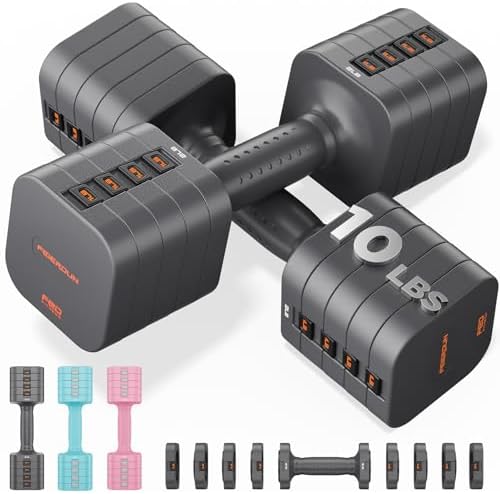
Light adjustable dumbbells for easy home workouts
A compact 5-in-1 set is perfect for beginners: switch weights in seconds and follow simple routines in your living room.
Month 2: Add strength and structure
- Start 2–3 strength workouts a week. Try our beginner dumbbell routine.
- Plan meals for the week and prep lunches.
- Cut back on ultra-processed snacks. In an NIH study, people ate about 500 more calories a day on an ultra-processed diet.
- Build up toward 7,000–10,000 daily steps.
Month 3: Fine-tune and push through stalls
- If your weekly average hasn’t moved for 2–3 weeks, trim portions slightly or add 15 minutes of walking. See how to break a weight loss plateau.
- Keep sleep at 7+ hours.
- Plan for weekends and social events instead of abandoning the plan.
- Take waist measurements and progress photos as well as weighing.
Track your progress the smart way
Self-monitoring is one of the most consistent predictors of weight loss success in research. In one study, people who weighed themselves daily lost significantly more weight than those who weighed less often. If the scale makes you anxious, weigh weekly and focus on trends. See how to track weight loss progress.
Tools that help
These are common, inexpensive options that some people find helpful. We have not personally tested these products. Links go to Amazon search results so you can compare current options and prices.
BEST FOR TRACKING TRENDS
Smart Scale
A scale that syncs with an app shows your weekly average, which is far more useful than single readings. See our smart scale guide.
Pros
- Automatic logging
- Trend graphs
- Body fat estimates
Cons
- Estimates only
- Daily fluctuations can be confusing

BEST FOR STEPS
Fitness Tracker
A tracker makes it easy to build up your daily steps week by week.
Pros
- Step and sleep tracking
- Move reminders
- Affordable options
Cons
- Estimates
- Needs charging

BEST FOR HOME STRENGTH
Adjustable Dumbbells
One pair covers a full beginner strength routine at home.
Pros
- Space saving
- Progressive
- Versatile
Cons
- Upfront cost
- Bulky handles on some

BEST FOR MEASURING
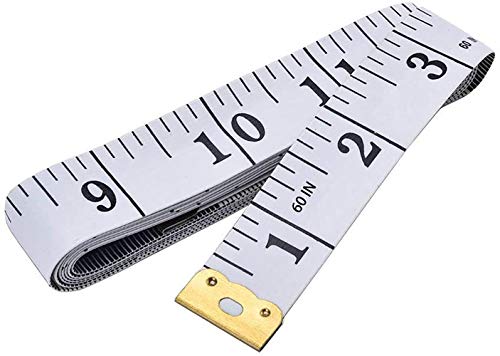
Body Tape Measure
Your waist often changes before the scale does. A retractable tape makes weekly checks easy.
Pros
- Very cheap
- Easy to use alone
- Shows non-scale progress
Cons
- Measure at the same spot each time
- Small errors are common
Keep reading
Frequently asked questions
How many calories should I eat to lose 15 pounds in 3 months?
It depends on your size, age and activity. A deficit of around 500 calories a day is a common starting point. A TDEE calculator can estimate your maintenance calories.
Can I lose 15 pounds in 3 months just by walking?
Walking helps, but it’s hard to lose that much from walking alone without changing what you eat. Combine walking with simple food changes.
What if I lose less than 15 pounds?
That’s still progress. Rate of loss varies with starting weight, sleep, stress and hormones. Focus on keeping the habits.
Will I gain the weight back?
Weight regain is common after strict diets. Habit-based changes like these are easier to keep, which helps with maintenance.
Should I cut carbs?
You can, but you don’t have to. Large studies show low-carb and low-fat diets lead to similar weight loss when people stick to them.
Sources
- CDC. Losing weight.
- Westenhoefer J, et al. Validation of the flexible and rigid control dimensions of dietary restraint. Int J Eat Disord. 1999.
- Hall KD, et al. Ultra-processed diets cause excess calorie intake and weight gain. Cell Metab. 2019.
- Steinberg DM, et al. Weighing every day matters: daily weighing improves weight loss. J Acad Nutr Diet. 2015.
- Burke LE, et al. Self-monitoring in weight loss: a systematic review of the literature. J Am Diet Assoc. 2011.
This article is for general information only and is not medical advice. See our Medical Disclaimer.