
How to Track Weight Loss Progress (Without Obsessing Over the Scale)
By WellnessVigor · Updated October 15, 2026 · 7 min read
This article contains affiliate links. If you buy through them, we may earn a small commission at no extra cost to you. Learn more.
The scale is useful, but it’s a noisy tool. Water, salt, hormones and digestion can swing your weight by several pounds from one day to the next, which makes it easy to feel discouraged even when you’re making real progress.
This guide shows you how to track progress in several ways, so you see the full picture and stay motivated.
Quick answer
Track weight loss with a weekly average of your weigh-ins rather than single readings, plus waist measurements every 2–4 weeks, monthly progress photos, how your clothes fit, strength and fitness gains and simple habit tracking. Self-monitoring is one of the most consistent predictors of weight loss success in research.
Table of Contents
ToggleWhy tracking matters
A systematic review of self-monitoring in behavioral weight loss programs found a consistent link between self-monitoring of diet, exercise and weight and better weight loss. In one study, people who weighed daily lost significantly more weight than those who weighed less often.
1. Use weekly averages, not single weigh-ins
- Weigh first thing in the morning after using the bathroom.
- Weigh 3–7 times a week and calculate the weekly average.
- Compare averages week to week.
If daily numbers upset you, weigh once a week on the same day. Learn why weight changes overnight in why you weigh less in the morning.
2. Measure your waist
Waist size is a useful marker of belly fat. Measure around your belly at the level of your navel, standing relaxed, every 2–4 weeks. The NHLBI considers a waist over 35 inches for women or 40 inches for men a sign of higher health risk.
Want a done-for-you plan? 35 Days to a Leaner You combines a 35-day low-carb meal plan with simple home workouts, so you know exactly what to eat and how to move each day.
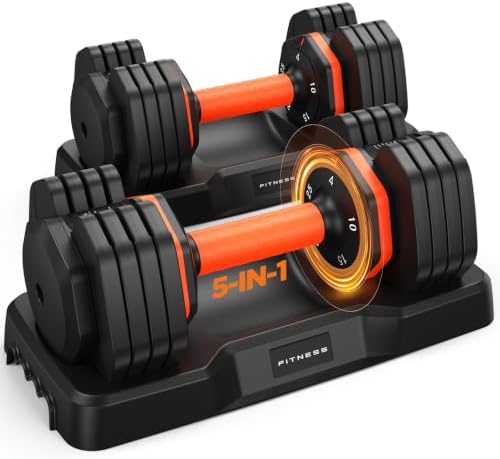
A complete home gym in one pair of dumbbells
Adjustable 5-in-1 dumbbells replace a full rack, so beginners and experienced lifters in your family can train with the same set. Strength training protects muscle while you lose fat.
3. Take progress photos
Take front, side and back photos every 4 weeks in the same clothes, lighting and position.
4. Notice how clothes fit
Try on the same pair of jeans or shirt every couple of weeks. It’s often the first sign of change.
5. Track strength and fitness
More reps, heavier weights, more steps or walking faster are signs of progress, especially when the scale is slow. Strength training can change your shape before your weight changes much.
6. Track habits, not just results
Tick off daily behaviors: protein at each meal, steps, sleep, workouts. Habits drive results, and tracking them keeps you focused on what you control.
How to avoid obsessing
- Limit checks to set days.
- Look at trends over 2–4 weeks.
- Use several measures, not just weight.
- Take a break from tracking if it causes anxiety, and talk to a professional if you have a history of disordered eating.
Tools for tracking progress
These are common, inexpensive options that some people find helpful. We have not personally tested these products. Links go to Amazon search results so you can compare current options and prices.
BEST FOR WEEKLY AVERAGES
Smart Scale
Logs weight automatically and graphs trends. See our smart scale guide.
Pros
- Automatic logs
- Trend graphs
- App sync
Cons
- Body fat is estimated
- Daily swings

BEST FOR WAIST TRACKING
Retractable Body Tape Measure
A lockable body tape makes waist measurements easy to do alone.
Pros
- Cheap
- Easy one-handed use
- Consistent tension
Cons
- Measure at the same spot
- Small errors common

BEST FOR PHOTOS
Phone Tripod with Remote
Consistent progress photos from the same angle every month.
Pros
- Consistent framing
- Cheap
- Portable
Cons
- Extra item
- Lighting still matters

BEST FOR HABITS
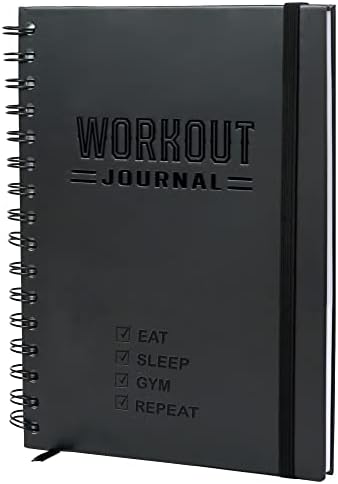
Fitness and Habit Journal
Track daily habits, workouts and measurements in one place.
Pros
- No app needed
- Motivating
- Structured
Cons
- Paper only
- Easy to forget
Keep reading
Frequently asked questions
How often should I weigh myself?
Daily or a few times a week works well if you use the weekly average. Weekly is fine if daily weighing stresses you.
Why does my weight go up and down?
Water, salt, carbs, hormones, digestion and exercise soreness can change your weight by a few pounds day to day.
Are body fat scales accurate?
They estimate body fat and are best used for trends rather than exact numbers.
What are non-scale victories?
Better-fitting clothes, more energy, better sleep, improved strength and lower waist measurements.
How often should I measure my waist?
Every 2–4 weeks, at the same spot and time of day.
Sources
This article is for general information only and is not medical advice. See our Medical Disclaimer.