
Can You Catch Up on Sleep on Weekends? What Research Says
By WellnessVigor · Updated October 14, 2026 · 7 min read
This article contains affiliate links. If you buy through them, we may earn a small commission at no extra cost to you. Learn more.
Short nights Monday to Friday, then a long lie-in on Saturday and Sunday: for millions of people that’s the weekly rhythm. It feels like the weekend balances the books. But does it really?
Here’s what studies show about weekend recovery sleep, what it can and can’t fix, and a smarter way to pay back sleep debt.
Quick answer
Partly. Weekend sleep can ease sleepiness and may offset some long-term risks, but it doesn’t fully reverse the effects of short weeknights. In a controlled study, people who slept 5 hours on weeknights and as long as they liked on the weekend still ate more after dinner, gained weight and lost insulin sensitivity once the workweek started again. Sleeping enough every night, with no more than about an hour’s difference at weekends, works better.
Table of Contents
ToggleWhat happens when you try to catch up
In a University of Colorado study, healthy young adults were split into three groups: 9 hours of sleep opportunity a night, 5 hours every night, or 5 hours on weeknights followed by a weekend where they could sleep as much as they wanted.
- The weekend group slept only about 1.1 hours more than normal across the weekend, far less than they had lost.
- When the short nights resumed, their body clocks were delayed, they ate more after dinner and gained weight.
- Their insulin sensitivity dropped by 9–27% across the whole body, liver and muscle.
The researchers concluded that weekend recovery sleep is not an effective way to prevent the metabolic effects of repeated short sleep.
Is there any benefit to sleeping in?
Some. A Swedish study following 43,880 adults for 13 years found that people under 65 who slept 5 hours or less on both weekdays and weekends had a higher death rate than those consistently sleeping 6–7 hours. But people who slept short on weekdays and longer on weekends had a rate similar to the reference group, suggesting weekend sleep may compensate for some long-term risk.
So sleeping in when you’re exhausted is better than nothing. The catch is that it doesn’t protect your metabolism day to day, and big lie-ins shift your body clock later, creating social jetlag.
Why you can’t simply repay sleep debt
- You can’t sleep all the hours back: the body only takes some extra sleep, as the study above showed.
- Effects build up: in a lab study, people limited to 6 hours a night for two weeks developed thinking deficits similar to one to two nights without sleep. See is 6 hours of sleep enough?
- Late lie-ins delay your clock, making Sunday night sleep harder and starting the cycle again.
Want to stop relying on weekend lie-ins? The 14-Day Sleep Reset guide helps you build a sleep routine that works every night.
Low-dose 3 mg melatonin gummies
A gentler dose for occasional sleepless nights, jet lag or getting back on schedule after the weekend.
Good to know: Avoid in pregnancy and check with your doctor if you take blood thinners, diabetes or epilepsy medicines.

A better way to recover from a short week
- Go to bed earlier on Friday and Saturday rather than waking much later.
- Limit lie-ins to about an hour beyond your weekday wake time.
- Take a short nap (10–20 minutes, before about 3 pm) if you’re sleepy.
- Get morning light on weekends too.
- Fix the weekdays: adding even 20–30 minutes a night adds up to 2–2.5 hours a week.
For a structured approach, see our 7-day sleep schedule reset.
Products that help you sleep more on weeknights
These can make an earlier bedtime and a darker, quieter room easier. We have not personally tested these products. Links go to Amazon search results so you can compare options and prices.
BEST FOR SEEING YOUR SLEEP DEBT
Sleep Tracker Watch
A tracker shows how much your weekday and weekend sleep actually differ, which makes the problem concrete.
Pros
- Automatic sleep logging
- Shows weekday vs weekend patterns
- Bedtime reminders
Cons
- Estimates only
- Needs charging

BEST FOR EARLIER BEDTIMES
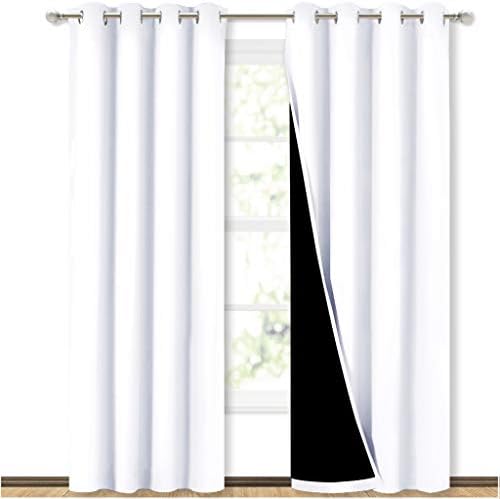
Blackout Curtains
Going to bed earlier is easier in a dark room, especially in summer. See our blackout curtain guide.
Pros
- Blocks outside light
- Can reduce noise
- Long-lasting
Cons
- Need correct size
- Can make waking harder without light
BEST FOR NOISY WEEKENDS
White Noise Machine
Weekend mornings can be noisy. White noise masks sudden sounds so you can sleep a little longer without big lie-ins.
Pros
- Masks noise
- Many sound options
- No phone needed
Cons
- Some prefer silence
- Cheap models may loop

BEST FOR CONSISTENT WAKE TIMES
Sunrise Alarm Clock
A gentle light alarm helps you keep a similar wake time at weekends without a jarring alarm.
Pros
- Gentle wake-up
- Sunset mode
- Helps in winter
Cons
- Weaker than daylight
- Quality varies

Keep reading
Frequently asked questions
How long does it take to recover from sleep debt?
Feeling less sleepy can take a night or two, but research suggests full recovery of attention and metabolism takes several nights of adequate sleep, and weekend sleep alone isn’t enough.
Is it bad to sleep 10 hours on weekends?
Occasionally it’s fine if you’re very short on sleep. Regularly sleeping much longer on weekends usually means you aren’t sleeping enough during the week, and it shifts your body clock later.
Do naps count toward catching up on sleep?
Short naps reduce sleepiness and can partly make up for a short night. Keep them under about 20–30 minutes and before mid-afternoon.
Can weekend sleep help with weight loss?
Not reliably. In the Colorado study, weekend recovery sleep didn’t prevent extra eating or weight gain during short-sleep weeks.
What is the best weekend sleep schedule?
Keep your wake time within about an hour of your weekday time and go to bed earlier if you need more sleep.
Sources
- Depner CM, et al. Ad libitum weekend recovery sleep fails to prevent metabolic dysregulation during a repeating pattern of insufficient sleep and weekend recovery sleep. Curr Biol. 2019.
- Åkerstedt T, et al. Sleep duration and mortality: does weekend sleep matter? J Sleep Res. 2019.
- Van Dongen HP, et al. The cumulative cost of additional wakefulness. Sleep. 2003.
- Watson NF, et al. Recommended amount of sleep for a healthy adult. Sleep. 2015.
This article is for general information only and is not medical advice. See our Medical Disclaimer.