
Best Supplements for Workout Recovery: What Actually Works (Evidence-Based Picks)
By WellnessVigor · Updated October 15, 2026 · 8 min read
This article contains affiliate links. If you buy through them, we may earn a small commission at no extra cost to you. Learn more.
The supplement aisle is full of products promising faster recovery, less soreness and bigger gains. Most have little evidence. A few, however, are well researched and genuinely useful when your diet and sleep are already in decent shape.
Here are the recovery supplements with the strongest evidence, how to use them and popular options to compare. This is general information, not medical advice.
Quick answer
The best-supported supplements for workout recovery are protein (if you struggle to meet needs from food) and creatine monohydrate, both backed by International Society of Sports Nutrition position stands. Tart cherry juice has some evidence for reducing soreness after hard endurance events, and omega-3s and electrolytes can help in specific situations. Sleep, enough calories and rest days matter more than any supplement.
Table of Contents
Toggle1. Protein
The International Society of Sports Nutrition says most exercising people benefit from about 1.4–2.0 g of protein per kg of body weight per day, spread across meals of roughly 20–40 g. Protein powder is simply a convenient way to reach that if food falls short. See how much protein you need and our protein supplement buying guide.
2. Creatine monohydrate
Creatine is one of the most researched supplements. The ISSN position stand concludes it is effective for improving high-intensity exercise capacity and lean mass and may help recovery, and that it is safe for healthy people at recommended doses (commonly 3–5 g a day). Learn more in our creatine guide.
3. Tart cherry juice
In a study of marathon runners, those who drank tart cherry juice before and after the race recovered strength faster and had lower markers of inflammation. A review of fruit-derived polyphenols suggests they may help recovery after very demanding exercise. Benefits for everyday gym sessions are less clear.
Want a done-for-you plan? 35 Days to a Leaner You combines a 35-day low-carb meal plan with simple home workouts, so you know exactly what to eat and how to move each day.
4. Omega-3 fish oil
Omega-3s support general health and may modestly reduce muscle soreness in some studies, though evidence is mixed. See our omega-3 guide.
5. Electrolytes
Useful for long, hot or very sweaty sessions to replace sodium and fluid. Not needed for short workouts.
What to skip
- BCAAs: unnecessary if you eat enough total protein.
- Proprietary blends that hide doses.
- “Testosterone boosters” with little evidence.
Recovery basics come first: sleep 7–9 hours, eat enough, and take rest days. See exercise regularly but still tired?
Popular recovery supplements to compare
These are common, inexpensive options that some people find helpful. We have not personally tested these products. Links go to Amazon search results so you can compare current options and prices.
BEST PROTEIN
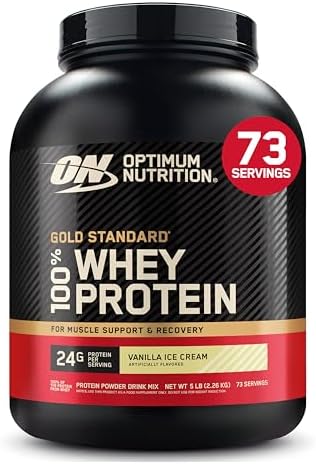
Optimum Nutrition Gold Standard Whey
A long-established whey protein with about 24 g protein per scoop, widely available in many flavors.
Pros
- Well-known brand
- Mixes easily
- Many flavors
Cons
- Contains dairy
- Check sweeteners
BEST CREATINE
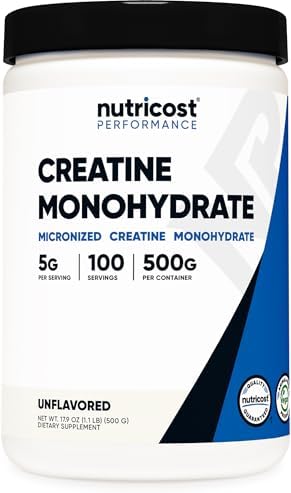
Creatine Monohydrate Powder
Plain creatine monohydrate is the researched form. Unflavored powder mixes into any drink.
Pros
- Most researched supplement
- Inexpensive
- Unflavored
Cons
- Can cause mild water weight
- Some brands clump
BEST FOR ENDURANCE RECOVERY
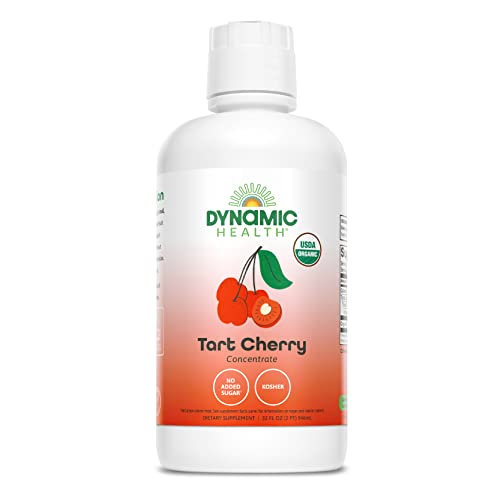
Tart Cherry Juice Concentrate
Tart cherry has some evidence for faster recovery after demanding endurance events.
Pros
- Some research support
- Easy to mix
- May also aid sleep
Cons
- Natural sugars
- Tart taste
BEST OMEGA-3
Fish Oil Softgels
A simple way to increase omega-3 intake if you eat little fish.
Pros
- Supports general health
- Easy to take
- Many strengths
Cons
- Fishy aftertaste for some
- Check for third-party testing

BEST ELECTROLYTES
Electrolyte Drink Mix
Replaces sodium and fluid after long, sweaty sessions.
Pros
- Supports hydration
- Portable
- Sugar-free options
Cons
- Not needed for short workouts
- Taste varies

Safety
Choose third-party tested products (such as NSF Certified for Sport or Informed Sport) where possible. Talk to your doctor before taking supplements if you have kidney disease, are pregnant or take medication.
Keep reading
Frequently asked questions
What is the best supplement for muscle recovery?
Protein (if you don’t get enough from food) and creatine monohydrate have the strongest evidence.
When should I take protein after a workout?
Total daily protein matters most. Having 20–40 g within a couple of hours of training is a practical habit.
Is creatine safe?
For healthy people at recommended doses, research shows creatine is safe. Check with a doctor if you have kidney problems.
Do I need BCAAs?
Not if you eat enough protein; complete protein already contains BCAAs.
Can supplements replace sleep for recovery?
No. Sleep and rest days are the foundation of recovery.
Sources
- Jäger R, et al. International Society of Sports Nutrition position stand: protein and exercise. J Int Soc Sports Nutr. 2017.
- Kreider RB, et al. ISSN position stand: safety and efficacy of creatine supplementation in exercise, sport, and medicine. J Int Soc Sports Nutr. 2017.
- Howatson G, et al. Influence of tart cherry juice on indices of recovery following marathon running. Scand J Med Sci Sports. 2010.
- Bowtell J, Kelly V. Fruit-derived polyphenol supplementation for athlete recovery and performance. Sports Med. 2019.
This article is for general information only and is not medical advice. See our Medical Disclaimer.