
What Is Obesity? BMI Classes, Causes, Health Risks and Treatment Options
By WellnessVigor · Updated October 16, 2026 · 10 min read
This article contains affiliate links. If you buy through them, we may earn a small commission at no extra cost to you. Learn more.
Obesity is one of the most common health conditions in the United States. According to the CDC, about 4 in 10 American adults have obesity, and nearly 1 in 10 has severe obesity. It is not a matter of willpower or a character flaw. It is a long-term health condition shaped by genes, environment, sleep, stress, medications and the food around us.
This guide explains how obesity is measured, the BMI classes, what causes it, the health risks, and the treatment options that research supports, so you can understand where you stand and what to do next.
Quick answer
Obesity is usually defined as a body mass index (BMI) of 30 or higher. It is divided into Class 1 (30 to 34.9), Class 2 (35 to 39.9) and Class 3, or severe obesity (40 or higher). Because BMI does not measure body fat directly, doctors increasingly confirm it with waist size or other measures. Losing just 5% to 10% of your body weight can significantly improve blood sugar, blood pressure and cholesterol.
Table of Contents
ToggleWhat is obesity?
Obesity means having excess body fat that affects, or may affect, your health. Doctors usually screen for it with BMI, which compares your weight to your height. Use our BMI calculator to find yours.
In 2025, a global commission of experts published in The Lancet Diabetes & Endocrinology proposed a more detailed approach. They suggested that BMI alone should not be used to diagnose obesity and that excess fat should be confirmed with another measure such as waist size, waist-to-height ratio or a body fat scan. They also separated preclinical obesity (excess fat with organs still working normally) from clinical obesity (excess fat that is already causing health problems or limiting daily activities). Not all organizations have adopted this framework yet, but it reflects a move toward looking at the whole person, not just the scale.
BMI classes explained
| BMI | Category |
|---|---|
| Below 18.5 | Underweight |
| 18.5 to 24.9 | Healthy weight |
| 25 to 29.9 | Overweight |
| 30 to 34.9 | Obesity Class 1 |
| 35 to 39.9 | Obesity Class 2 |
| 40 or higher | Obesity Class 3 (severe obesity) |
Some guidelines use lower BMI cutoffs for people of Asian descent, who tend to develop diabetes and heart disease at lower body weights.
What these numbers look like by height:
| Height | BMI 30 | BMI 35 | BMI 40 |
|---|---|---|---|
| 5′2″ | 164 lb | 191 lb | 219 lb |
| 5′4″ | 175 lb | 204 lb | 233 lb |
| 5′8″ | 197 lb | 230 lb | 263 lb |
| 5′10″ | 209 lb | 244 lb | 279 lb |
| 6′0″ | 221 lb | 258 lb | 295 lb |
| 6′2″ | 234 lb | 273 lb | 312 lb |
Why waist size matters too
BMI cannot tell fat from muscle, or show where fat is stored. Fat around the belly, called visceral fat, is the most harmful kind. Health risk rises with a waist of more than 40 inches in men or 35 inches in women. Another simple check: your waist should be less than half your height. Measure around your bare belly at the level of your belly button, after breathing out normally. Learn more in what visceral fat is and how to lose it.
Want a done-for-you plan? 35 Days to a Leaner You combines a 35-day low-carb meal plan with simple home workouts, so you know exactly what to eat and how to move each day.
A complete home gym in one pair of dumbbells
Adjustable 5-in-1 dumbbells replace a full rack, so beginners and experienced lifters in your family can train with the same set. Strength training protects muscle while you lose fat.

How common is obesity in the US?
CDC data from 2021 to 2023 show that 40.3% of US adults have obesity and 9.4% have severe obesity. Rates are highest in middle age: 46.4% of adults aged 40 to 59 have obesity. Severe obesity has risen over the past decade, from 7.7% to 9.7% (age-adjusted). About 30% of Canadian adults have obesity. See our full US obesity statistics.
What causes obesity?
At its simplest, weight gain happens when you take in more energy than you use over time. But many forces push that balance in the wrong direction:
- Genes. Studies of twins and families suggest genes explain a large share of the differences in body weight between people. Genes affect appetite, fullness and how the body stores fat.
- Ultra-processed food. In a tightly controlled NIH study, people ate about 500 more calories a day on an ultra-processed diet than on an unprocessed diet with the same nutrients available, and gained weight.
- Sitting most of the day. Desk jobs, long commutes and screen time reduce daily movement.
- Poor sleep. Short sleep increases hunger hormones and cravings. See how sleep affects weight.
- Stress and emotional eating.
- Medications such as some antidepressants, antipsychotics, steroids and certain diabetes medicines.
- Medical conditions such as an underactive thyroid, PCOS and Cushing’s syndrome.
- Age and hormones, including menopause and falling testosterone in men.
Health risks of obesity
Obesity raises the risk of many serious conditions, including:
- Type 2 diabetes and prediabetes
- High blood pressure, heart disease and stroke
- Obstructive sleep apnea
- Fatty liver disease
- Knee and hip osteoarthritis and back pain
- Several types of cancer
- Gallbladder disease
- Fertility problems and pregnancy complications
- Depression and lower quality of life
The good news is that many of these risks fall as weight comes down, often with surprisingly modest weight loss.
Why losing 5% to 10% makes a big difference
You do not need to reach a “normal” BMI to benefit. In the Look AHEAD study of adults with type 2 diabetes, those who lost 5% to 10% of their body weight were about 3.5 times more likely to improve their blood sugar, and more likely to improve blood pressure, HDL cholesterol and triglycerides, than those whose weight stayed the same. In the Diabetes Prevention Program, a lifestyle program aiming for 7% weight loss and 150 minutes of activity a week cut the risk of developing diabetes by 58%.
For a 250 lb person, 5% to 10% is just 12 to 25 lb.
Treatment options for obesity
- Lifestyle changes: a calorie deficit, high-protein and high-fiber meals, regular activity and better sleep. This is the foundation for everyone. Start with our 12-week plan to lose weight with obesity.
- Medication: GLP-1 medicines such as semaglutide (Wegovy) and tirzepatide (Zepbound) can lead to 15% to 20% weight loss on average in trials. See our guide to GLP-1 weight loss drugs.
- Metabolic and bariatric surgery: recommended for people with a BMI of 35 or more, or 30 to 34.9 with metabolic disease. Read weight loss surgery vs GLP-1 drugs.
Many people combine these approaches. Talk to your doctor about what is right for you.
Tools to track your progress
These are common, inexpensive options that some people find helpful. We have not personally tested these products. Links go to Amazon so you can check current prices and reviews.
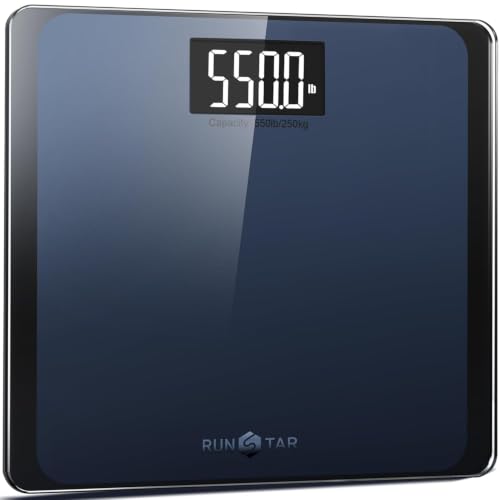
BEST HIGH-CAPACITY SCALE
RunStar 550 lb Bathroom Scale
A wide, sturdy platform and a 550 lb capacity make it accurate and comfortable for people of all sizes.
Pros
- 550 lb capacity
- Extra-wide platform
- Large, easy-to-read display
Cons
- Weight only, no body fat
BEST FOR WAIST TRACKING
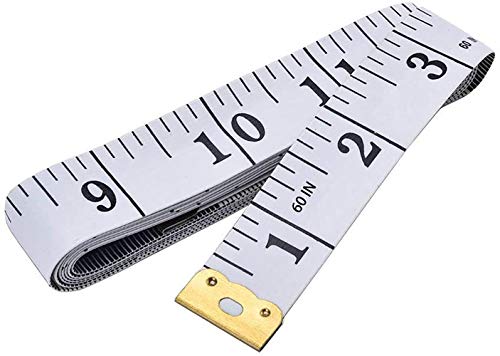
Soft Body Measuring Tape
Tracking your waist every two weeks shows fat loss even when the scale stalls.
Pros
- Very cheap
- Inches and centimeters
- Flexible
Cons
- Measure at the same spot each time
BEST BLOOD PRESSURE MONITOR
Omron Bronze Upper Arm Blood Pressure Monitor
High blood pressure is common with obesity. Checking at home helps you and your doctor see the benefits of weight loss.
Pros
- Trusted brand
- Simple one-button use
- Upper arm cuff accuracy
Cons
- Check that the cuff size fits your arm

Keep reading
- Obesity statistics in the US
- How to lose weight with obesity: a 12-week plan
- Obesity in men
- Obesity in women
- Is BMI accurate?
Frequently asked questions
What BMI is considered obese?
A BMI of 30 or higher is classified as obesity. A BMI of 40 or higher is severe (Class 3) obesity.
Is obesity a disease?
Major medical organizations, including the American Medical Association, recognize obesity as a chronic disease that needs long-term care, not just willpower.
Can you be obese and healthy?
Some people with obesity have normal blood tests for a time, but their long-term risk of diabetes, heart disease and joint problems is still higher. Regular checkups are important.
How much weight do I need to lose to improve my health?
Even 5% to 10% of your body weight can improve blood sugar, blood pressure and cholesterol.
Is BMI accurate for muscular people?
No. Very muscular people can have a high BMI without excess fat. Waist size or body fat measurements give a better picture.
Sources
- CDC National Center for Health Statistics. Obesity and severe obesity prevalence in adults: United States, August 2021–August 2023. NCHS Data Brief No. 508. CDC. 2024.
- Rubino F, et al. Definition and diagnostic criteria of clinical obesity. Lancet Diabetes Endocrinol. 2025.
- Wing RR, et al. Benefits of modest weight loss in improving cardiovascular risk factors in overweight and obese individuals with type 2 diabetes. Diabetes Care. 2011.
- Knowler WC, et al. Reduction in the incidence of type 2 diabetes with lifestyle intervention or metformin. N Engl J Med. 2002.
- Hall KD, et al. Ultra-processed diets cause excess calorie intake and weight gain. Cell Metab. 2019.
- Eisenberg D, et al. 2022 ASMBS and IFSO indications for metabolic and bariatric surgery. Surg Obes Relat Dis. 2022.
This article is for general information only and is not medical advice. See our Medical Disclaimer..