
Weight Loss for Corporate Employees: How to Lose Weight With Long Hours, Meetings and Stress
By WellnessVigor · Updated October 15, 2026 · 9 min read
This article contains affiliate links. If you buy through them, we may earn a small commission at no extra cost to you. Learn more.
Corporate jobs rarely make time for health. Your day is meetings, emails and deadlines. Lunch is eaten at your desk, dinners are with clients, and the only walking you do is to the coffee machine. Add stress and late nights, and the weight creeps on year after year.
This plan is for people who cannot block two hours a day for the gym. It works inside the job you already have.
Quick answer
Turn some meetings into walking or standing calls, take a 2–5 minute movement break each hour, eat a protein-heavy breakfast and lunch so you are not starving at 6 pm, set a simple rule for client dinners and office snacks, and protect sleep. Two or three short strength sessions a week finish the job.
Table of Contents
ToggleWhy corporate jobs cause weight gain
It is not a lack of willpower. It is the structure of the day:
- Sitting 9–11 hours: commute, desk and evening screen time add up.
- Stress: long-term stress raises cortisol and pushes people toward high-calorie comfort food. See chronic stress and high cortisol.
- Decision fatigue: after a full day of decisions, the easy food choice wins.
- Social eating: birthday cake, pastries in meetings, client lunches, after-work drinks.
- Short sleep: late emails and early starts cut sleep, which raises appetite.
A large meta-analysis of more than a million adults found that people who sat over 8 hours a day and moved little had the highest risk of early death. But people who did about 60–75 minutes of moderate activity daily showed no extra risk from sitting. In other words, movement offsets the desk — and you can collect it in pieces.
Collect movement in pieces through the workday
- Walking meetings: one-to-ones and phone calls work well on foot.
- Stand for video calls when your camera allows it.
- The hourly reset: set a reminder at 50 minutes past each hour. Stand, walk to refill water, or do 10 squats.
- Use the far bathroom and the stairs, every time.
- Walk after lunch for 10–15 minutes. Light walking after sitting lowers post-meal blood sugar more than standing alone.
- Park further away or get off transit one stop early.
None of these are workouts, but together they can add 3,000–5,000 steps a day.
The 4-minute desk-side circuit
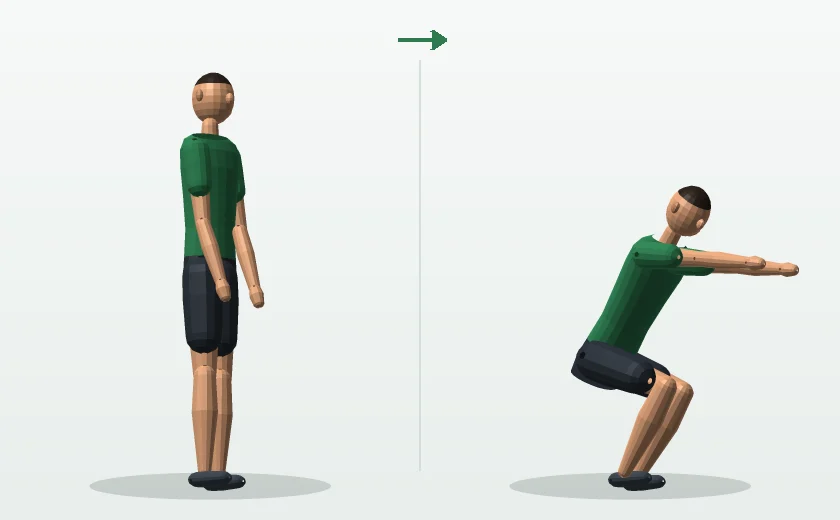
For days you cannot leave the floor, do this once or twice in the afternoon:
- Bodyweight squats – 15 reps
- Standing knee-to-elbow – 10 per side
- Desk push-ups (hands on desk edge) – 10 reps
- Calf raises – 20 reps
- Standing twist – 30 seconds
No sweat, no change of clothes. It wakes up big muscles and breaks up long sitting.
Want a done-for-you plan? 35 Days to a Leaner You combines a 35-day low-carb meal plan with simple home workouts, so you know exactly what to eat and how to move each day.
Burn calories at home, rain or shine
A magnetic exercise bike is quiet enough for early mornings and small apartments. One purchase, years of workouts for the whole household.

Eat so you are not starving at 6 pm
Most corporate overeating happens after work, when you have skipped breakfast and eaten a light or rushed lunch. Front-load protein instead:
- Breakfast: 25–30 g protein. Try our high-protein breakfast ideas.
- Lunch: protein + vegetables + a modest portion of carbs. Bring it from home 2–3 days a week; meal prep ideas make this easy.
- Afternoon snack: plan one — yogurt, nuts, fruit, a protein bar.
- Dinner: eat at a sensible time where possible; see best time to eat dinner.
Simple rules for office food and client dinners
- Office treats: the “one time per week” rule. Pick the occasion that matters, skip the rest.
- Client dinners: order a protein main, add vegetables, share dessert or skip it.
- Drinks: one drink, then sparkling water with lime. Nobody notices.
- Coffee: black, or a small latte. Syrup drinks are a dessert.
Desk tools that make it easier
These are common, inexpensive options that some people find helpful. We have not personally tested these products. Links go to Amazon so you can check current prices and reviews.
BEST FOR STANDING CALLS
Desktop standing desk converter
Sits on top of your current desk and lets you switch to standing for calls without replacing your furniture.
Pros
- No new desk needed
- Quick sit-to-stand switch
Cons
- Takes up desk depth
- Heavier models are hard to move

BEST FOR WALKING WHILE WORKING
Under-desk walking pad
A slow walking pad turns email time into easy steps. Compare models in our walking pad guide.
Pros
- Quiet at low speed
- Slides under a desk or sofa
Cons
- Needs a standing desk
- Typing while walking takes practice

BEST FOR TAKING LUNCH TO WORK
Insulated lunch bag
Bringing lunch from home two or three days a week is one of the simplest ways to control calories on workdays.
Pros
- Keeps food cold for hours
- Fits meal prep containers
Cons
- One more thing to carry
- Needs regular cleaning

Strength training for busy people
Muscle helps keep your metabolism up while you lose weight. Two or three 20–30 minute sessions a week are enough to start. You can do them at home with dumbbells — try our dumbbell exercises for fat loss at home — or at a gym near the office before or after work.
Stress and sleep
You cannot remove work stress, but you can stop it running your evenings:
- Set an email cut-off time on most nights.
- Take a short walk after work to switch off before eating dinner.
- Keep a regular bedtime and wake time; see the best evening routine for better sleep.
Keep reading
Frequently asked questions
How can I lose weight with a 10-hour office job?
Collect movement in small pieces (walking calls, hourly breaks, a walk after lunch), eat protein early in the day, plan your snacks and do two or three short strength sessions a week.
Do standing desks help you lose weight?
A little. Standing burns roughly 0.15 extra calories per minute compared with sitting, so a standing desk alone will not cause much weight loss. Walking breaks make a bigger difference.
Is work stress making me gain weight?
It can. Chronic stress tends to increase appetite and cravings, and often cuts sleep. Managing evenings and sleep helps more than trying to eliminate stress.
Sources
- Ekelund U, et al. Does physical activity attenuate, or even eliminate, the detrimental association of sitting time with mortality? Lancet. 2016.
- Buffey AJ, et al. The acute effects of interrupting prolonged sitting time with standing and light-intensity walking on biomarkers of cardiometabolic health. Sports Med. 2022.
- Saeidifard F, et al. Differences of energy expenditure while sitting versus standing: a systematic review and meta-analysis. Eur J Prev Cardiol. 2018.
- Levine JA, et al. Interindividual variation in posture allocation: possible role in human obesity. Science. 2005.
This article is for general information only and is not medical advice. See our Medical Disclaimer.