
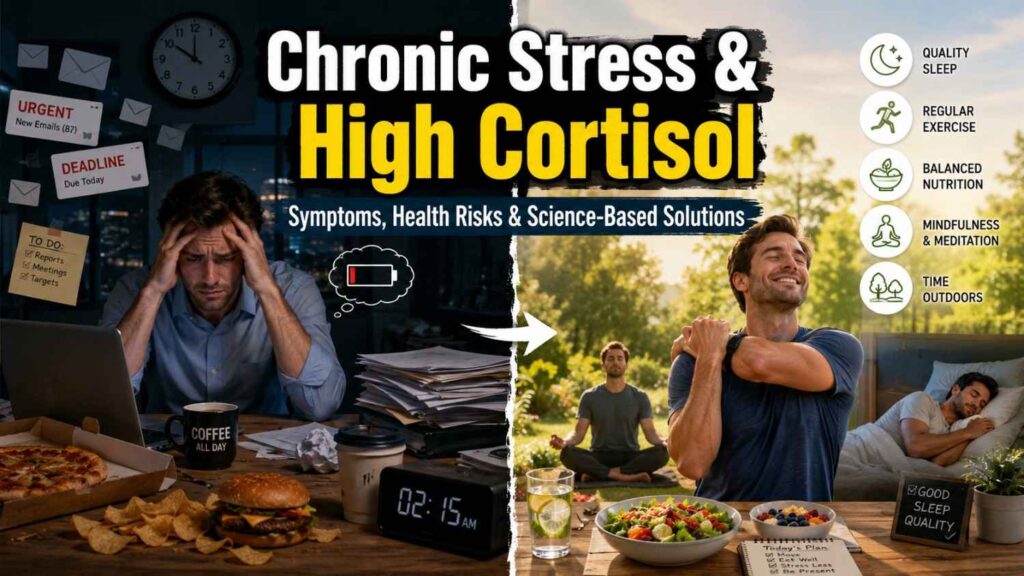
Chronic Stress & High Cortisol: Symptoms, Causes, and Science-Based Ways to Lower It Naturally
Stress has become one of the defining health challenges of modern life. Whether it’s work deadlines, financial pressure, family responsibilities, poor sleep, or the constant stream of notifications from our phones, many people feel like they’re living in a permanent state of “fight or flight.”
While short-term stress is a normal part of life—and can even help you stay focused and react quickly to challenges—chronic stress is a different story. When your body remains under stress for weeks, months, or even years, it can begin to affect nearly every organ system. One of the key players behind these changes is cortisol, often referred to as the stress hormone.
Cortisol is essential for survival. It helps regulate your metabolism, immune system, blood pressure, blood sugar, sleep-wake cycle, and your body’s response to physical and emotional stress. Problems arise not because cortisol exists, but because stress becomes chronic and the body’s normal regulation of cortisol is disrupted.
Persistently elevated cortisol levels have been linked to a wide range of health issues, including:
- Weight gain, especially around the abdomen
- High blood pressure
- Type 2 diabetes
- Heart disease
- Anxiety and depression
- Sleep disturbances
- Memory and concentration problems
- Digestive disorders
- Frequent infections
- Hair loss and skin changes
The good news is that many people can improve their stress response through evidence-based lifestyle changes. Better sleep, regular physical activity, a balanced diet, mindfulness practices, and, in some cases, carefully chosen supplements may help support healthy cortisol regulation and improve overall well-being.
In this comprehensive guide, you’ll learn:
- What stress really is
- How cortisol works in the body
- The difference between healthy and unhealthy stress
- Common causes of chronically elevated cortisol
- Signs and symptoms to watch for
- How chronic stress affects different organs
- Science-backed ways to reduce stress naturally
- When supplements may be helpful
- When it’s important to seek medical advice
Let’s start by understanding what stress actually is.

Table of Contents
ToggleWhat Is Stress?
Stress is your body’s natural response to a challenge, demand, or perceived threat. It is not inherently bad. In fact, without stress, humans would struggle to survive dangerous situations or adapt to changing environments.
When your brain senses a threat—whether it’s an approaching car, a difficult work presentation, or a financial problem—it activates a complex network involving your nervous system and endocrine (hormonal) system. This response prepares your body to take action.
During a stress response, several changes happen almost instantly:
- Your heart beats faster.
- Your breathing becomes quicker.
- Blood flow shifts toward your muscles.
- Blood sugar rises to provide quick energy.
- Your senses become more alert.
- Digestion temporarily slows down.
- The hormones adrenaline and cortisol are released.
This coordinated response is often called the “fight-or-flight” response, a survival mechanism that helped our ancestors escape predators and other immediate dangers.
Stress Is Not Always Harmful
Not all stress is bad. Experts often distinguish between:
Eustress (Positive Stress):
This is the type of stress that motivates and energizes you. Examples include preparing for a competition, starting a new job, or planning a wedding. Eustress is usually short-lived and can enhance performance.
Distress (Negative Stress):
This occurs when stress becomes overwhelming, persistent, or difficult to manage. Chronic distress can contribute to physical and mental health problems if left unaddressed.
Modern Stress Is Different
Unlike our ancestors, who experienced short bursts of stress followed by recovery, many people today face ongoing stressors such as:
- Work pressure
- Financial worries
- Relationship conflicts
- Poor sleep
- Social media overload
- Constant digital connectivity
- Chronic illness
- Caregiving responsibilities
These stressors may not threaten immediate survival, but the body often responds as if they do—keeping stress hormones elevated for prolonged periods.
What Is Cortisol?
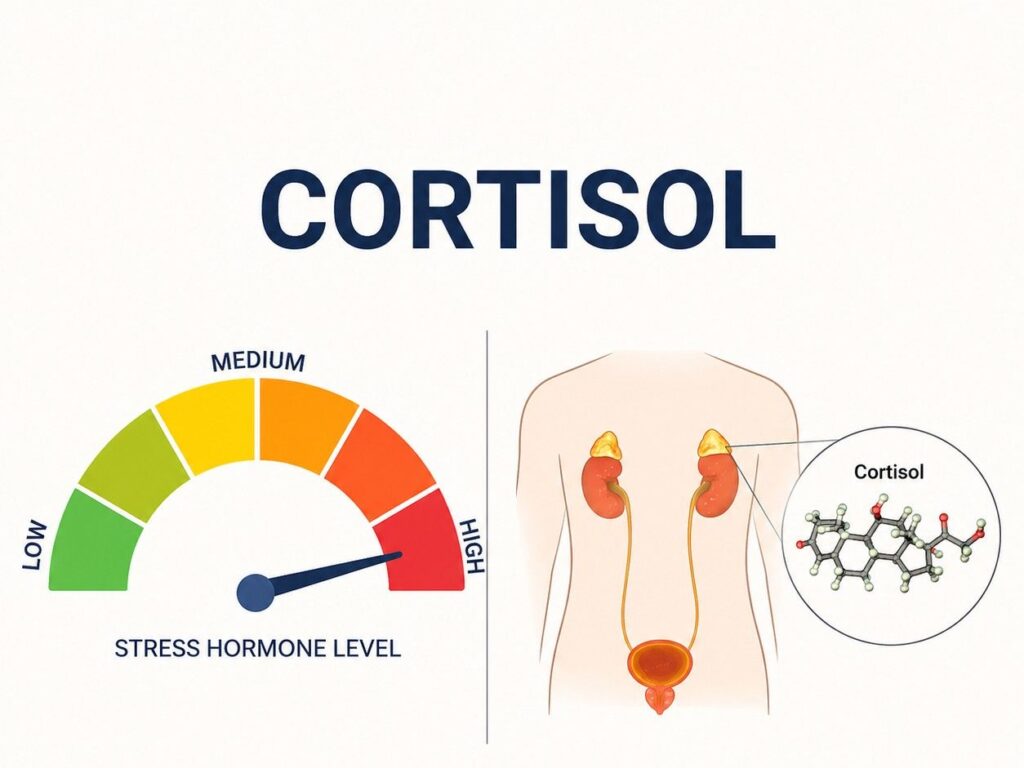
Cortisol is a steroid hormone produced by the adrenal glands, two small glands located on top of your kidneys. It belongs to a class of hormones called glucocorticoids and plays a vital role in maintaining overall health.
Because cortisol is released during stressful situations, it’s commonly known as the “stress hormone.” However, this nickname can be misleading. Cortisol is not harmful by itself; in fact, it is essential for life.
Your body naturally releases cortisol in a daily rhythm known as the circadian rhythm. Levels are typically highest in the early morning, helping you wake up and feel alert, and gradually decline throughout the day, reaching their lowest point late in the evening to support sleep.
Key Functions of Cortisol
Cortisol has many important jobs, including:
- Regulating blood sugar levels
- Maintaining healthy blood pressure
- Supporting the body’s response to stress
- Helping control inflammation
- Influencing how the body uses carbohydrates, fats, and proteins
- Supporting normal brain function
- Contributing to immune system regulation
- Helping maintain your sleep–wake cycle
Think of cortisol as your body’s emergency manager. In the right amount and at the right time, it keeps many essential systems running smoothly.
When Cortisol Becomes a Problem
Problems arise when cortisol remains elevated for long periods due to chronic stress or certain medical conditions. Persistently high cortisol can disrupt metabolism, weaken immune function, impair sleep, and increase the risk of various chronic diseases.
It’s important to note that everyday stress does not necessarily mean you have abnormally high cortisol levels. The body’s cortisol regulation is complex, and symptoms should be interpreted in the context of an individual’s overall health.
How the HPA (hypothalamic–pituitary–adrenal) Axis Works
To understand cortisol, it helps to know about the hypothalamic–pituitary–adrenal (HPA) axis, the body’s central stress-response system.
The HPA axis is a communication network between three parts of the body:
- Hypothalamus (Brain): Detects stress and releases corticotropin-releasing hormone (CRH).
- Pituitary Gland: Responds by releasing adrenocorticotropic hormone (ACTH).
- Adrenal Glands: Produce cortisol in response to ACTH.
Once enough cortisol has been released, it signals the brain to reduce CRH and ACTH production through a process called negative feedback. This feedback loop helps keep cortisol levels within a healthy range.
Under chronic stress, however, this system can become dysregulated. Some people may experience persistently elevated cortisol, while others may show altered daily cortisol patterns. The relationship between stress and cortisol is complex and varies from person to person.
Acute vs. Chronic Stress
Not all stress affects the body in the same way.
Acute Stress
Acute stress is short-term and resolves once the situation passes.
Examples include:
- Taking an exam
- Giving a presentation
- Slamming on the brakes to avoid an accident
- Competing in a sports event
Acute stress can sharpen focus, improve reaction time, and usually has no lasting negative effects once recovery occurs.
Chronic Stress
Chronic stress persists over weeks, months, or even years. It may result from ongoing life circumstances such as financial strain, relationship difficulties, caregiving, demanding work environments, or chronic illness.
Unlike acute stress, chronic stress gives the body little opportunity to recover. Over time, this can contribute to sleep disturbances, mood changes, metabolic issues, and an increased risk of chronic disease.
Recognizing and addressing chronic stress early is an important step toward protecting long-term physical and mental health.
Common Causes of High Cortisol
While cortisol naturally rises and falls throughout the day, certain lifestyle and medical factors can contribute to prolonged elevations or disruption of normal cortisol patterns.
Common contributors include:
- Chronic psychological stress
- Poor or insufficient sleep
- Shift work or irregular schedules
- Overtraining without adequate recovery
- Excessive caffeine intake, especially later in the day
- Heavy alcohol use
- Smoking
- Persistent pain
- Chronic illness
- Obesity
- Blood sugar fluctuations
- Financial difficulties
- Relationship conflict
- Social isolation
- Caregiver burnout
- Major life changes
- Unresolved trauma
- Certain medications, such as long-term corticosteroid therapy
- Endocrine disorders such as Cushing syndrome (less common)
In many cases, several of these factors interact, creating a cycle in which poor sleep, unhealthy eating, inactivity, and ongoing stress reinforce one another.
25 Signs and Symptoms of High Cortisol
Cortisol is essential for life, but when your body remains under chronic stress, prolonged cortisol dysregulation can contribute to a wide range of physical and mental symptoms. It’s important to remember that these symptoms are not specific to high cortisol and can have many other causes. If you experience persistent or severe symptoms, consult a qualified healthcare professional for an appropriate evaluation.
Here are some of the most common signs associated with chronic stress and altered cortisol regulation.
1. Persistent Fatigue
One of the earliest signs of chronic stress is feeling tired even after a full night’s sleep.
You may:
- Wake up exhausted
- Feel sluggish throughout the day
- Need excessive caffeine to function
- Experience low motivation
Although cortisol helps wake you up in the morning, long-term stress can disrupt your body’s natural cortisol rhythm, leaving you feeling drained instead of energized.
2. Difficulty Sleeping
Many people under chronic stress experience:
- Trouble falling asleep
- Frequent nighttime awakenings
- Waking too early
- Feeling unrefreshed
Stress can interfere with your body’s production of melatonin, the hormone that regulates sleep.
3. Weight Gain Around the Belly
One of the best-known effects of chronic stress is increased abdominal fat.
This happens because stress may:
- Increase appetite
- Trigger sugar cravings
- Promote overeating
- Reduce physical activity
- Influence where fat is stored
Visceral fat—the fat surrounding internal organs—is particularly associated with increased health risks.
4. Strong Sugar Cravings
When you’re stressed, your brain seeks quick energy.
This often leads to cravings for:
- Chocolate
- Ice cream
- Soda
- Candy
- Pastries
- Fast food
These foods temporarily activate the brain’s reward system but don’t solve the underlying cause of stress.
5. Increased Hunger
Many people notice they eat more during stressful periods.
Stress can alter appetite-regulating hormones, making it easier to consume more calories than your body needs.
6. Brain Fog
Chronic stress may affect cognitive function.
Common complaints include:
- Forgetfulness
- Poor concentration
- Difficulty making decisions
- Feeling mentally “slow”
7. Memory Problems
The hippocampus, a brain region involved in memory, is particularly sensitive to prolonged stress.
Long-term stress has been linked with poorer learning and memory performance.
8. Anxiety
Stress and anxiety are closely connected.
Symptoms may include:
- Constant worrying
- Feeling tense
- Restlessness
- Racing thoughts
- Feeling overwhelmed
9. Irritability
Small inconveniences suddenly feel enormous.
You may become:
- Easily frustrated
- Short-tempered
- Less patient
- Emotionally reactive
10. Mood Swings
Rapid emotional changes can occur when stress becomes chronic.
People may alternate between:
- Sadness
- Anger
- Anxiety
- Emotional numbness
11. Depression
Although depression has many causes, chronic stress increases the risk of developing depressive symptoms.
12. Frequent Headaches
Muscle tension and prolonged stress commonly contribute to:
- Tension headaches
- Neck pain
- Shoulder tightness
13. High Blood Pressure
Stress temporarily raises blood pressure.
Over time, chronic stress—combined with unhealthy coping habits—may contribute to hypertension.
14. Digestive Problems
The gut and brain communicate constantly through the gut-brain axis.
Stress may contribute to:
- Indigestion
- Acid reflux
- Bloating
- Constipation
- Diarrhea
- IBS flare-ups
15. Frequent Illness
Long-term stress may weaken aspects of immune function, making it harder for the body to fight infections effectively.
16. Acne Breakouts
Stress can worsen acne by increasing inflammation and affecting oil production.
17. Hair Loss
Chronic stress has been linked to several forms of hair loss, including telogen effluvium, in which more hairs than usual enter the shedding phase.
18. Slow Wound Healing
Cuts and scrapes may take longer to heal because prolonged stress can influence immune and inflammatory responses.
19. Muscle Weakness
Some people experience:
- Loss of strength
- Reduced exercise performance
- Difficulty recovering after workouts
20. Low Libido
Stress often reduces sexual desire in both men and women by affecting hormones and emotional well-being.
21. Irregular Menstrual Cycles
In women, chronic stress may contribute to:
- Missed periods
- Irregular cycles
- Worsened PMS symptoms
22. Reduced Motivation
Tasks that once felt manageable may suddenly seem overwhelming.
23. Difficulty Recovering From Exercise
Without adequate recovery, intense training combined with life stress can increase fatigue and reduce performance.
24. Constant Feeling of Being “On Edge”
Many people describe feeling like they can never truly relax, even during vacations or weekends.
25. Reduced Quality of Life
Over time, chronic stress can affect relationships, work performance, physical health, emotional resilience, and overall happiness.
How Chronic Stress Affects Every Organ in Your Body
Stress doesn’t just affect your mind—it can influence nearly every system in your body. While occasional stress responses are normal, prolonged activation of these pathways may contribute to long-term health problems.
Let’s look at how chronic stress can affect different organs and body systems.
1. Brain
The brain is both the control center and one of the primary targets of stress.
Possible Effects
- Anxiety
- Depression
- Brain fog
- Poor concentration
- Memory difficulties
- Emotional exhaustion
- Reduced motivation
- Increased risk of burnout
Chronic stress may affect the hippocampus (important for memory), the amygdala (involved in fear and emotional processing), and the prefrontal cortex (responsible for planning, decision-making, and self-control).
2. Heart and Blood Vessels
Stress increases heart rate and blood pressure as part of the body’s normal response to danger.
If this response becomes chronic, it may contribute to:
- High blood pressure
- Elevated resting heart rate
- Increased inflammation
- Greater cardiovascular strain
Stress alone does not directly cause heart disease, but it can contribute to behaviors and biological changes that increase cardiovascular risk.
3. Digestive System
Your digestive system is highly sensitive to emotional stress.
Common digestive symptoms include:
- Bloating
- Stomach discomfort
- Acid reflux
- Constipation
- Diarrhea
- Irritable bowel syndrome (IBS) flare-ups
- Changes in appetite
Stress can also alter gut motility and influence the gut microbiome, although many factors contribute to digestive health.
4. Immune System
Short-term stress may temporarily activate immune responses, but chronic stress can impair aspects of immune function.
Possible consequences include:
- Frequent colds
- Slower recovery from illness
- Delayed wound healing
- Greater susceptibility to infections
Stress may also contribute to chronic low-grade inflammation, which has been linked with various chronic diseases.
5. Metabolism
Stress influences how the body processes carbohydrates, fats, and proteins.
Long-term stress may contribute to:
- Increased appetite
- Higher calorie intake
- Blood sugar fluctuations
- Insulin resistance
- Increased abdominal fat
- Difficulty losing weight
These effects are often amplified by poor sleep and reduced physical activity.
6. Skin
Your skin often reflects what’s happening inside your body.
Stress may worsen:
- Acne
- Eczema
- Psoriasis
- Rosacea
- Skin itching
Stress-related inflammation and changes in skin barrier function are thought to play a role.
7. Hair
Many people notice increased hair shedding after periods of intense stress.
Stress has been associated with:
- Telogen effluvium
- Worsening of alopecia areata in susceptible individuals
- Slower hair growth
Hair usually begins to recover once the underlying stressor is addressed, although recovery may take several months.
8. Muscles and Joints
When you’re stressed, muscles naturally tense as part of the body’s protective response.
Chronic muscle tension can contribute to:
- Neck pain
- Shoulder tightness
- Jaw clenching
- Back pain
- Tension headaches
Over time, persistent muscle tension may reduce flexibility and increase discomfort.
9. Bones
Very high cortisol levels—especially in conditions such as Cushing syndrome or with long-term corticosteroid use—can reduce bone formation and increase the risk of osteoporosis. The impact of everyday stress on bone health is less direct but may still contribute through lifestyle factors such as poor nutrition or inactivity.
10. Reproductive System
Stress affects reproductive hormones in both men and women.
In Women
Stress may contribute to:
- Irregular menstrual cycles
- Worsened PMS symptoms
- Reduced fertility
- Lower libido
In Men
Stress may contribute to:
- Reduced testosterone levels
- Lower sperm quality
- Erectile dysfunction
- Reduced sexual desire
11. Stress and Belly Fat
Stress alone doesn’t automatically create belly fat. However, chronic stress can influence several factors that make abdominal weight gain more likely.
These include:
- Increased cravings for calorie-dense foods
- Emotional eating
- Poor sleep
- Reduced physical activity
- Changes in metabolism
- Greater storage of visceral fat in some individuals
Visceral fat—the fat surrounding internal organs—is metabolically active and is associated with a higher risk of heart disease, type 2 diabetes, and fatty liver disease.
12. Stress and Weight Gain
Stress affects body weight in different ways.
Some people gain weight because stress increases appetite and cravings, while others lose weight due to reduced appetite.
For those who gain weight, common contributing factors include:
- Emotional eating
- Frequent snacking
- Increased consumption of ultra-processed foods
- Less exercise
- Poor sleep
- Increased alcohol intake
Addressing stress often improves these habits, making weight management easier.
13. Stress and Sleep
Sleep and stress have a two-way relationship:
- Stress makes it harder to sleep.
- Poor sleep increases stress.
This creates a vicious cycle.
People under chronic stress often experience:
- Difficulty falling asleep
- Frequent awakenings
- Light, unrefreshing sleep
- Early morning waking
Improving sleep quality is one of the most effective ways to support a healthier stress response.
14. Stress and Hair Loss
Stress doesn’t usually cause permanent baldness, but it can trigger excessive shedding in susceptible individuals.
Common stress-related hair problems include:
- Increased daily hair fall
- Diffuse thinning
- Slower hair growth
- Delayed regrowth
If hair loss is persistent, severe, or accompanied by other symptoms, a healthcare professional can help identify other potential causes such as nutritional deficiencies, thyroid disorders, or genetic hair loss.
15.Stress and Gut Health
Your gut and brain communicate continuously through what’s known as the gut-brain axis.
Chronic stress may:
- Alter gut motility
- Increase digestive discomfort
- Change appetite
- Influence the composition of gut bacteria
- Worsen IBS symptoms in some people
Supporting gut health through a balanced diet, adequate fiber, fermented foods (if tolerated), regular exercise, and stress management can benefit overall well-being.
Science-Backed Ways to Reduce Stress Naturally and Support Healthy Cortisol Levels
The most effective stress-management strategies focus on improving the resilience of your nervous system rather than trying to avoid every stressful situation.
Research consistently shows that lifestyle habits—including quality sleep, regular physical activity, balanced nutrition, stress-management techniques, and strong social connections—can improve both physical and mental well-being.
Let’s explore the strategies that have the strongest scientific support.
Prioritize High-Quality Sleep
Sleep is one of the most powerful regulators of your stress response. During deep sleep, your brain and body repair themselves, helping maintain a healthy daily cortisol rhythm.
When you don’t get enough sleep, cortisol patterns can become disrupted. Poor sleep also increases hunger, cravings, irritability, and difficulty concentrating, creating a cycle in which stress and sleep problems reinforce one another.
Tips for Better Sleep
- Aim for 7–9 hours of sleep each night.
- Go to bed and wake up at the same time every day, even on weekends.
- Keep your bedroom cool, dark, and quiet.
- Avoid screens for at least 30–60 minutes before bedtime.
- Limit caffeine after lunch or early afternoon if it affects your sleep.
- Avoid heavy meals and excessive alcohol close to bedtime.
- Develop a relaxing evening routine, such as reading, stretching, or taking a warm shower.
Exercise Regularly—But Don’t Overdo It
Exercise is one of the best natural stress relievers.
Physical activity helps:
- Improve mood
- Support better sleep
- Increase energy
- Reduce anxiety
- Improve cardiovascular health
- Build resilience to everyday stress
However, more isn’t always better.
Excessive training without adequate recovery can place additional stress on the body. The goal is consistency rather than intensity.
Best Exercises for Stress Relief
- Brisk walking
- Cycling
- Swimming
- Resistance training
- Yoga
- Tai Chi
- Hiking
Aim for at least 150 minutes of moderate-intensity exercise each week, along with strength training on two or more days.
Practice Mindfulness and Meditation
Mindfulness involves paying attention to the present moment without judgment.
You don’t need to meditate for hours.
Even 10–20 minutes daily can make a meaningful difference over time.
Simple options include:
- Guided meditation
- Mindful breathing
- Body scan meditation
- Walking meditation
- Gratitude journaling
Use Deep Breathing to Calm Your Nervous System
When you’re stressed, breathing often becomes shallow and rapid.
Slow, controlled breathing helps activate the parasympathetic nervous system—the body’s “rest and digest” mode—which can reduce feelings of tension.
Try the 4-6 Breathing Technique
- Inhale through your nose for 4 seconds.
- Exhale slowly through your mouth for 6 seconds.
- Repeat for 5–10 minutes.
Other evidence-based breathing techniques include diaphragmatic breathing and box breathing (4-4-4-4).
Spend Time in Nature
Green spaces offer more than a change of scenery.
Spending time outdoors has been associated with:
- Lower perceived stress
- Improved mood
- Better sleep
- Increased physical activity
- Reduced mental fatigue
Even a 20–30 minute walk in a park can help many people feel calmer and more refreshed.
Build Strong Social Connections
Positive relationships can help buffer the effects of stress by providing emotional support, encouragement, and a sense of belonging.
Make time to:
- Talk with trusted friends
- Spend time with family
- Join community groups
- Volunteer
- Share meals with loved ones
You don’t need a large social circle—just a few meaningful relationships can make a significant difference.
Manage Your Daily Stressors
While you can’t control everything, you can often reduce unnecessary stress by improving your daily habits.
Helpful strategies include:
- Planning your day
- Prioritizing important tasks
- Taking regular breaks
- Setting realistic expectations
- Learning to say “no” when necessary
- Limiting excessive news and social media
- Scheduling time for hobbies and relaxation
Small changes, practiced consistently, often have the greatest long-term impact.
Eat a Balanced Diet
A balanced eating pattern can help stabilize energy levels, support brain function, and reduce blood sugar fluctuations that may worsen feelings of stress.
Focus on:
- Lean proteins
- Whole grains
- Fruits
- Vegetables
- Legumes
- Nuts
- Seeds
- Healthy fats
Try to limit:
- Ultra-processed foods
- Excess added sugar
- Excess alcohol
- Highly refined carbohydrates
Evidence-Based Supplements That May Help Manage Stress
Important: Supplements should complement—not replace—a healthy lifestyle. If you’re pregnant, breastfeeding, have a medical condition, or take prescription medications, consult your healthcare provider before starting any supplement.
Ashwagandha
Among herbal supplements, ashwagandha (Withania somnifera) has some of the strongest clinical evidence for supporting stress management.
As an adaptogenic herb, it appears to help the body adapt to physical and psychological stress.
Potential Benefits
Clinical studies suggest standardized extracts may help:
- Reduce perceived stress
- Support healthy cortisol levels in stressed individuals
- Improve sleep quality
- Reduce feelings of anxiety
- Improve overall well-being
One of the most researched standardized extracts is KSM-66® Ashwagandha.
Typical Supplemental Range
Many clinical trials have used 300–600 mg of standardized extract per day, although individual needs may vary.
Safety Considerations
Do not take ashwagandha without medical advice if you:
- Are pregnant
- Are breastfeeding
- Have hyperthyroidism or certain thyroid disorders
- Have autoimmune conditions requiring immunosuppressive therapy (unless approved by your physician)
- Take medications that may interact with it
Magnesium (Glycinate or L-Threonate)
Magnesium is involved in more than 300 enzymatic reactions throughout the body, including nerve function, muscle relaxation, energy production, and blood sugar regulation.
Chronic stress may increase magnesium losses in some individuals, and inadequate magnesium intake is common in many populations.
Potential Benefits
Magnesium may help:
- Support normal nervous system function
- Promote muscle relaxation
- Improve sleep quality in some people
- Reduce muscle tension
- Support a healthy stress response
Among supplemental forms:
- Magnesium Glycinate is well absorbed and is often chosen for relaxation because it is less likely to cause digestive upset.
- Magnesium L-Threonate has been studied for its ability to raise magnesium levels in the brain, although more research is needed regarding cognitive benefits.
L-Theanine
L-theanine is a naturally occurring amino acid found primarily in green tea.
Unlike sedatives, it promotes a state of relaxed alertness, helping many people feel calmer without causing significant drowsiness.
Potential Benefits
Research suggests L-theanine may:
- Promote relaxation
- Reduce feelings of acute stress
- Improve focus during mentally demanding tasks
- Support better sleep quality in some individuals
It may be particularly helpful during periods of temporary stress or before high-pressure situations.
Vitamin B-Complex (Especially Vitamin B6)
B vitamins play an essential role in energy metabolism and the production of neurotransmitters involved in mood regulation, including serotonin and GABA.
Low intake of certain B vitamins may contribute to fatigue and reduced mental well-being.
Potential Benefits
A balanced B-complex supplement may help:
- Support normal nervous system function
- Reduce fatigue related to nutrient deficiency
- Support healthy energy metabolism
- Promote psychological well-being
Some studies suggest that combining magnesium with vitamin B6 may provide greater improvements in stress-related symptoms than magnesium alone in certain populations, though more research is needed.
Omega-3 Fatty Acids (Fish Oil)
Omega-3 fatty acids—particularly EPA (eicosapentaenoic acid) and DHA (docosahexaenoic acid)—are essential fats that support brain, eye, and heart health.
Potential Benefits
Adequate omega-3 intake may:
- Support healthy brain function
- Help regulate inflammatory processes
- Improve mental resilience
- Support cardiovascular health
If you don’t eat fatty fish regularly, a high-quality fish oil supplement may be worth discussing with your healthcare provider.
Your Daily Lifestyle Plan for a Healthier Stress Response
You don’t need to overhaul your life overnight. Small, consistent habits often have the greatest impact.
Morning
- Wake up at the same time each day.
- Get 10–20 minutes of natural sunlight.
- Eat a balanced breakfast with protein and fiber.
- Avoid checking social media immediately after waking if it increases stress.
Midday
- Take short movement breaks.
- Stay hydrated.
- Eat a balanced lunch.
- Spend a few minutes outdoors if possible.
Evening
- Eat dinner a few hours before bedtime.
- Reduce screen exposure in the hour before sleep.
- Practice deep breathing, meditation, or gentle stretching.
- Keep your bedroom cool, dark, and quiet.
- Aim for a consistent bedtime.
Throughout the Day
- Stay physically active.
- Limit excessive caffeine and alcohol.
- Connect with supportive people.
- Make time for hobbies and laughter.
- Remember that recovery is just as important as productivity.
Key Takeaway: There is no single food, supplement, or technique that instantly “fixes” stress. The most effective approach is combining healthy sleep, regular movement, nourishing food, stress-management practices, meaningful relationships, and—when appropriate—well-chosen supplements. These habits work together to support a healthier stress response and improve long-term well-being.
When to See a Doctor
Occasional stress is a normal part of life. However, persistent or severe symptoms should not be ignored.
Consider seeking medical advice if you experience:
- Ongoing fatigue that doesn’t improve with rest
- Persistent insomnia
- Unexplained weight gain or weight loss
- High blood pressure that remains elevated
- Frequent infections
- Significant hair loss
- Severe anxiety or depression
- Panic attacks
- Digestive symptoms lasting several weeks
- Memory problems that interfere with daily life
- Menstrual irregularities that persist
- Reduced sexual function with no clear cause
- Symptoms that continue despite healthy lifestyle changes
Seek Urgent Medical Care If You Experience
- Chest pain
- Shortness of breath
- Fainting
- Suicidal thoughts or thoughts of self-harm
- Sudden confusion
- Severe weakness
- Signs of stroke
These symptoms require prompt medical evaluation.
Conclusion
Stress is an unavoidable part of life, but chronic stress doesn’t have to define your health. Understanding how your body responds to stress—and the role cortisol plays—can empower you to make meaningful, lasting changes.
The most effective approach isn’t searching for a miracle cure or a quick detox. It’s building daily habits that support your mind and body over the long term: getting enough quality sleep, eating a balanced diet, staying physically active, practicing mindfulness, nurturing healthy relationships, and making time for rest and recovery.
For some people, evidence-based supplements such as Ashwagandha, magnesium, L-theanine, B vitamins, or omega-3 fatty acids may provide additional support. However, they should complement—not replace—a healthy lifestyle and professional medical care when needed.
Remember, progress doesn’t happen overnight. Small, consistent changes often lead to the greatest improvements in resilience, energy, sleep, and overall well-being.
If stress has become overwhelming or your symptoms persist despite healthy lifestyle changes, don’t hesitate to seek help from a healthcare professional. Managing stress is not a sign of weakness—it’s an important investment in your long-term health.
References (Suggested High-Authority Sources)
To strengthen your article’s credibility, reference authoritative organizations and peer-reviewed literature where appropriate:
- World Health Organization (WHO) – Mental Health and Stress Resources
- National Institute of Mental Health (NIMH)
- American Psychological Association (APA)
- National Institutes of Health (NIH)
- Endocrine Society Clinical Practice Guidelines
- Harvard T.H. Chan School of Public Health
- Cleveland Clinic – Cortisol and Stress
- Mayo Clinic – Stress Management
- Frontiers in Psychiatry (peer-reviewed research)
- Nutrients (peer-reviewed nutrition journal)
- Psychoneuroendocrinology (peer-reviewed journal)
- Journal of Clinical Endocrinology & Metabolism