
Sleep Hygiene Checklist: 15 Habits for Deep, Restful Sleep
By WellnessVigor · Updated October 15, 2026 · 7 min read
This article contains affiliate links. If you buy through them, we may earn a small commission at no extra cost to you. Learn more.
Sleep hygiene means the daily habits and bedroom conditions that support good sleep. None of these steps is magic on its own, but together they make good sleep far more likely.
Use this 15-point checklist to see where you’re doing well and what to work on next.
Quick answer
Key sleep hygiene habits: consistent sleep and wake times, morning daylight, regular exercise, caffeine cut-off by early afternoon, limited alcohol, an earlier dinner, a cool, dark and quiet bedroom, a comfortable mattress and pillow, a screen-free last hour, a relaxing wind-down routine, using the bed only for sleep, short naps only, and getting up if you can’t sleep. A review found good sleep hygiene is linked to better sleep, but for chronic insomnia it works best as part of CBT-I rather than alone.
Table of Contents
ToggleDaytime habits
- ☐ Wake at the same time every day, weekends included.
- ☐ Get daylight within an hour of waking, ideally outdoors.
- ☐ Exercise regularly, finishing intense workouts a few hours before bed.
- ☐ Stop caffeine by early afternoon. See does afternoon coffee affect sleep?
- ☐ Keep naps short (10–20 minutes) and before mid-afternoon.
Evening habits
- ☐ Finish dinner 2–3 hours before bed.
- ☐ Limit alcohol, especially in the evening.
- ☐ Dim the lights 1–2 hours before bed.
- ☐ Put screens away for the last hour.
- ☐ Follow a relaxing wind-down routine. See the best evening routine.
Bedroom setup
- ☐ Cool (around 60–67°F / 16–19°C for many people).
- ☐ Dark: blackout curtains or a mask.
- ☐ Quiet: earplugs or white noise.
- ☐ Comfortable mattress and pillow. See our mattress and pillow guides.
More detail: how to create the perfect sleep environment.
Want a simple, step-by-step plan to sleep better? The 14-Day Sleep Reset guide walks you through fixing your schedule, evening routine and bedroom, one day at a time.
Ashwagandha gummies with L-theanine
A sugar-free gummy that combines ashwagandha with L-theanine, two ingredients people often use to relax in the evening.
Good to know: Not suitable in pregnancy or with thyroid or autoimmune conditions.

In bed
- ☐ Use the bed only for sleep and intimacy, and get up if you’re awake for more than about 20 minutes.
How well does sleep hygiene work?
A review in Sleep Medicine Reviews found that individual sleep hygiene behaviors such as regular schedules, limiting caffeine and alcohol and managing the bedroom environment are generally linked to better sleep. However, the American Academy of Sleep Medicine advises against using sleep hygiene alone to treat chronic insomnia; it works best combined with other parts of CBT-I, such as stimulus control and sleep restriction.
Products that support good sleep hygiene
These are common, inexpensive options that some people find helpful. We have not personally tested these products. Links go to Amazon search results so you can compare current options and prices.
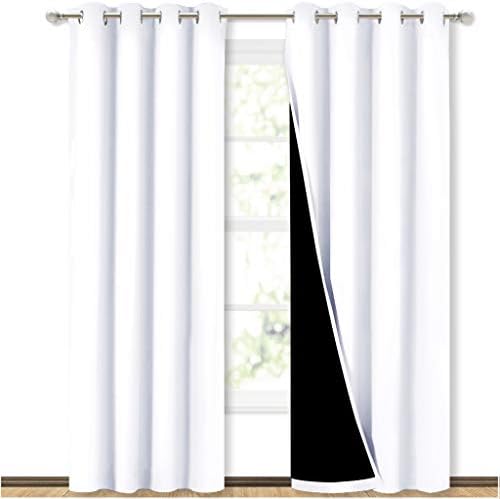
BEST FOR DARKNESS
Blackout Curtains
Block streetlights and early sunrise. See our blackout curtain guide.
Pros
- Blocks light
- Helps with heat
- Long-lasting
Cons
- Sizing
- Light can leak at edges
BEST FOR QUIET
White Noise Machine
Masks noise that interrupts sleep.
Pros
- Masks noise
- Many sounds
- No phone
Cons
- Some prefer silence
- Cheap models loop

BEST FOR A REGULAR WAKE TIME
Sunrise Alarm Clock
Gentle light makes a fixed wake time easier.
Pros
- Gentle wake-up
- Sunset mode
- Phone-free
Cons
- Weaker than daylight
- Quality varies

BEST FOR A COOL ROOM
Quiet Bedroom Fan
Keeps air moving and the room cool, with a gentle background sound.
Pros
- Cooling
- White noise effect
- Affordable
Cons
- Can dry eyes
- Noise level varies

Keep reading
Frequently asked questions
What is good sleep hygiene?
Daily habits and bedroom conditions that support good sleep, such as a regular schedule, limited caffeine and a cool, dark bedroom.
Can sleep hygiene cure insomnia?
Usually not on its own. For chronic insomnia, CBT-I is recommended.
What is the most important sleep hygiene habit?
A consistent wake time is one of the most powerful, because it anchors your body clock.
Is it bad to use my phone in bed?
Screens in bed can delay sleep and keep your brain alert. Try to keep the last hour screen-free.
How long until sleep hygiene changes help?
Many people notice improvements within 1–2 weeks of consistent habits.
Sources
- Irish LA, et al. The role of sleep hygiene in promoting public health: a review of empirical evidence. Sleep Med Rev. 2015.
- Edinger JD, et al. Behavioral and psychological treatments for chronic insomnia disorder in adults: an AASM clinical practice guideline. J Clin Sleep Med. 2021.
- Okamoto-Mizuno K, Mizuno K. Effects of thermal environment on sleep and circadian rhythm. J Physiol Anthropol. 2012.
This article is for general information only and is not medical advice. See our Medical Disclaimer.