
Best Evening Routine for Better Sleep: 10 Habits to Try Tonight
By WellnessVigor · Updated October 15, 2026 · 7 min read
This article contains affiliate links. If you buy through them, we may earn a small commission at no extra cost to you. Learn more.
What you do in the 2–3 hours before bed has a big effect on how quickly you fall asleep and how well you sleep. A consistent evening routine signals to your brain and body that it’s time to wind down.
Here are ten simple habits to build into your evening, with a sample timeline you can adapt.
Quick answer
A good evening routine includes finishing dinner 2–3 hours before bed, avoiding caffeine after early afternoon and limiting alcohol, dimming lights, taking a warm shower 1–2 hours before bed, writing tomorrow’s to-do list, preparing for the morning, putting screens away for the last hour, doing something relaxing like reading or stretching, keeping the bedroom cool and dark, and going to bed at a consistent time.
Table of Contents
ToggleSample evening routine (for a 10:30 pm bedtime)
- 7:00 pm: dinner finished
- 8:30 pm: dim the lights, prepare tomorrow’s clothes and bag
- 9:00 pm: warm shower or bath
- 9:15 pm: write tomorrow’s to-do list
- 9:30 pm: screens off; read, stretch or chat
- 10:15 pm: bedroom cool and dark, into bed
- 10:30 pm: lights out
1. Eat dinner earlier
Finishing dinner 2–3 hours before bed reduces reflux and discomfort. See the best time to eat dinner.
2. Respect your caffeine cut-off
A 2023 meta-analysis found caffeine reduced total sleep by about 45 minutes on average and suggested avoiding coffee for at least 8–9 hours before bed.
Want a simple, step-by-step plan to sleep better? The 14-Day Sleep Reset guide walks you through fixing your schedule, evening routine and bedroom, one day at a time.
Melatonin gummies for nights your body clock is off
Useful after jet lag, a late night or a shift change. A tasty gummy taken 30 to 60 minutes before bed can help nudge your body clock back on track.
Good to know: Start with the lowest dose that works; many people do well on 1 to 3 mg. Not for long-term nightly use without medical advice.

3. Go easy on alcohol
Alcohol disrupts the second half of the night and reduces REM sleep.
4. Dim the lights
Switch to lamps and warm light 1–2 hours before bed. Bright light in the evening delays your body clock.
5. Take a warm shower or bath
A meta-analysis found bathing in warm water 1–2 hours before bed helped people fall asleep faster.
6. Write a to-do list
Writing a specific to-do list for 5 minutes helped people fall asleep faster in a sleep lab study.
7. Prepare for the morning
Lay out clothes, pack bags and plan breakfast so your brain has fewer open loops.
8. Put screens away
Light-emitting screens delayed sleep and melatonin in research. See how to reduce screen time before bed.
9. Do something relaxing
Read a paper book, stretch (see bedtime stretches), meditate or listen to calm music.
10. Go to bed at a consistent time
Regular sleep timing is strongly linked to better health. See the best time to go to bed.
Products for a relaxing evening
These are common, inexpensive options that some people find helpful. We have not personally tested these products. Links go to Amazon search results so you can compare current options and prices.
BEST FOR DIM EVENING LIGHT
Warm Dimmable Lamp
Swap bright overheads for warm, low light in the evening.
Pros
- Warm light
- Adjustable
- Cheap
Cons
- Choose warm color temperature
- Another device to manage

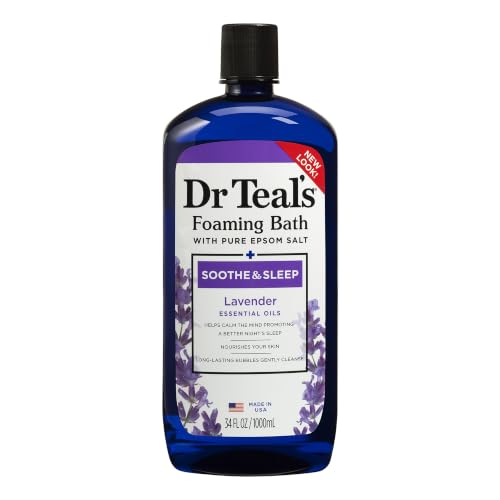
BEST FOR A CALM BATH
Epsom Salt
Many people enjoy adding Epsom salt to a warm bath as part of their wind-down. The warm water is what research supports.
Pros
- Relaxing ritual
- Inexpensive
- Easy
Cons
- Benefits beyond warm water are unproven
- Not for everyone’s skin
BEST FOR SCREEN-FREE TIME
Timed Phone Lock Box
Locks your phone away for the last hour so the routine sticks.
Pros
- Removes temptation
- Simple
- Reusable
Cons
- Plan for emergencies
- Strict at first

BEST EVENING DRINK
Chamomile Tea
A warm, caffeine-free drink is a pleasant cue that the day is ending.
Pros
- Caffeine-free
- Calming ritual
- Cheap
Cons
- Limited evidence for sleep effects
- Drink earlier to avoid bathroom trips

Keep reading
Frequently asked questions
How long should an evening routine be?
About 30–60 minutes of active winding down works for most people, within a longer period of dimmer, calmer evenings.
What should I avoid before bed?
Heavy meals, alcohol, caffeine, bright screens, intense exercise and stressful conversations or work.
Is it OK to exercise in the evening?
Moderate exercise is fine for most people. See is it bad to work out at night?
Should I go to bed at the same time on weekends?
Try to stay within about an hour of your weekday schedule.
What if my routine doesn’t help?
If you still struggle to sleep most nights for months, talk to a doctor about CBT-I.
Sources
- Haghayegh S, et al. Before-bedtime passive body heating by warm shower or bath to improve sleep. Sleep Med Rev. 2019.
- Scullin MK, et al. The effects of bedtime writing on difficulty falling asleep. J Exp Psychol Gen. 2018.
- Gardiner C, et al. The effect of caffeine on subsequent sleep: a systematic review and meta-analysis. Sleep Med Rev. 2023.
- Chang AM, et al. Evening use of light-emitting eReaders negatively affects sleep. PNAS. 2015.
- Ebrahim IO, et al. Alcohol and sleep I: effects on normal sleep. Alcohol Clin Exp Res. 2013.
This article is for general information only and is not medical advice. See our Medical Disclaimer.