
Omega-3 fatty acids are essential polyunsaturated fats that your body cannot produce on its own. They serve as fundamental building blocks for cell membranes throughout your entire body—especially in your heart, brain, and eyes. Because the modern diet often over-indexes on Omega-6 fats (found in processed oils) and lacks sufficient oily fish, quality Omega-3 supplementation is a critical daily habit for long-term health.
What Does Omega-3 Do?
Omega-3s primarily consist of three types: EPA (eicosapentaenoic acid), DHA (docosahexaenoic acid), and ALA (alpha-linolenic acid). While ALA comes from plant sources, EPA and DHA from marine sources deliver the primary health benefits:
- Heart & Cardiovascular Support: Helps maintain healthy triglyceride levels, supports clean arterial function, and promotes balanced blood pressure.
- Brain & Cognitive Function: DHA makes up a massive structural component of brain tissue, supporting memory, focus, and overall cognitive longevity.
- Joint Comfort & Inflammation Response: EPA helps regulate the body’s natural inflammatory response, reducing joint stiffness and soreness.
- Eye & Vision Health: DHA is a major structural element of the retina, helping maintain visual acuity and moisture.
Common Signs of Omega-3 Deficiency
When your ratio of Omega-6 to Omega-3 fats becomes imbalanced, your body provides subtle signs:
- Dry, Irritated Skin: Flaky skin, premature aging, or rough patches.
- Joint Stiffness & Discomfort: Morning joint soreness or lingering exercise inflammation.
- Dry, Tired Eyes: Lack of adequate tear film moisture, especially after screen work.
- Brain Fog & Mood Shifts: Sluggish recall, lack of sharp focus, or feeling down.
- Brittle Hair & Nails: Dull, weak hair and thin nails that split easily.
Top 5 Omega-3 Supplements on Amazon
Here are five top-rated Omega-3 options selected for purity, high EPA/DHA concentration, third-party testing, and absence of fishy aftertaste:
1. Nordic Naturals Ultimate Omega

- Why it stands out: Features concentrated Omega-3s in the highly absorbable triglyceride form. Non-GMO verified and third-party tested for heavy metals with a clean lemon taste.
- Best for: Overall gold-standard purity, high concentration, and no fish burps.
- Form: Softgels.

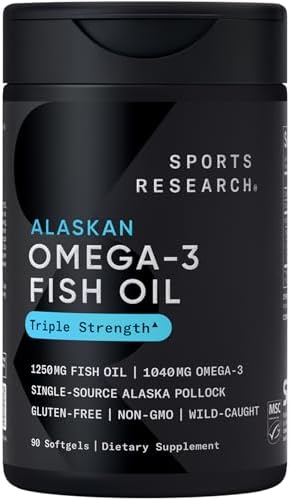
2. Sports Research Triple Strength Omega-3 Fish Oil
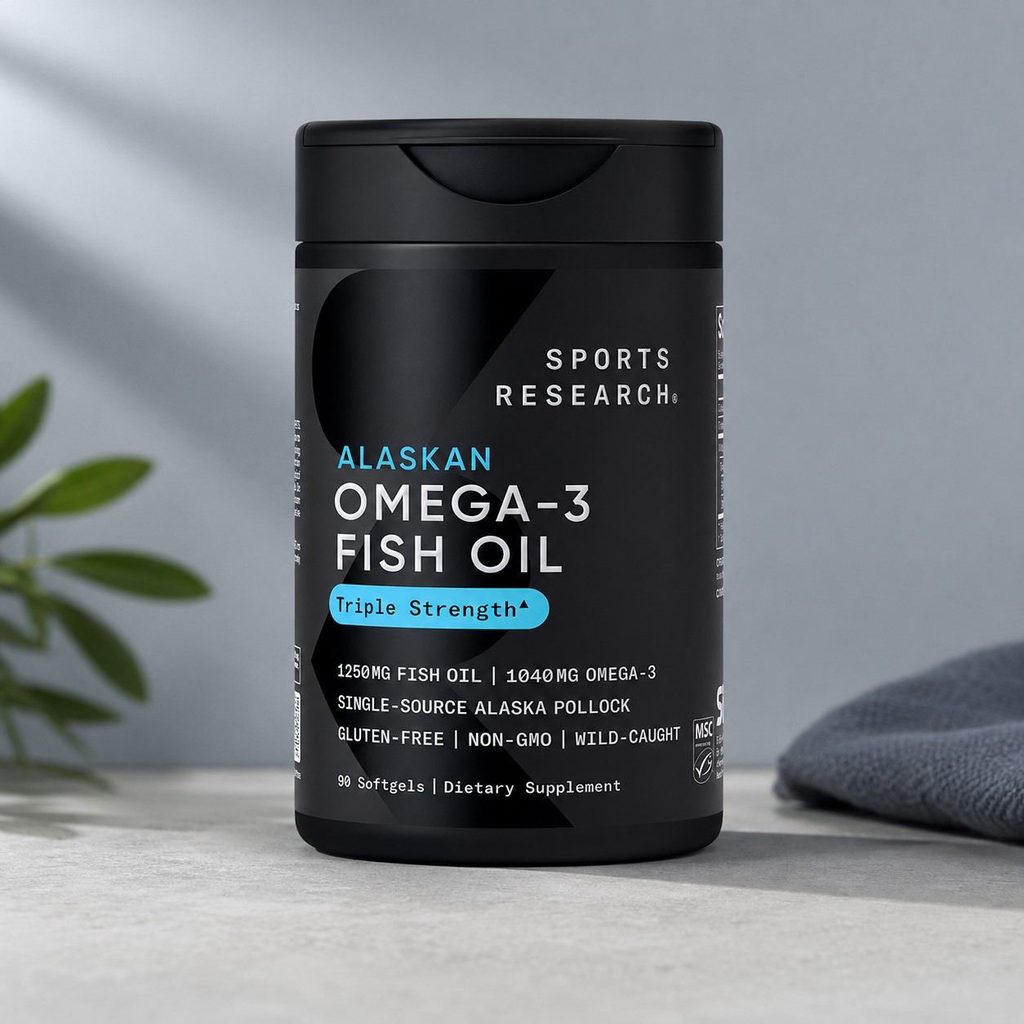
- Why it stands out: Delivers an impressive 1,035 mg of total Omega-3s (including 685 mg EPA and 310 mg DHA) in just one softgel per serving. IFOS 5-Star certified for purity.
- Best for: High-potency dosing in a single daily capsule and maximum value.
- Form: Softgels.
3. Viva Naturals Triple Strength Omega-3 Fish Oil
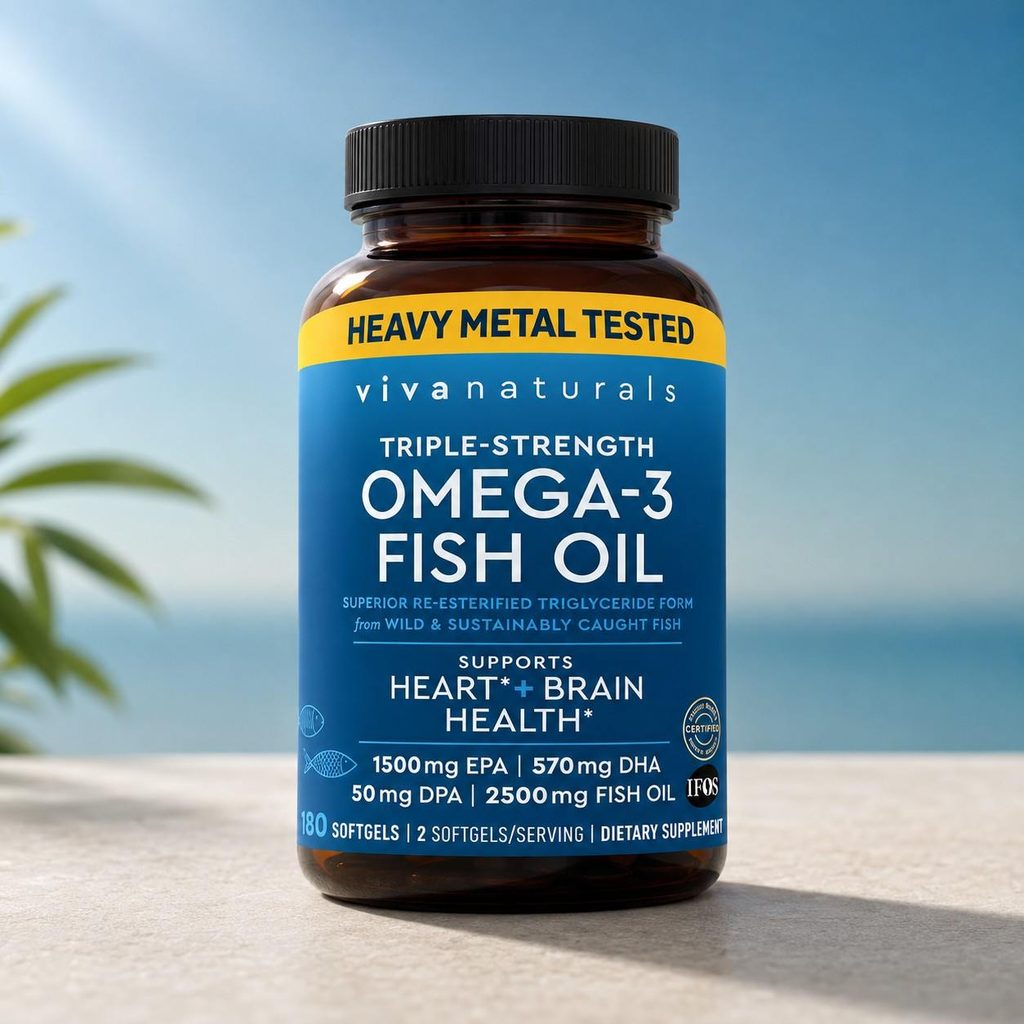
- Why it stands out: Sourced from wild-caught ocean fish using extraction methods that preserve high EPA/DHA potency while stripping contaminants.
- Best for: Cardiovascular support and joint health enthusiasts.
- Form: Softgels.

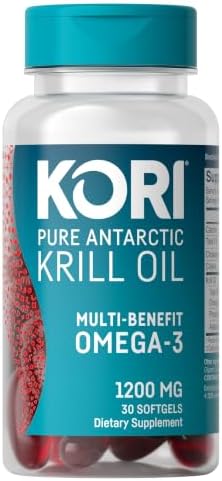
4. Kori Krill Oil Superior Omega-3
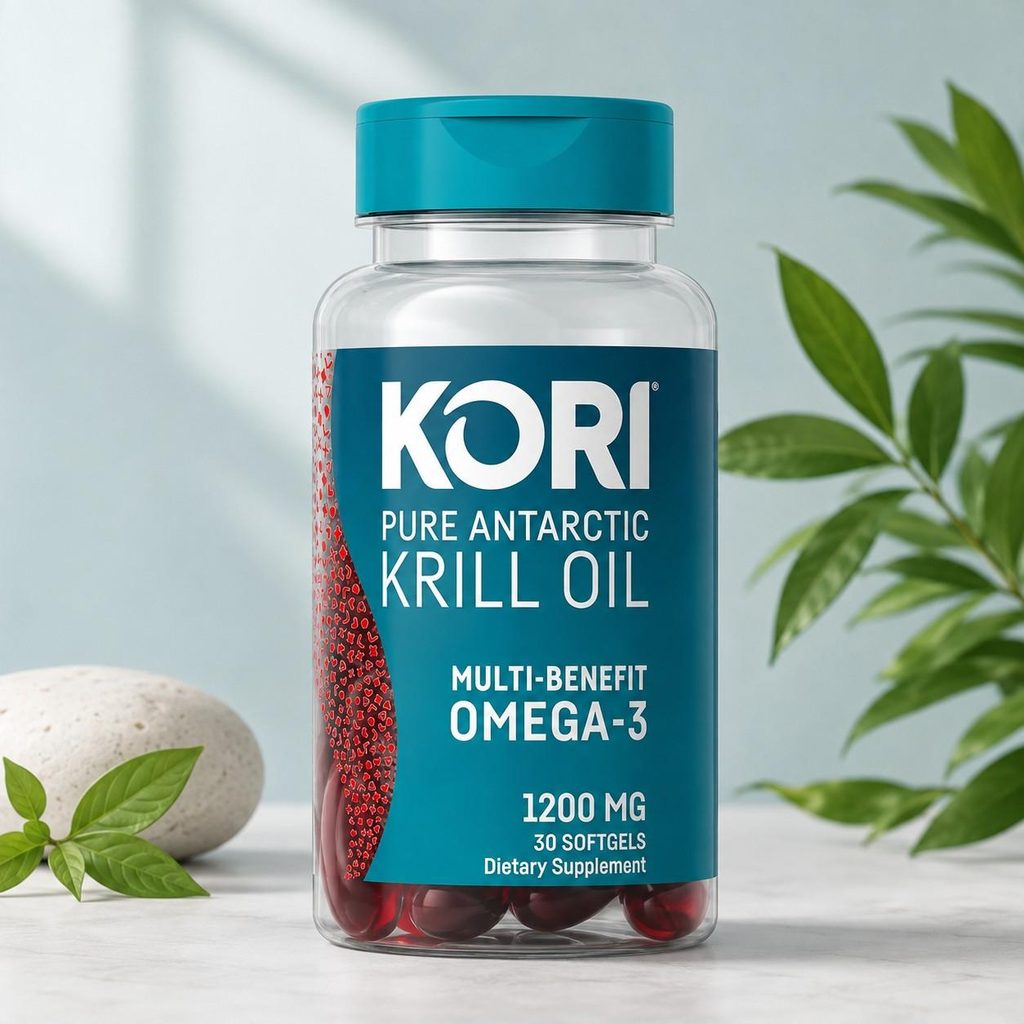
- Why it stands out: Sourced from Antarctic krill, delivering Omega-3s bound to phospholipids for enhanced absorption, plus naturally occurring choline and astaxanthin (a powerful antioxidant).
- Best for: Easy digestion, superior cellular absorption, and zero fishy aftertaste.
- Form: Small Softgels.
5. Vegan Omega-3 (Algae Oil)
- Why it stands out: Derived directly from ocean algae rather than fish, providing sustainable EPA and DHA without marine toxins, microplastics, or ocean ecosystem impact.
- Best for: Vegans, vegetarians, and environmentally conscious shoppers.
- Form: Plant-based Softgels.

Recommended Dosage & Usage Tips
- Focus on EPA + DHA (Not Total Fish Oil): Check the supplement facts label for the combined total of EPA and DHA, rather than total fish oil volume (e.g., a 1,200 mg fish oil pill might only contain 300 mg of active EPA/DHA).
- Take with a Fat-Containing Meal: Omega-3s are fat-soluble nutrients. Taking them alongside healthy fats (like avocado, eggs, or olive oil) significantly improves intestinal absorption.
- Prevent “Fish Burps”: Choose triglyceride-form oils, keep your bottle stored in a cool place (or the refrigerator), and take softgels midway through a solid meal.
How Much Omega-3 Do You Need?
There is an official intake only for ALA, the plant omega-3: 1.6 g a day for men and 1.1 g for women. There is no official target for EPA and DHA, but many health groups suggest healthy adults aim for roughly 250 to 500 mg combined per day. The easiest way to get that is to eat oily fish twice a week, as the American Heart Association recommends.
The US FDA considers up to 5 g a day of EPA and DHA combined from supplements to be safe. Higher doses are sometimes prescribed for high triglycerides, but only under medical supervision.
Best Food Sources of Omega-3
- Salmon, 3 oz cooked: roughly 1.2 g DHA and 0.6 g EPA (farmed Atlantic)
- Herring, sardines, mackerel, anchovies and trout: all rich in EPA and DHA
- Chia seeds, 1 oz: about 5 g ALA
- Walnuts, 1 oz: about 2.6 g ALA
- Flaxseed oil, 1 tbsp: about 7 g ALA
Your body converts only a small amount of ALA into EPA and DHA, so plant sources are not a full substitute for fish or algae oil.
Fish Oil vs Krill Oil vs Algae Oil
- Fish oil: the most studied and usually the best value per mg of EPA and DHA.
- Krill oil: contains omega-3s in phospholipid form; capsules are small but usually contain less EPA and DHA per dose and cost more.
- Algae oil: the plant-based choice for vegetarians and vegans; mostly DHA, with some EPA in newer products.
Quality Checks Before You Buy
Look for third-party testing such as IFOS, USP or NSF seals. Testing of fish oil products in Australia and New Zealand found they met their label omega-3 claims and were not oxidized, but quality can vary by brand and market. A strong rancid or very fishy smell when you open a capsule is a sign the oil has gone off.
Frequently Asked Questions
Should I take omega-3 in the morning or at night?
Timing matters less than taking it with a meal that contains fat, which improves absorption and reduces fishy burps.
Can I take fish oil with blood thinners?
Talk to your doctor first. High doses may increase bleeding risk when combined with anticoagulant medicines.
How long does omega-3 take to work?
Blood levels rise within weeks, but changes in triglycerides or other markers usually take two to three months.
Sources
- NIH Office of Dietary Supplements: Omega-3 fatty acids fact sheet
- Nichols PD, et al. Australian and New Zealand fish oil products in 2016 meet label omega-3 claims and are not oxidized. Nutrients. 2016.
Disclaimer: This content is for informational purposes only and does not constitute medical advice. Omega-3 fatty acids have mild blood-thinning properties. Always consult a qualified healthcare professional before taking high doses, especially if you take blood thinners or have an upcoming surgical procedure.