
How to Count Macros for Weight Loss: A Beginner’s Step-by-Step Guide
By WellnessVigor · Updated October 15, 2026 · 8 min read
This article contains affiliate links. If you buy through them, we may earn a small commission at no extra cost to you. Learn more.
Counting macros means tracking the grams of protein, carbohydrates and fat you eat, not just total calories. Done right, it helps you lose fat while keeping muscle, and stay full on fewer calories.
It sounds complicated, but it comes down to five steps. Here is the beginner version.
Quick answer
1) Find your TDEE and subtract 300–500 calories. 2) Set protein at about 1.6 g per kg of body weight (0.7 g per lb). 3) Set fat at 25–35% of calories. 4) Fill the rest with carbs. 5) Track for 2–3 weeks and adjust. Get your numbers instantly with our {{/macro-calculator/|Macro Calculator}}.
Table of Contents
ToggleStep 1: find your calorie target
Start with your total daily energy expenditure (TDEE), then subtract 300–500 calories for steady fat loss. Use the TDEE Calculator, or read BMR vs TDEE to understand the numbers.
Step 2: set protein first
Protein keeps you full and protects muscle while you lose fat. A large meta-analysis of resistance training studies found benefits for muscle levelled off at around 1.6 g of protein per kg of body weight per day. For weight loss, 1.6–2.2 g/kg is a common target.
Example: 80 kg × 1.6 = 128 g protein = 512 calories (protein has 4 calories per gram). More detail: how much protein you need to lose weight.
Step 3: set fat
Fat supports hormones and helps you absorb vitamins A, D, E and K. Aim for 25–35% of calories. With a 1,900-calorie target, 30% is 570 calories, or 63 g of fat (fat has 9 calories per gram).
Want a done-for-you plan? 35 Days to a Leaner You combines a 35-day low-carb meal plan with simple home workouts, so you know exactly what to eat and how to move each day.
Burn calories at home, rain or shine
A magnetic exercise bike is quiet enough for early mornings and small apartments. One purchase, years of workouts for the whole household.

Step 4: fill the rest with carbs
Carbs fuel exercise and your brain. Subtract protein and fat calories from your total, then divide by 4:
1,900 − 512 − 570 = 818 calories ÷ 4 = about 205 g carbs.
Does the low-carb vs low-fat split matter? In a year-long trial of over 600 adults, healthy low-fat and healthy low-carb diets led to similar weight loss. Pick the split you can stick with.
Step 5: track, review and adjust
- Log food in an app for 2–3 weeks. Weigh foods at first; it trains your eye.
- Hit your protein target most days; carbs and fat can flex.
- Weigh yourself a few times a week and look at the weekly average.
- If weight is not moving after 2–3 weeks, reduce carbs or fat by about 100–200 calories.
A sample macro day (about 1,900 calories)
- Breakfast: Greek yogurt, berries and oats (30 g protein)
- Lunch: chicken and rice bowl with vegetables (40 g protein)
- Snack: apple and a protein shake (25 g protein)
- Dinner: salmon, potatoes and salad (35 g protein)
Need ideas? See our high-protein breakfast ideas and meal prep ideas.
Tools that make it easier
These are common, inexpensive options that some people find helpful. We have not personally tested these products. Links go to Amazon so you can check current prices and reviews.
BEST FOR ACCURATE TRACKING
Digital kitchen scale
Weighing food is the fastest way to learn real portion sizes when you start counting macros. See our kitchen scale guide.
Pros
- Accurate to the gram
- Cheap
Cons
- An extra step at meals
- Needs batteries

BEST FOR HITTING PROTEIN
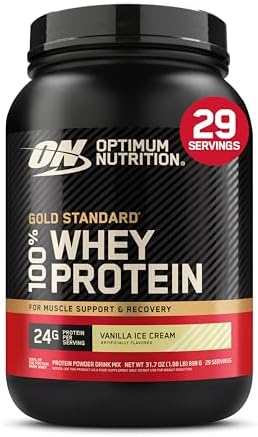
Whey protein powder
An easy way to reach your protein target on busy days. Read our protein powder guide.
Pros
- About 25 g protein per scoop
- Quick
Cons
- Not essential if you eat enough protein
- Some contain added sugar
BEST FOR MEAL PREP
Glass meal prep containers
Prepping meals with known macros makes tracking much easier.
Pros
- Microwave safe
- Reusable
Cons
- Heavier
- Can break

Keep reading
- Macro Calculator
- Protein Intake Calculator
- How much protein to lose weight
- 7-day weight loss meal plan
Frequently asked questions
What is the best macro ratio for weight loss?
There is no single best ratio. Set protein high (about 1.6 g/kg), keep fat at 25–35% and fill the rest with carbs. Your calorie total matters most.
Do I need to hit my macros exactly?
No. Aim to hit protein and calories most days. Being within 5–10 g on carbs and fat is fine.
Is counting macros better than counting calories?
Macros include calories, plus they make sure you eat enough protein, which helps you keep muscle and stay full while losing weight.
Sources
- Morton RW, et al. A systematic review, meta-analysis and meta-regression of the effect of protein supplementation on resistance training-induced gains in muscle mass and strength. Br J Sports Med. 2018.
- Gardner CD, et al. Effect of low-fat vs low-carbohydrate diet on 12-month weight loss in overweight adults (DIETFITS). JAMA. 2018.
This article is for general information only and is not medical advice. See our Medical Disclaimer.