
Weight Loss When You Work From Home: How Remote Workers Can Stay Lean
By WellnessVigor · Updated October 15, 2026 · 8 min read
This article contains affiliate links. If you buy through them, we may earn a small commission at no extra cost to you. Learn more.
Working from home sounds healthy: no commute, home-cooked food, more time. But many remote workers find the opposite. Steps drop to a few thousand a day, the fridge is ten steps away, and work and evening blur into one long sitting session.
Remote work can be great for weight loss — if you replace the movement your old routine used to give you automatically.
Quick answer
Take a “fake commute” walk before and after work, keep the kitchen closed between planned meals, take calls on your feet, set an hourly movement alarm, and set a hard finish time so you are not sitting at the laptop until late. Aim for at least 7,000 steps on workdays.
Table of Contents
ToggleWhy working from home can cause weight gain
- Lost incidental movement: no walk to the station, no walk to meetings or to lunch. On busy days, it is easy to finish with only a couple of thousand steps.
- The kitchen effect: snacking every time you take a mental break.
- No clear end to the day: work runs into the evening.
- Less structure: irregular meal times and sleep.
Everyday movement (NEAT) can vary by hundreds of calories a day between people. Lean people in one study simply stood and moved around about 2 hours more per day, worth roughly 350 calories. Working from home tends to remove exactly that kind of movement.
Habit 1: the fake commute
Walk for 15–20 minutes before you start work and again when you finish. It replaces your old commute, gets you daylight in the morning (good for your body clock and sleep), and creates a clear line between work and home.
Habit 2: close the kitchen
- Set meal times: breakfast, lunch, one afternoon snack.
- Keep snacks out of sight and out of your office area.
- Prepare lunch in the morning or the night before so it is not a mid-day decision.
- Drink water or tea when you go to the kitchen out of boredom.
Want a done-for-you plan? 35 Days to a Leaner You combines a 35-day low-carb meal plan with simple home workouts, so you know exactly what to eat and how to move each day.
Burn calories at home, rain or shine
A magnetic exercise bike is quiet enough for early mornings and small apartments. One purchase, years of workouts for the whole household.

Habit 3: move between calls
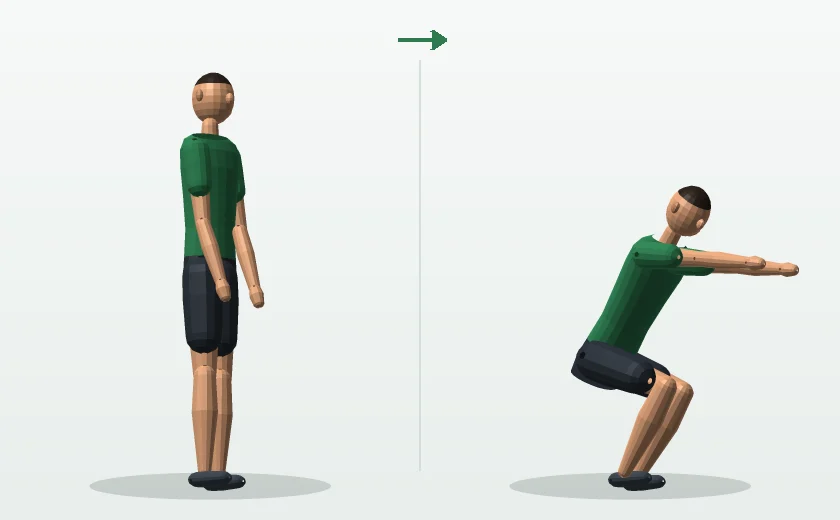
- Take audio calls standing or walking around the house or garden.
- Set an hourly reminder and do one 3-minute round: march in place, 10 squats, 10 side bends.
- Walk 10 minutes after lunch — light walking after meals lowers blood sugar spikes better than standing.
- Use the stairs in your house or building every time you have a reason to.
Habit 4: a 20-minute home workout
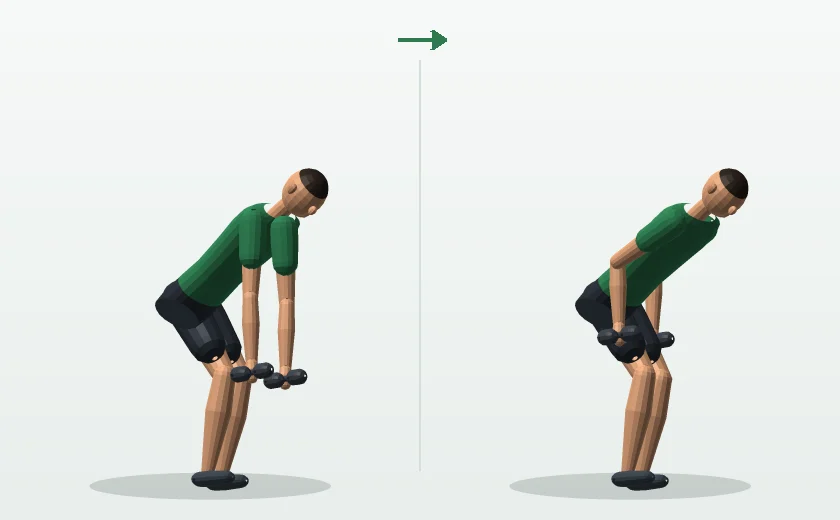
Without a commute, you have time for a short workout at lunch or after work. Three times a week:
- Dumbbell squats – 3 × 12
- Dumbbell rows – 3 × 10 per arm
- Push-ups – 3 × 8–12
- Reverse lunges – 3 × 8 per leg
- Plank – 3 × 30 seconds
See the full guide: dumbbell exercises for fat loss at home.
Set up your home office for movement
These are common, inexpensive options that some people find helpful. We have not personally tested these products. Links go to Amazon so you can check current prices and reviews.
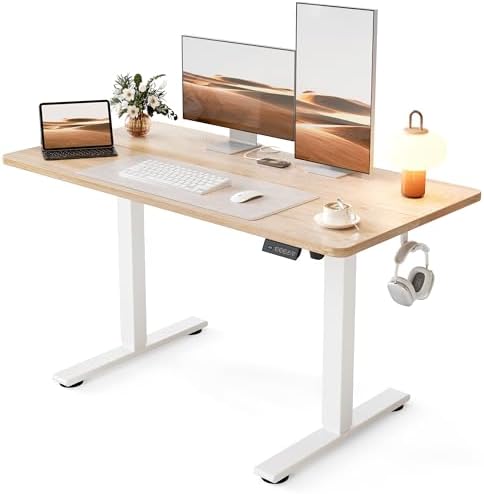
BEST HOME OFFICE UPGRADE
Electric standing desk
Makes it easy to switch between sitting and standing, and pairs with a walking pad.
Pros
- Smooth height change
- Memory presets on many models
Cons
- Expensive
- Heavy to move
BEST FOR STEPS AT HOME
Walking pad
Walk while you listen in on meetings or answer emails. See our walking pad guide.
Pros
- Compact
- Adds steps without going out
Cons
- Some noise
- Needs floor space

BEST FOR COMFORT WHILE STANDING
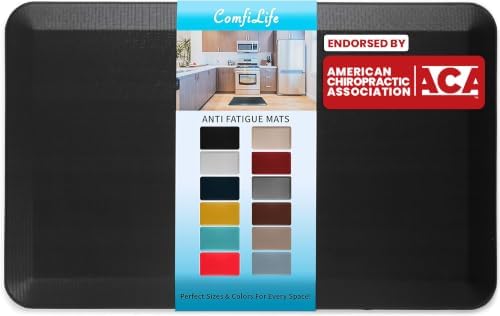
Anti-fatigue standing mat
Makes standing for calls or at a standing desk more comfortable, so you stand more often.
Pros
- Reduces foot fatigue
- Easy to clean
Cons
- Edges can curl
- Takes floor space
Habit 5: a hard finish time
Close the laptop at a set time, then do your evening walk. Working late at the kitchen table leads to late eating and late sleep. Our why am I so tired after work? and evening routine guides can help you protect your evenings.
Keep reading
Frequently asked questions
Why have I gained weight since working from home?
Most people lose a lot of everyday walking and gain easy access to snacks. Replacing the commute with walks and setting fixed meal times fixes most of the problem.
How many steps should remote workers aim for?
A good target for most adults is 7,000–10,000 steps a day. If you are far below that, add about 1,000 steps a week.
Is a walking pad worth it for working from home?
For many people, yes — it can add thousands of steps on busy days. It works best with a standing desk and slow walking during calls or reading.
Sources
- Levine JA, et al. Interindividual variation in posture allocation: possible role in human obesity. Science. 2005.
- Buffey AJ, et al. The acute effects of interrupting prolonged sitting time with standing and light-intensity walking on biomarkers of cardiometabolic health. Sports Med. 2022.
- Paluch AE, et al. Daily steps and all-cause mortality: a meta-analysis of 15 international cohorts. Lancet Public Health. 2022.
This article is for general information only and is not medical advice. See our Medical Disclaimer.