
Weight Loss for Teachers: Simple Habits for Busy School Days
By WellnessVigor · Updated October 15, 2026 · 8 min read
This article contains affiliate links. If you buy through them, we may earn a small commission at no extra cost to you. Learn more.
Teaching looks active from the outside — you are on your feet in class, walking between rooms and on duty in the hallway. But many teachers still gain weight. Lunch is ten rushed minutes, the staff room is full of cake, and evenings disappear into grading and lesson plans while sitting on the sofa.
Here is how to lose weight as a teacher without adding another job to your list.
Quick answer
Pack a protein-based lunch you can eat in 10 minutes, keep a planned afternoon snack so you do not raid the staff room, walk during part of your break or duty time, do grading standing or in 45-minute blocks with movement breaks, and use weekends and holidays to batch-cook rather than to “catch up” on eating.
Table of Contents
ToggleWhy teachers gain weight
- Rushed or skipped lunch leads to big after-school snacking.
- Staff-room food: birthdays, parent gifts, leftover event snacks.
- Evening sitting: grading, planning and emails are done seated, often for 2–3 hours.
- Stress and decision fatigue after managing a full classroom.
- Term-time vs holiday swings: routines collapse during breaks.
Standing in class does help. Standing burns slightly more than sitting — about 0.15 calories more per minute on average — but that is only around 9 extra calories an hour. Real walking and planned meals matter more.
A lunch you can eat in 10 minutes
Fast lunch does not have to be bad lunch. Build it in a container the night before:
- Protein: chicken, tuna, eggs, lentils, chickpeas, paneer or tofu.
- Fiber: salad, roasted vegetables, fruit.
- Some carbs: rice, wrap, bread or potato in a modest portion.
Food that is eaten cold (wraps, grain bowls, egg muffins) saves the microwave queue. Our healthy meal prep ideas and 7-day meal plan have ready-made options.
Handle the staff room
- Keep your own snack in your desk: nuts, yogurt, fruit, protein bar.
- Use a simple rule: treats on Friday only, or only homemade ones.
- Take one piece, then leave the room — it is easier than refusing every time.
- Drink a full glass of water during breaks; thirst often feels like hunger.
Want a done-for-you plan? 35 Days to a Leaner You combines a 35-day low-carb meal plan with simple home workouts, so you know exactly what to eat and how to move each day.
One exercise bike, and the whole family gets fitter
Skip the gym fees and the commute. A quiet magnetic bike lets everyone at home ride while watching TV, in any weather. Twenty to thirty minutes a day adds up to real calories burned.

Move more during the school day
- Walk the playground or corridors during duty instead of standing in one spot.
- Teach part of the lesson while moving around the room.
- Use the stairs and the far photocopier.
- Take a 10-minute walk outside at lunch after eating — it also clears your head for the afternoon.
- Join in with PE or active lessons where it makes sense.
Light walking after a meal lowers the blood sugar rise compared with sitting, which may help with the post-lunch slump. Read more: why you feel tired after lunch.
Grading without sitting for 3 hours
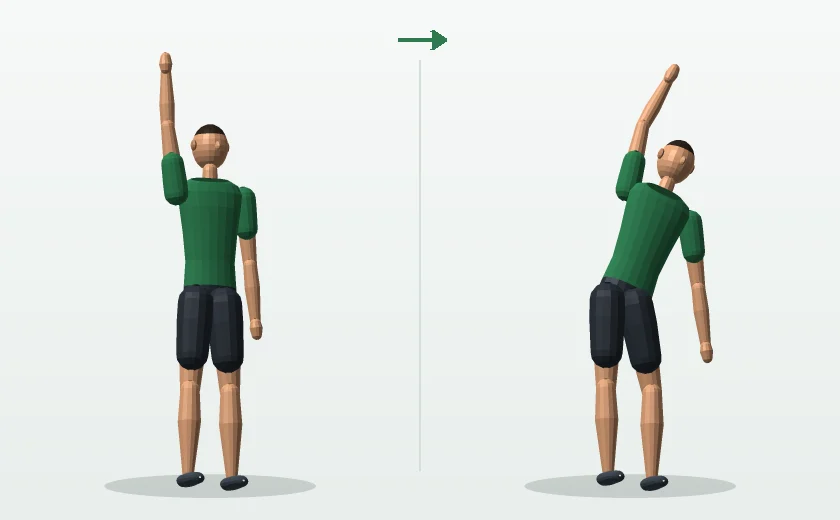
Evening grading is the biggest sitting block of a teacher’s day. Break it up:
- Work in 45-minute blocks, then take a 5-minute movement break.
- Grade at a kitchen counter or standing desk for part of the time.
- Do a quick round of squats, marching and side bends between class sets.
Strength work for teachers (20 minutes, 3 times a week)
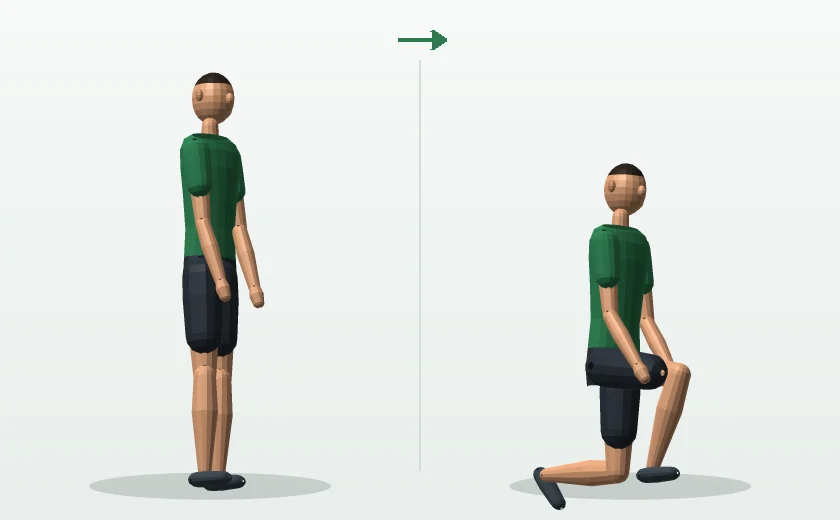
Strength training protects muscle and helps you feel less worn out by long days on your feet. A simple home routine:
- Squats – 3 × 12
- Reverse lunges – 3 × 8 per leg
- Dumbbell rows – 3 × 10 per arm
- Dumbbell shoulder press – 3 × 10
- Side crunch or plank – 3 × 30 seconds
Full guide: dumbbell exercises for fat loss at home.
Useful gear for a teacher’s day
These are common, inexpensive options that some people find helpful. We have not personally tested these products. Links go to Amazon so you can check current prices and reviews.
BEST FOR PACKED LUNCHES
Glass meal prep containers
Microwave-safe containers make it easy to bring a balanced lunch every day. See our meal prep container guide.
Pros
- Reheat in the same box
- No plastic smell
Cons
- Heavier to carry
- Can break if dropped

BEST FOR LONG DAYS ON YOUR FEET
Compression socks
Many teachers who stand for hours find compression socks make their legs feel less tired by the end of the day.
Pros
- Comfortable under trousers
- Inexpensive
Cons
- Can feel tight at first
- Sizing matters

BEST FOR QUICK HOME WORKOUTS
Adjustable dumbbells
One compact pair replaces a full rack, so you can do a 20-minute strength session at home after school.
Pros
- Saves space
- Many weight options
Cons
- Higher upfront cost
- Slower to change than fixed weights

Use school holidays wisely
Holidays are when many teachers either gain weight or finally find time to change habits. Use them to:
- Build the walking habit (it carries into term).
- Batch-cook and freeze lunches for the first two weeks back.
- Reset sleep rather than staying up late every night.
Keep reading
- Healthy meal prep ideas for weight loss
- Why am I so tired after work?
- How to lose weight without exercise
- Weight loss without counting calories
Frequently asked questions
Do teachers burn a lot of calories standing in class?
Not as many as people think. Standing burns only slightly more than sitting. Walking, strength training and food choices make a much bigger difference.
What is a good quick lunch for teachers trying to lose weight?
A container with lean protein, vegetables or salad and a small portion of carbs, such as a chicken and rice bowl or a tuna wrap with salad.
How do I stop snacking after school?
Eat a proper lunch with protein, plan an afternoon snack, and drink water before you head home. Arriving home starving is the main trigger.
Sources
- Saeidifard F, et al. Differences of energy expenditure while sitting versus standing: a systematic review and meta-analysis. Eur J Prev Cardiol. 2018.
- Buffey AJ, et al. The acute effects of interrupting prolonged sitting time with standing and light-intensity walking on biomarkers of cardiometabolic health. Sports Med. 2022.
- Dunstan DW, et al. Breaking up prolonged sitting reduces postprandial glucose and insulin responses. Diabetes Care. 2012.
This article is for general information only and is not medical advice. See our Medical Disclaimer.