
Why Do I Feel Sleepy While Studying? 9 Causes and How to Stay Alert
By WellnessVigor · Updated October 15, 2026 · 7 min read
This article contains affiliate links. If you buy through them, we may earn a small commission at no extra cost to you. Learn more.
You sit down to study, open your notes and within 15 minutes your eyelids are drooping. It’s one of the most common complaints from students, and it isn’t just because the material is boring.
Here are the real reasons you get sleepy while studying and practical ways to stay alert.
Quick answer
Feeling sleepy while studying usually comes from sleep debt, studying during the natural afternoon dip, studying in bed or a dim, warm room, passive reading, heavy meals and long sessions without breaks. About half of college students report daytime sleepiness, according to a review. Sleep 7–9 hours on a consistent schedule, study at a desk in bright light, use active study techniques, take short movement breaks and schedule hard topics for your most alert hours.
Table of Contents
ToggleWhy you get sleepy while studying
- Sleep debt: about 70% of college students get insufficient sleep. Studying is quiet and still, so hidden sleepiness surfaces.
- The post-lunch dip: a natural rise in sleepiness in the early-to-mid afternoon. See why you feel tired after lunch.
- Studying in bed: your brain links bed with sleep.
- Dim, warm rooms: low light and warmth signal rest.
- Passive reading: re-reading without engagement lets attention drift.
- Heavy meals: large, carb-heavy meals deepen the slump.
- Long sessions without breaks.
- Late caffeine that hurt last night’s sleep.
- Irregular sleep schedule: shifts your body clock later. See social jetlag.
10 ways to stay alert while studying
- Sleep 7–9 hours with a consistent wake time.
- Study at a desk, not in bed.
- Use bright light, ideally daylight, during the day.
- Keep the room slightly cool.
- Use active techniques: practice questions, flashcards, teaching aloud.
- Work in 25–50 minute blocks with 5–10 minute movement breaks.
- Eat lighter, balanced meals and keep water nearby.
- Schedule hard topics for your most alert time of day.
- Take a 10–20 minute nap before 3 pm if needed.
- Use caffeine strategically, earlier in the day only.
Does sleep affect grades?
Yes. In a study of college students wearing sleep trackers, better quality, longer and more consistent sleep across the semester correlated with better grades. See can poor sleep affect exam performance?
Want a simple, step-by-step plan to sleep better? The 14-Day Sleep Reset guide walks you through fixing your schedule, evening routine and bedroom, one day at a time.
Wind down after a stressful day
Ashwagandha (KSM-66) is one of the most popular supplements for stress. In small studies it modestly lowered stress and improved sleep quality for some people.
Good to know: Not suitable in pregnancy or with thyroid or autoimmune conditions. Rare liver problems have been reported. Check with your doctor if you take medicines.

When to see a doctor
If you’re very sleepy despite 8+ hours of sleep, fall asleep in class or while driving, or snore loudly, talk to a doctor. Conditions like sleep apnea, narcolepsy, anemia or depression can cause excessive sleepiness.
Products that help you study alert
These are common, inexpensive options that some people find helpful. We have not personally tested these products. Links go to Amazon search results so you can compare current options and prices.
BEST FOR BRIGHT STUDY LIGHT
LED Desk Lamp with Adjustable Color
Bright, cool light for daytime study and warm light for evenings.
Pros
- Adjustable brightness
- Color temperature control
- Focus-friendly
Cons
- Switch to warm at night
- Cost

BEST FOR FOCUS BLOCKS
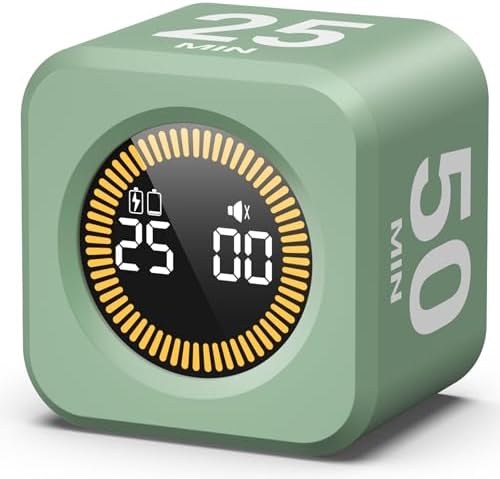
Pomodoro Study Timer
A visual timer makes study blocks and breaks easy to follow without your phone.
Pros
- Phone-free focus
- Simple
- Cheap
Cons
- Basic features
- Ticking on some models
BEST FOR ACTIVE RECALL
Index Flashcards
Active recall keeps your brain engaged and awake.
Pros
- Cheap
- Effective study method
- Portable
Cons
- Time to make
- Paper waste

BEST FOR ALERTNESS
Desk Light Therapy Lamp
Bright light may boost alertness in dim study spaces during the day.
Pros
- Bright light
- Compact
- Adjustable
Cons
- Avoid in the evening
- Sit fairly close

Keep reading
Frequently asked questions
Why do I get sleepy when I read?
Reading is still and quiet, which reveals hidden sleepiness. Active techniques and breaks help.
Is it bad to study in bed?
It can make you sleepy and weaken the link between bed and sleep at night. Use a desk.
What is the best time to study?
For most people, late morning and early evening are more alert than the early-afternoon dip, but it depends on your chronotype.
Should I drink coffee to study?
A moderate amount earlier in the day can help, but avoid it late, as it can harm sleep and memory consolidation.
How long should study sessions be?
Many students focus best in 25–50 minute blocks with short breaks.
Sources
- Hershner SD, Chervin RD. Causes and consequences of sleepiness among college students. Nat Sci Sleep. 2014.
- Monk TH. The post-lunch dip in performance. Clin Sports Med. 2005.
- Okano K, et al. Sleep quality, duration, and consistency are associated with better academic performance in college students. NPJ Sci Learn. 2019.
This article is for general information only and is not medical advice. See our Medical Disclaimer.