
Why Do I Wake Up With a Headache? 9 Common Causes and Fixes
By WellnessVigor · Updated October 14, 2026 · 8 min read
This article contains affiliate links. If you buy through them, we may earn a small commission at no extra cost to you. Learn more.
Waking up with a headache is a rough way to start the day, and when it happens often, it’s worth paying attention. Morning headaches are frequently connected to how you slept, from snoring and teeth grinding to your sleep schedule, drinks and pillow.
Below are the most common causes, how to tell them apart and what you can do. This article is general information, so see a doctor for frequent or severe headaches.
Quick answer
Common causes of waking up with a headache include sleep apnea, teeth grinding, too little or irregular sleep, oversleeping, alcohol, caffeine withdrawal, dehydration, poor neck position and overuse of pain medication. Headache experts consider frequent morning or awakening headaches a soft sign of a possible sleep disorder. In one study, a third of people with sleep apnea had morning headaches, and they resolved in 90% of those treated with CPAP.
Table of Contents
ToggleMorning headaches and sleep are closely linked
A review by headache specialists notes that chronic daily, morning or awakening headaches are soft signs of a sleep disorder, and that sleep disturbances such as sleep loss, oversleeping and schedule shifts are common triggers for migraine and tension-type headaches. Snoring and poor sleep are also linked with headaches becoming more frequent over time.
1. Sleep apnea
Obstructive sleep apnea causes repeated pauses in breathing at night. In a study of 563 people, morning headache was reported by 33.6% of those with sleep apnea compared with 8.9% of people without it, and the headaches went away in 90% of patients treated with CPAP. Clues include loud snoring, gasping or choking at night, a dry mouth and daytime sleepiness. Losing weight can help some people: see will losing weight stop snoring and sleep apnea?
2. Teeth grinding (bruxism)
Clenching or grinding your teeth at night strains the jaw and temple muscles, often causing a dull headache around the temples, sore jaw or worn teeth. A dentist can confirm it and may recommend a night guard.
Poor sleep and headaches often go together. The 14-Day Sleep Reset guide helps you build a steady, restful sleep routine step by step.
Wind down after a stressful day
Ashwagandha (KSM-66) is one of the most popular supplements for stress. In small studies it modestly lowered stress and improved sleep quality for some people.
Good to know: Not suitable in pregnancy or with thyroid or autoimmune conditions. Rare liver problems have been reported. Check with your doctor if you take medicines.

3. Too little sleep or an irregular schedule
Short sleep and big changes in sleep timing, such as weekend lie-ins, are common headache triggers. Keeping a regular schedule helps. See what social jetlag is and whether 6 hours of sleep is enough.
4. Oversleeping
Sleeping much longer than usual can also trigger headaches, possibly through changes in sleep timing, caffeine timing and blood sugar. Read does oversleeping cause weight gain?
5. Alcohol
Alcohol may help you fall asleep, but it disrupts sleep in the second half of the night and reduces REM sleep. It also dehydrates you, a classic recipe for a morning headache.
6. Caffeine withdrawal
If you drink a lot of coffee during the day, the long gap overnight can cause a withdrawal headache that eases after your first cup. Gradually cutting back, or keeping intake moderate and consistent, helps.
7. Dehydration and late heavy meals
Not drinking enough during the day, sweating at night or eating a salty, heavy dinner can leave you dehydrated by morning. Drink water through the day and try to finish dinner 2–3 hours before bed. See is it bad to sleep right after eating?
8. Pillow and sleep position
A pillow that is too high, too flat or worn out can strain your neck and cause a tension-type headache. Aim to keep your head and neck in line with your spine.
9. Medication overuse and other conditions
Taking pain relievers for headaches on many days a month can cause rebound headaches. Migraine, high blood pressure, depression and some medications can also cause morning headaches.
When to see a doctor
- Headaches most mornings, or getting worse.
- Loud snoring, gasping or breathing pauses noticed by a partner.
- A sudden, severe headache, or a headache with fever, stiff neck, confusion, weakness, vision changes or after a head injury. These need urgent care.
- Headaches that wake you from sleep.
Products that may help
Depending on the cause, these common items may help. We have not personally tested these products. They are not a substitute for medical advice. Links go to Amazon search results so you can compare options and prices.
BEST FOR TEETH GRINDING
Moldable Night Guard
A boil-and-bite night guard protects your teeth from grinding. If you grind often, ask a dentist about a custom guard.
Pros
- Inexpensive
- Protects teeth from wear
- Easy to fit at home
Cons
- Less comfortable than custom guards
- Doesn’t treat the cause of grinding

BEST FOR NECK-RELATED HEADACHES
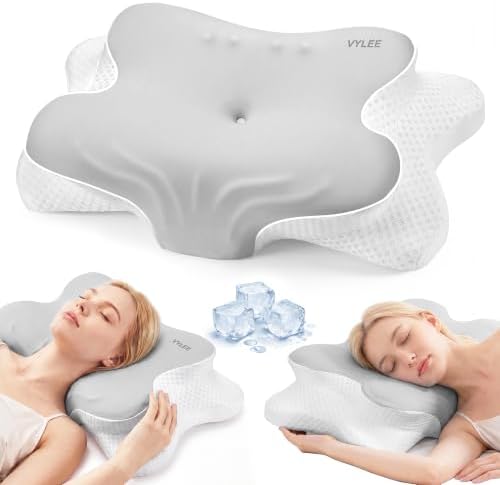
Cervical Memory Foam Pillow
A contoured pillow helps keep the neck aligned, which may reduce tension-type headaches linked to sleep position. Also see our best pillows guide.
Pros
- Supports neck curve
- Good for back and side sleepers
- Many height options
Cons
- Takes time to get used to
- Not ideal for stomach sleepers
BEST FOR DRY AIR
Cool-Mist Humidifier
Very dry bedroom air can leave you with a dry mouth and congestion. A humidifier may make breathing more comfortable at night.
Pros
- Adds moisture to dry air
- Quiet models available
- Useful in winter
Cons
- Needs regular cleaning to prevent mold
- Too much humidity can encourage dust mites

BEST FOR STAYING HYDRATED
Bedside Water Carafe
Keeping water by the bed makes it easy to sip in the evening and first thing in the morning.
Pros
- Simple habit reminder
- Cheap
- Covered designs keep water clean
Cons
- Drinking a lot right before bed can mean bathroom trips
- Glass can break

Keep reading
Frequently asked questions
Can sleeping too much cause a headache?
Yes. Oversleeping and big changes in sleep timing are common triggers for migraine and tension-type headaches.
Is a morning headache a sign of sleep apnea?
It can be. Morning headaches are much more common in people with sleep apnea, especially with loud snoring, gasping and daytime sleepiness. A sleep study can confirm it.
How do I stop waking up with a headache?
Keep a regular sleep schedule, limit alcohol and late caffeine, stay hydrated, use a supportive pillow and get checked for sleep apnea or teeth grinding if the headaches continue.
Can stress cause morning headaches?
Yes. Stress can increase teeth clenching and muscle tension and disrupt sleep. See how to lower cortisol naturally.
Can a bad pillow cause headaches?
A pillow that puts your neck in an awkward position can contribute to tension-type headaches and neck pain.
Sources
This article is for general information only and is not medical advice. See our Medical Disclaimer.