
Best Time to Go to Bed for Your Health: What Research Says About Sleep Timing
By WellnessVigor · Updated October 14, 2026 · 8 min read
This article contains affiliate links. If you buy through them, we may earn a small commission at no extra cost to you. Learn more.
Most sleep advice focuses on how many hours you get. But researchers are paying more and more attention to when you sleep, and whether you go to bed at roughly the same time each night.
This guide explains what large studies have found about bedtime and health, why your body clock cares about timing, and how to work out the best bedtime for your own schedule.
Quick answer
For most adults, a bedtime somewhere between about 10 and 11 pm, kept consistent every night, fits the body clock best. In a UK study of over 100,000 people, falling asleep between 10:00 and 10:59 pm was linked to the lowest risk of heart disease. Another large study found that a regular sleep schedule predicted lower mortality risk even better than sleep length. Aim for 7 or more hours and keep your bedtime and wake time within about an hour every day.
Table of Contents
ToggleIs there really a best time to go to bed?
There is no single perfect minute that suits everyone, but research points to a sweet spot. A UK Biobank study tracked sleep with wrist accelerometers in 103,712 adults for a week, then followed them for about 5.7 years. People who fell asleep between 10:00 and 10:59 pm had the lowest rate of cardiovascular disease. Compared with them, risk was about 25% higher for those falling asleep at midnight or later, 12% higher for 11:00–11:59 pm, and, perhaps surprisingly, 24% higher for those falling asleep before 10 pm. The link held after accounting for sleep duration, sleep irregularity and other heart risk factors.
This is an observational study, so it shows an association rather than proof that changing your bedtime will prevent heart disease. Still, it fits with what we know about the body clock: very late bedtimes push sleep away from your natural biological night.
Why sleep timing matters: your body clock
Your body runs on a roughly 24-hour circadian rhythm, set mainly by light. In the evening your brain starts releasing melatonin, body temperature drops and you become sleepy. Hormones, blood sugar control and digestion all follow this daily rhythm.
Modern life tends to shift that clock later. In a well-known camping study, people who spent a week with only natural light (no electric lighting) found their internal clocks shifted so that their biological night began around sunset and ended just after sunrise. Late chronotypes (night owls) shifted the most. In other words, bright evening light and dim indoor days push many of us toward later bedtimes than our bodies would otherwise choose.
When you sleep at a time that fights your body clock, the effects can show up in your metabolism too. Read more in our guide to how an irregular sleep schedule affects weight.
Consistency may matter more than the exact time
A 2024 study of 60,977 UK Biobank participants measured how regular each person’s sleep was from day to day. People with the most regular sleep patterns had a 20–48% lower risk of death from any cause over about 6 years than those with the least regular patterns, and the researchers found that sleep regularity predicted mortality better than sleep duration did.
Another study in US adults found that every extra hour of night-to-night variation in bedtime was linked to higher odds of metabolic syndrome. So if you can only change one thing, start by making your bedtime and wake time the same every day, weekends included.
Ashwagandha gummies with L-theanine
A sugar-free gummy that combines ashwagandha with L-theanine, two ingredients people often use to relax in the evening.
Good to know: Not suitable in pregnancy or with thyroid or autoimmune conditions.

How much sleep do you need?
The American Academy of Sleep Medicine and Sleep Research Society recommend that adults sleep 7 or more hours per night on a regular basis. Use that to work backward from your wake time:
- Wake at 5:30 am → aim to be asleep by about 10:00–10:30 pm
- Wake at 6:30 am → asleep by about 11:00–11:30 pm
- Wake at 7:00 am → asleep by about 11:30 pm–midnight
Remember that falling asleep takes time, so get into bed 15–20 minutes earlier than your target sleep time. If you regularly need more than 9 hours or still wake exhausted, read why you wake up tired after 8 hours of sleep.
How to find your best bedtime
- Fix your wake time first. Pick a time you can keep 7 days a week. Your wake time anchors your body clock more reliably than your bedtime.
- Count back 7.5–8 hours. That gives you a target bedtime with room to fall asleep.
- Watch for natural sleepiness. Go to bed when you feel sleepy near that target, not hours earlier.
- Get morning light. 10–30 minutes of daylight soon after waking helps move your clock earlier.
- Dim the evening. Lower lights and screens 1–2 hours before bed.
- Shift gradually. If your current bedtime is very late, move it 15–30 minutes earlier every few days. Our 7-day sleep schedule reset shows how.
Want a step-by-step plan to fix your bedtime and sleep better? The 14-Day Sleep Reset guide walks you through resetting your sleep schedule, evening routine and bedroom, one day at a time.
Night owl? What to do if 10 pm feels impossible
Some people are genuinely later chronotypes, and forcing a 10 pm bedtime can lead to lying awake. Rather than chasing a specific clock time, focus on three things: enough total sleep (7+ hours), a consistent schedule, and morning light to gently pull your rhythm earlier. If your work schedule allows a later wake time, a consistent 11:30 pm to 7:30 am schedule is likely better than a 10 pm bedtime you keep only on weeknights. If you work nights, see our sleep schedules for night shift workers.
Products that can help you keep a regular bedtime
Habits matter most, but a few tools make a consistent schedule easier. We have not personally tested these products. The links go to Amazon search results so you can compare current options and prices.
BEST FOR GENTLE, CONSISTENT WAKE-UPS
Sunrise Alarm Clock
A sunrise alarm gradually brightens before your alarm time, which can make waking at the same time each morning feel easier, especially in dark winter months.
Pros
- Gentle light-based wake-up
- Many include a dimming sunset mode for bedtime
- Helps reinforce a fixed wake time
Cons
- Light is weaker than real daylight
- Quality varies a lot between brands

BEST FOR TRACKING YOUR SCHEDULE
Sleep Tracker Watch or Ring
Tracking your actual sleep and wake times for a couple of weeks shows how regular your schedule really is, which is often less regular than people think.
Pros
- Shows bedtime and wake-time patterns
- Useful for spotting weekend drift
- Many also track steps
Cons
- Sleep stage data are estimates
- Can increase sleep anxiety in some people

BEST FOR A DARK BEDROOM
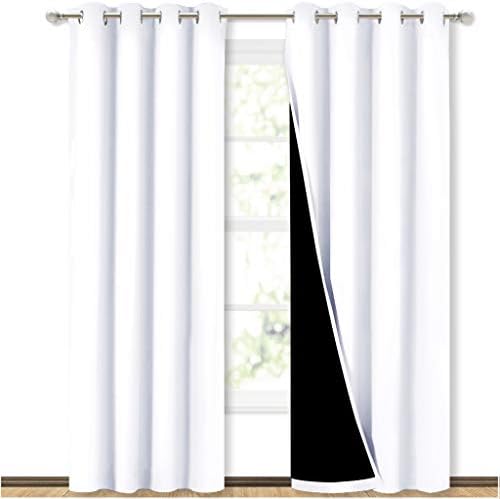
Blackout Curtains
Blocking street light and early sunrise helps protect your sleep, especially if you go to bed early or sleep in summer. See our blackout curtain and sleep mask guide.
Pros
- Blocks outside light
- Can reduce noise and drafts
- Long-lasting
Cons
- Need the right size and installation
- Can make waking harder without a light-based alarm
BEST FOR DIM EVENING LIGHT
Warm Dimmable Bedside Lamp
A warm, dimmable lamp lets you keep lighting low in the last hour before bed instead of using bright overhead lights.
Pros
- Low, warm light in the evening
- Inexpensive
- Easy habit change
Cons
- Choose warm (amber) light, not bright white
- Doesn’t replace limiting screens
Keep reading
Frequently asked questions
Is 10 pm the best time to sleep?
For many adults, falling asleep between about 10 and 11 pm fits the body clock well, and one large study linked this window to the lowest heart disease risk. But total sleep and a consistent schedule matter more than hitting an exact time.
Is it bad to sleep at 12 am?
Not if you consistently get 7 or more hours and wake at a regular time. In the UK study, falling asleep at midnight or later was linked to higher heart disease risk, but that may partly reflect shorter or irregular sleep in late sleepers.
Is going to bed before 10 pm bad?
Not necessarily. The UK study found slightly higher risk in people who fell asleep before 10 pm, but the reason is unclear and early bedtimes can be perfectly healthy if you wake rested at a regular time.
Does sleeping late but getting 8 hours count?
Getting enough sleep is the priority. Late but consistent sleep is better than short or irregular sleep. However, very late bedtimes often mean less morning light and more mismatch with work or school times, which can shift your rhythm further.
How long does it take to change my bedtime?
Most people can shift their schedule by about 15–30 minutes every few days. Moving several hours earlier usually takes one to two weeks of consistent wake times and morning light.
Sources
- Nikbakhtian S, et al. Accelerometer-derived sleep onset timing and cardiovascular disease incidence: a UK Biobank cohort study. Eur Heart J Digit Health. 2021.
- Windred DP, et al. Sleep regularity is a stronger predictor of mortality risk than sleep duration: a prospective cohort study. Sleep. 2024.
- Huang T, Redline S. Cross-sectional and prospective associations of actigraphy-assessed sleep regularity with metabolic abnormalities: the Multi-Ethnic Study of Atherosclerosis. Diabetes Care. 2019.
- Wright KP Jr, et al. Entrainment of the human circadian clock to the natural light-dark cycle. Curr Biol. 2013.
- Watson NF, et al. Recommended amount of sleep for a healthy adult: a joint consensus statement of the AASM and SRS. Sleep. 2015.
This article is for general information only and is not medical advice. See our Medical Disclaimer..